
- The “Triage” Reality: Your claim isn’t assigned instantly. It goes into a digital hopper. If you hear nothing for a few days, it often just means the “matching algorithm” is still finding an available adjuster.
- The “Undisputed” Check Myth: Cashing the first check does NOT mean you agree the claim is over. It is just the starting operational fund. I see homeowners delay repairs for weeks because they fear this check.
- Two Adjusters, One File: You will likely talk to a “Field” person (camera) and a “Desk” person (wallet). Don’t negotiate with the camera; they can’t pay you.
- The Real Claim Starts Later: The “Supplement” phase is where the accurate numbers happen. The first estimate is often incomplete due to visibility limits.
The Panic of the “Dead Air”
I cannot tell you how many times a client has called me 24 hours after filing a claim, voice trembling, asking: “Rowan, nobody has called me back. Did I file it wrong? Are they denying me?”
In claims operations, we call this the “Intake Lag,” and it is one of the most jarring experiences for a policyholder. You have just experienced a disaster – a fire, a flood, or a tree crushing your roof. Your adrenaline is pumping, and you naturally expect a SWAT team of adjusters to descend on your lawn within the hour. However, instead of immediate action, you are often met with silence.
I am writing this guide to walk you through what happens after you file an insurance claim from the inside of the system. When you understand the clunky, bureaucratic machinery that is turning in the background, you stop panicking and start managing the timeline. Here is the operational reality of the next 30 days.
Days 1-3: The “Triage Queue” (Why No One Called)
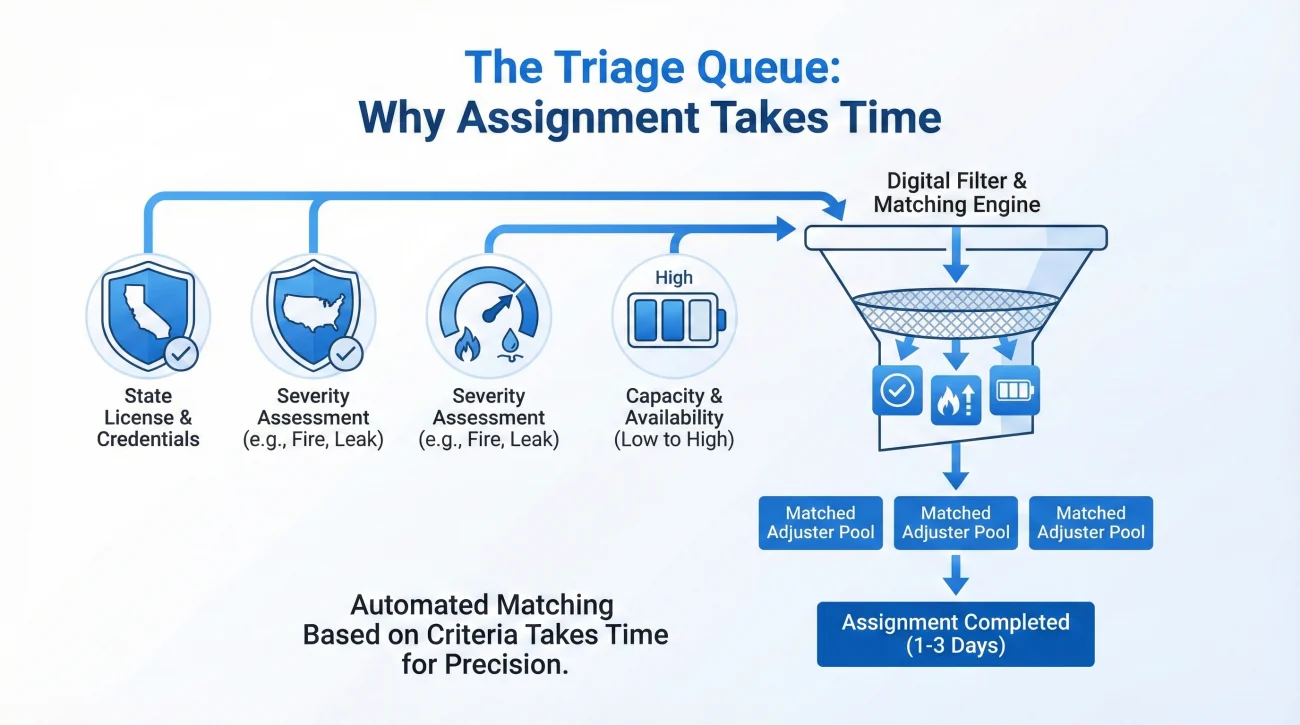
When you hang up the phone with the intake center, your file doesn’t go straight to a human’s desk. It usually goes into a digital bucket, similar to a triage nurse’s list at an ER.
In my experience with large carriers, an algorithm or a dispatch manager looks at your file. They have to match three specific criteria before a human ever calls you:
- License: They must find an adjuster licensed in your specific state.
- Severity: They need to match the complexity. A “General Adjuster” handles a large fire, while a “Rapid Response” adjuster handles a small leak.
- Capacity: They need someone who isn’t already drowning in a high volume of open files.
Field Note: During high-volume seasons (like freeze events or hurricane season), I have seen claims sit in this “Pending Assignment” status for several days. It is frustrating, but it is not a denial. It is just traffic. The carrier isn’t ignoring you; they are trying to avoid assigning your complex file to someone who has no time to work it.
Script: The Assignment Check (Call 1)
“Hello, I filed claim #[Number] three days ago. I haven’t heard from an adjuster yet. Can you confirm if my file is still in the ‘Pending Assignment’ queue, or if a specific desk adjuster has been named? If it is pending, what is the expected assignment timeframe?”
Days 4-9: The Field vs. Desk Confusion
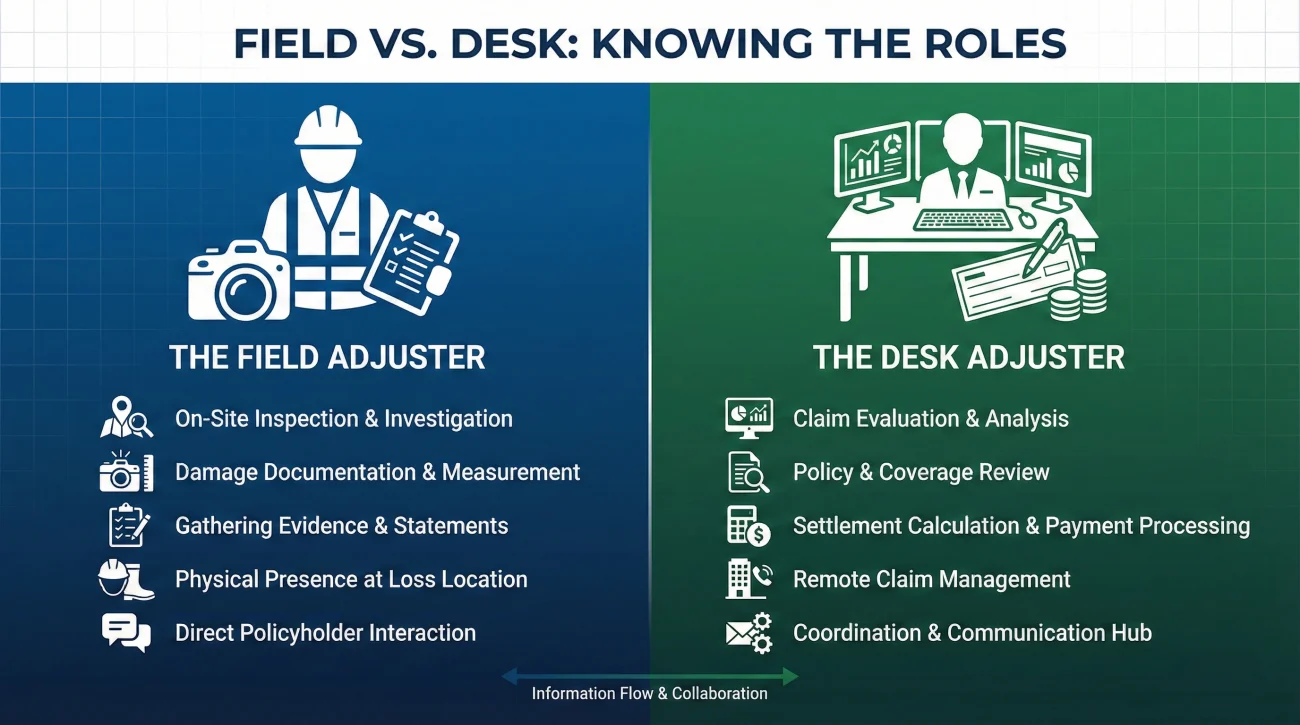
This is the single biggest source of friction I see in the first week. A person comes to your house. They inspect the damage. You spend an hour showing them everything. You ask, “So, is this covered?”
They say, “I’m not sure, I just take photos.”
You feel blown off, but operationally, this is standard procedure. You are dealing with a split model:
Often a third-party contractor. Their job is to capture data (photos, measurements) and upload it to the cloud. They have zero authority to write a check or make a coverage decision.
Sitting in an office 500 miles away. They read the Field Adjuster’s report and your policy. They are the only person who can approve payment.
Script: Confirming the Inspection (Call 2)
“Hi [Field Adjuster Name], just confirming our appointment for Tuesday at 10 AM. I will have my contractor present to walk through the damage with you. Will you be the person writing the estimate, or are you capturing data for the desk adjuster?”
Days 10-14: The Document Sprint
After the field adjuster leaves, there is often another lull while they upload their report. This is NOT downtime for you. This is usually when the desk adjuster sends their first request for information.
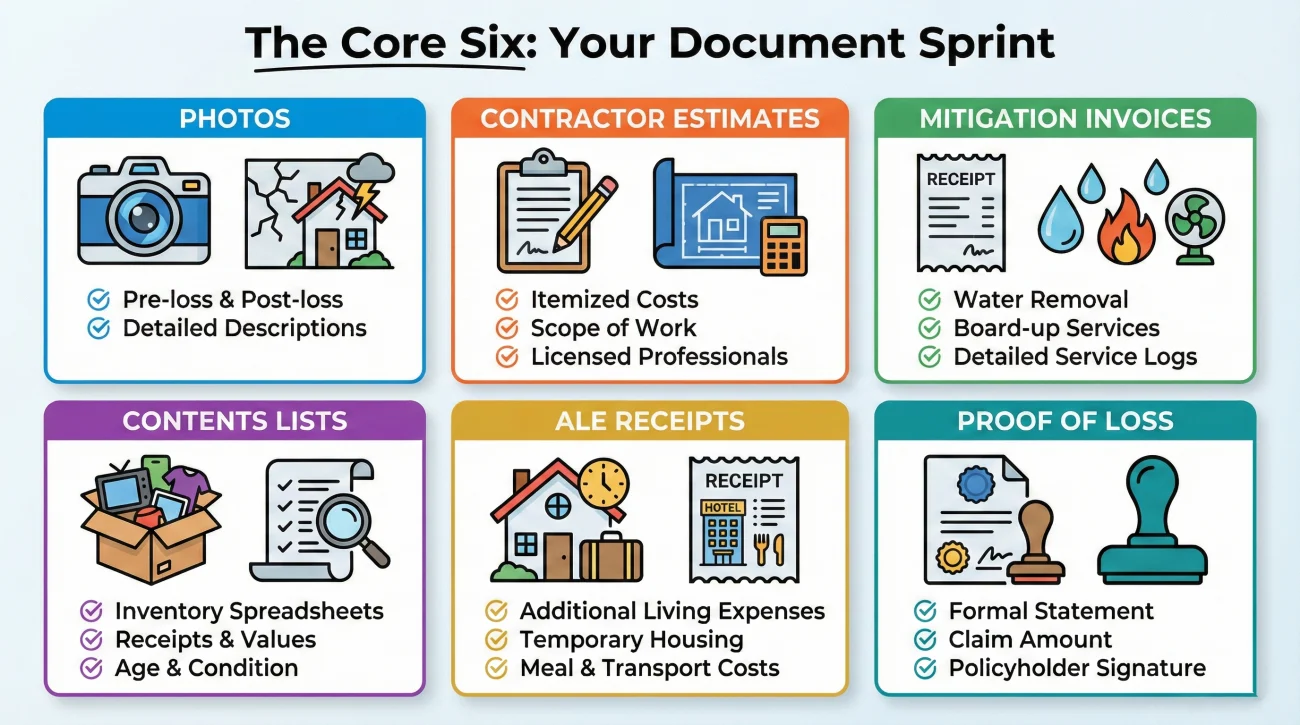
If you wait for them to ask, you lose time. I recommend proactively preparing the “Core Six” documents that are requested in almost every claim:
- 📄 Photos: Your own “before” and “after” photos (don’t rely just on theirs).
- 📄 Contractor Estimate: Even a preliminary scope of work helps.
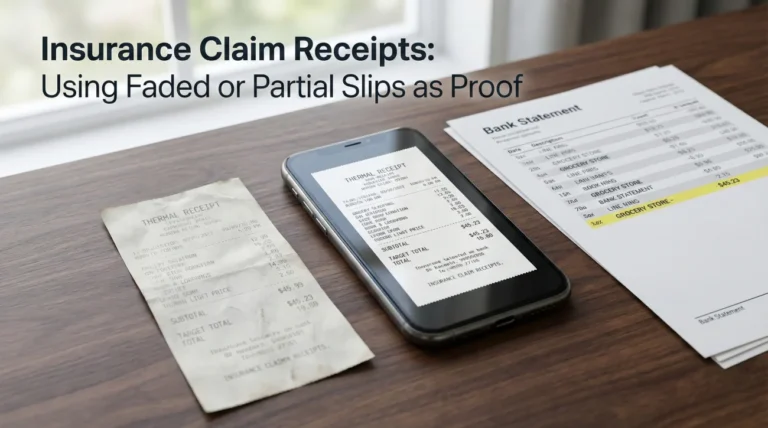
- 📄 Mitigation Invoices: Receipts from the water dry-out company or emergency plumber.
- 📄 Contents List: A spreadsheet of damaged personal property.
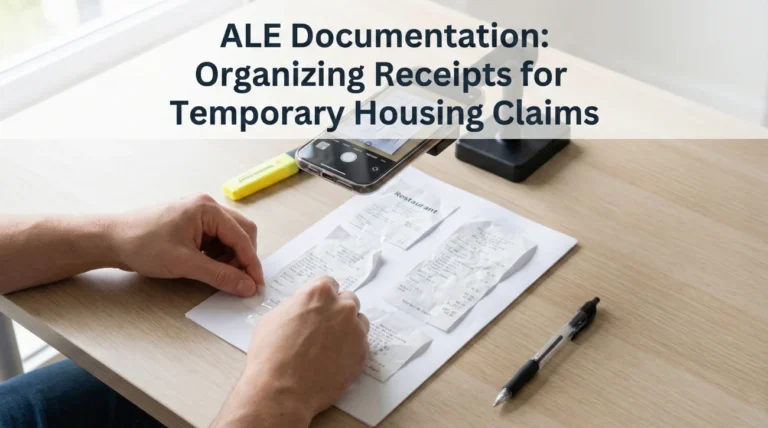
- 📄 ALE Receipts: Hotel or meal receipts if you are displaced.
- 📄 Proof of Loss: (If specifically requested) A formal sworn statement of the amount.
Days 15-30: The “Check Scare” and Mortgage Hold
I once worked with a homeowner named David. He had $40,000 in kitchen damage. The insurance company sent him a check for $12,000. David was furious. He shoved the check in a drawer and refused to cash it, thinking, “If I cash this, I accept their lowball offer.”
He delayed his own repairs for three months because he didn’t understand the concept of Undisputed Payment.
In the vast majority of claims, that first check is not a settlement offer. It is simply the carrier saying: “We know for a fact you have at least $12,000 in damage. Here is that money so you can start. We can argue about the rest later.”
Script: Clarifying the Check (Call 3)
“I received a check for $12,000. The letter does not state ‘Full and Final Settlement.’ Can you confirm via email that cashing this check does not waive my right to file for supplemental damage later?”
The Hidden Hurdle: Your Mortgage Company
If you have a mortgage, the check will likely be made out to “You AND Your Mortgage Lender.” You cannot just deposit this. You have to send it to the mortgage company, who will put it in a restricted escrow account.
The Typical Draw Schedule:
- Initial Release: They might give you 30% to start materials.
- Mid-Point Inspection: They send an inspector to verify walls are up before releasing the next 30%.
- Final Release: They hold the rest until the work is 100% complete.
⚠️ Warning: This process can take weeks. Do not assume you will have cash in hand the day the check arrives. Plan your contractor payments accordingly.
Month 2+: The “Real” Claim Begins (The Supplement)
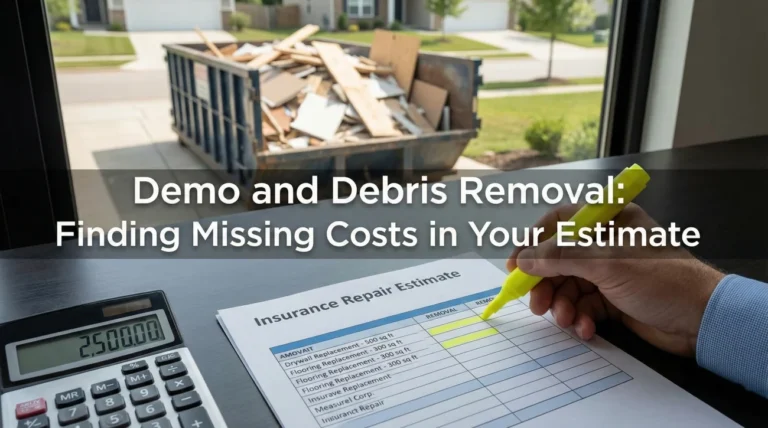
Here is the secret: The first estimate is often incomplete due to visibility limits. The adjuster cannot see behind your walls or under your floors, and they use standardized pricing software (like Xactimate) that often lags behind real-world contractor rates.
The system is designed this way. It expects you to file a Supplement.
The Supplement Flow:
Initial Estimate (Draft 1) → Contractor Scope (Reality) → Photo Evidence → Supplement Request → Revised Payment
Common Supplement Triggers:
| Category | Example Trigger |
|---|---|
| Hidden Damage | Rotten subfloor found after tile removal. |
| Code Upgrades | City inspector requires updated electrical wiring. |
| Material Mismatch | Insurer priced generic vinyl; you have custom plank. |
| Labor Rates | Standard rates don’t match local market reality. |
What Actually Kills Your Timeline?
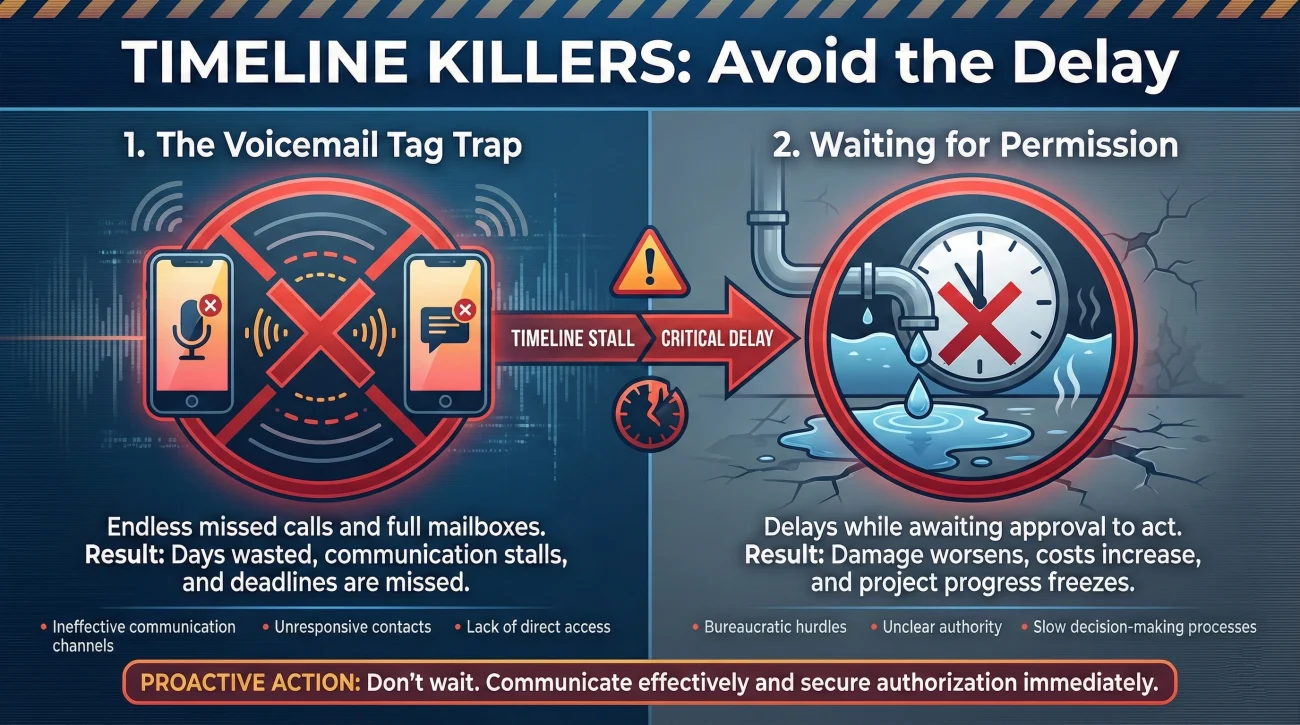
In my review of stalled files, the delay is rarely “evil corporate strategy.” It is usually boring administrative failure on both sides.
1. The Voicemail Tag Trap
Adjusters work 8-5. You work 8-5. Phone tag can kill 2 weeks of progress. Establish email as the primary channel immediately. It creates a paper trail and eliminates phone tag.
2. The “Waiting for Permission” Error
You have water on the floor. You wait 4 days for an adjuster to tell you to clean it up. By then, mold has grown. Now the adjuster denies the mold because you “failed to mitigate.” You have a contractual duty to stop the damage. Dry the floor. Board the window. Keep the receipts.
Final Words: Managing Your Energy
A property claim is a marathon, not a sprint. If you sprint in the first week, you will burn out before the important negotiation phase in Month 2.
Trust the process, but verify every step. Watch the “Assignment” phase. Verify the “Field vs. Desk” roles. Cash the “Undisputed” check. And get ready for the “Supplement.” That is how the game is actually played.
❓ FAQ: The “What Now” Questions
⏳ What does “Pending Assignment” actually mean?
It means your claim is in the central dispatch queue and has not yet been assigned to a specific human desk adjuster. Until this status changes, there is no one working on your file.
💸 Can I spend the insurance money on something else?
If you own the house outright? Usually yes. If you have a mortgage? No. The mortgage company is likely on the check, and they will release funds only as repairs are verified. Also, if you don’t repair the damage, you can’t claim “Recoverable Depreciation” later.
👷 Do I have to use the insurance company’s “Preferred Vendor”?
You generally have the right to choose your own contractor. Preferred vendors can be convenient (easier paperwork), but they work for the insurance company, not you. I always recommend getting an independent bid to compare scopes.
📉 Why is the check amount lower than my contractor’s bid?
Two reasons: 1) Deductible and Depreciation are taken out. 2) The adjuster missed items or used generic pricing. This is resolved through the “Supplement” process. Do not accept the first number as the final number.
⚖️ Can I hire my own adjuster?
Yes, you can hire a Public Adjuster (PA). They work for you, not the insurance company, and typically take a percentage of the settlement (often 10-20%). This is an option to consider if the claim is large, complex, or wrongfully denied.
⏱️ How long does the adjuster have to pay me?
Timeframes vary by state and policy type. However, the clock usually starts when agreement is reached (Proof of Loss), not when you file. Check your state’s Department of Insurance guidelines for specific “Prompt Payment” statutes.
📞 Why does my adjuster keep changing?
Turnover is massive in this industry. It is not personal. If you get a new adjuster, forward them your Communication Log immediately so you don’t have to start from scratch.
🛑 What if I find more damage months later?
Most policies allow you to reopen a claim for hidden damage for a specific period (often 1 year or more). Call your adjuster and say, “We found additional damage related to the original Date of Loss.”
🧐 Did filing this claim raise my rates?
It might. Even if you don’t get paid (a “zero pay” claim), the filing itself is a risk marker. This is why I always advise using a Decision Checklist before dialing the hotline.
🏨 Who pays for my hotel right now?
If your home is uninhabitable (no water, no power, structural danger), your policy’s “ALE” (Additional Living Expenses) bucket covers this. You need to ask the adjuster specifically to “open the ALE coverage.”
⚠️ Disclaimer: PropertyClaimChecklist.com provides practical guidance, process checklists, and example follow-ups to help you organize a property claim and move it forward. It is not policy language, claim documentation, legal content, or a substitute for your insurer's instructions. Always rely on your carrier's requirements and your actual policy terms for what must be submitted and how decisions are made.