Tracking Estimate Revisions: Managing Multiple Versions of Your Claim
Tracking Estimate Revisions

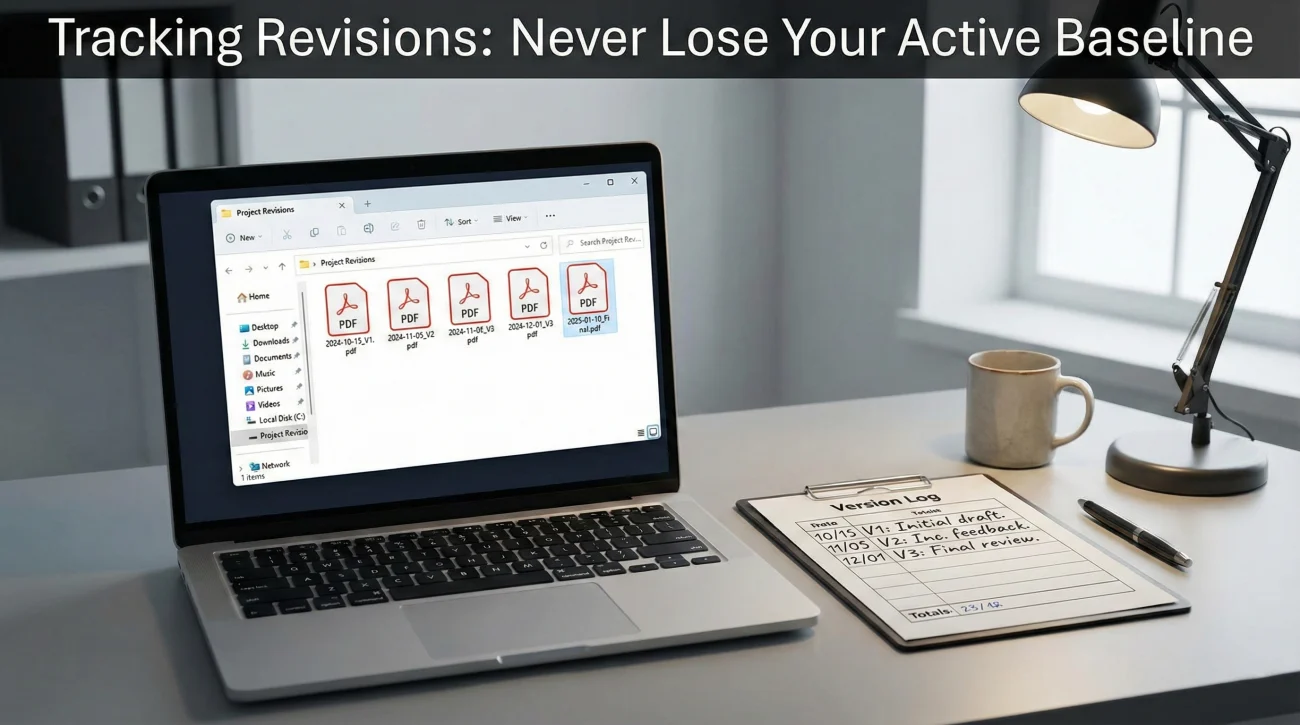
Never overwrite an old estimate with a new one; always save and number every version you receive. Use an unambiguous file naming convention (e.g., YYYY-MM-DD_Version_X) to prevent opening the wrong document during calls. Maintain a simple written log to track the differences between estimate versions, including date received and bottom-line totals. When an adjuster sends … Read more
Correcting Claim Errors: How to Fix Paperwork Without Red Flags

Correcting Insurance Claim Mistakes

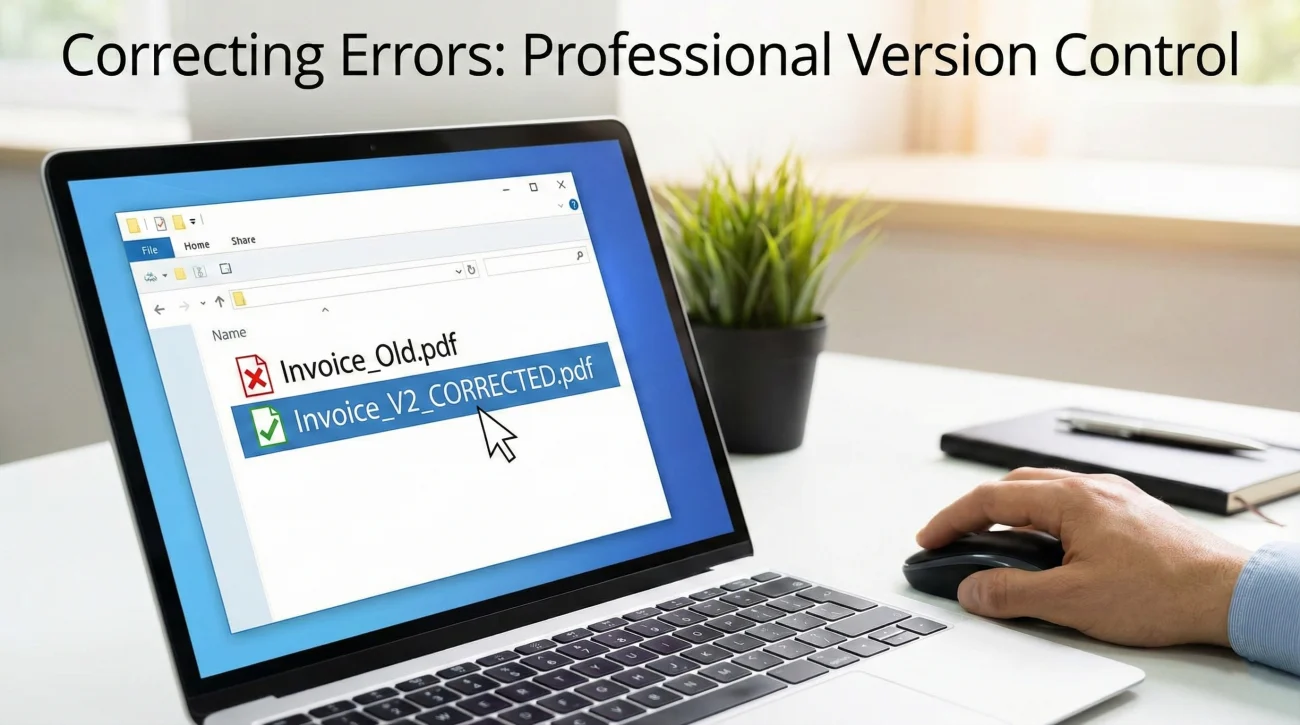
Patience over speed: While it is tempting to send a quick apology, I have found that waiting until the corrected document is fully ready prevents a confusing trail of multiple “oops” emails. Clear versioning is your best tool: By adding “V2” or “CORRECTED” to your filenames, you help the insurance intake system distinguish the new … Read more

Date of Loss Documentation: Why Inconsistent Dates Kill Claims

Date Of Loss Documentation

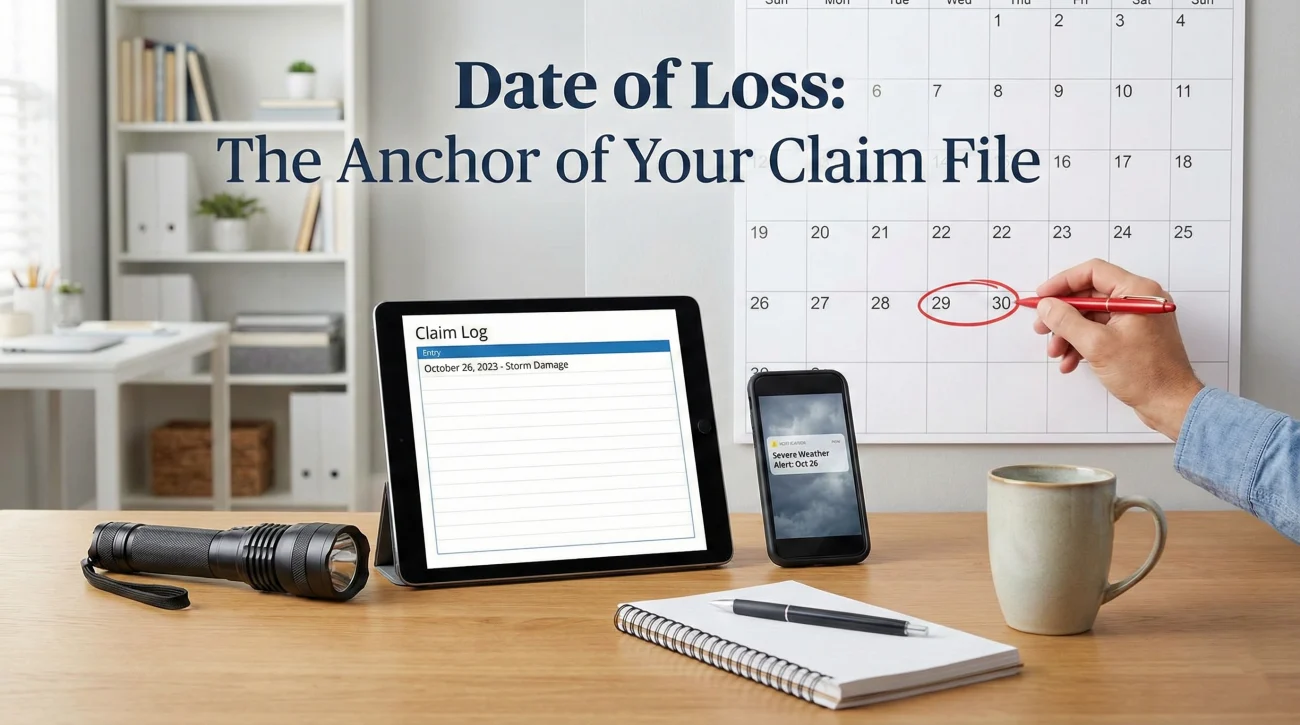
Your date of loss documentation is the chronological anchor for your entire claim file. Inconsistent dates across different documents are a primary cause of process delays. Always distinguish between the date the damage “occurred” and the date it was “discovered.” Documenting this difference clearly prevents confusion. Review every third-party document (contractor estimates, mitigation invoices) to … Read more

Insurance Evidence Master List: A Structure to Organize Your Proof

Evidence Checklist Structure

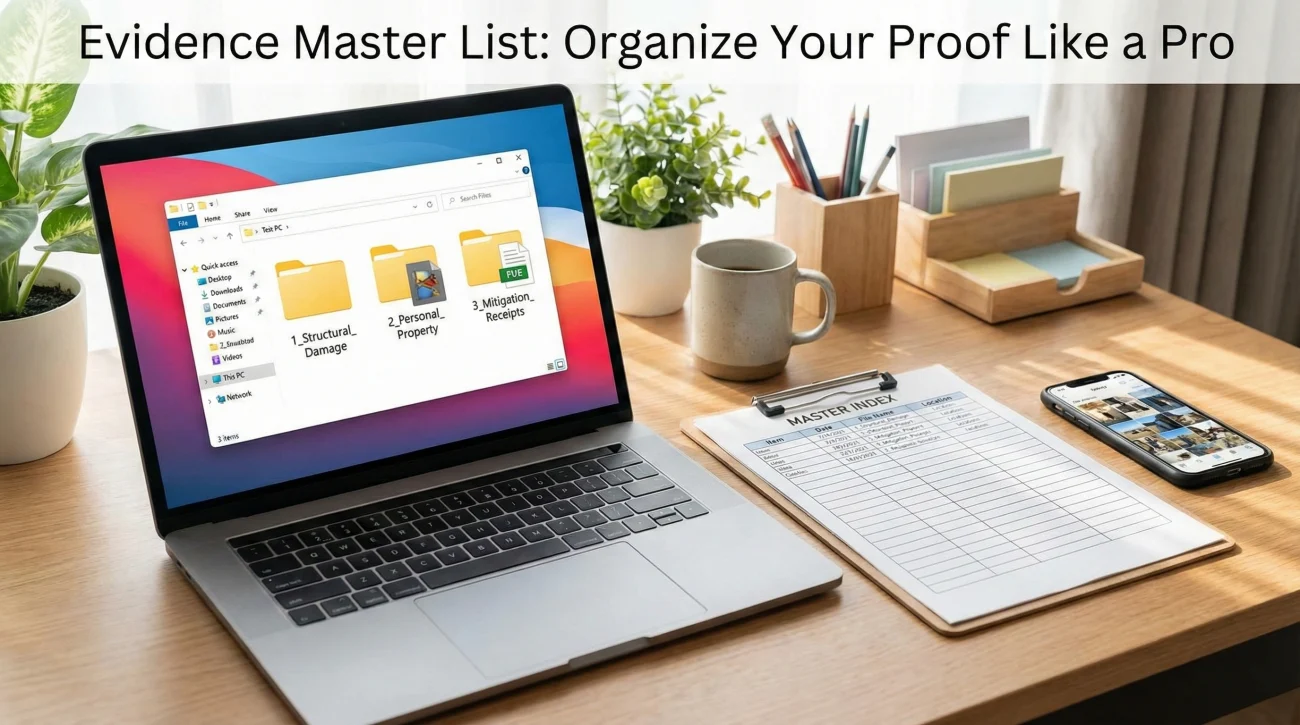
An unorganized dump of photos and receipts will almost always delay your review; you need a defined evidence checklist structure to act as a roadmap. Divide your proof into three core buckets: Structural Scene, Personal Property Inventory, and Financial Mitigation. Always keep original files untouched in a master folder and only share copies that have … Read more

Structural Damage Evidence: Documenting Walls, Floors, and Roofs

Structural Damage Evidence For Insurance Claim

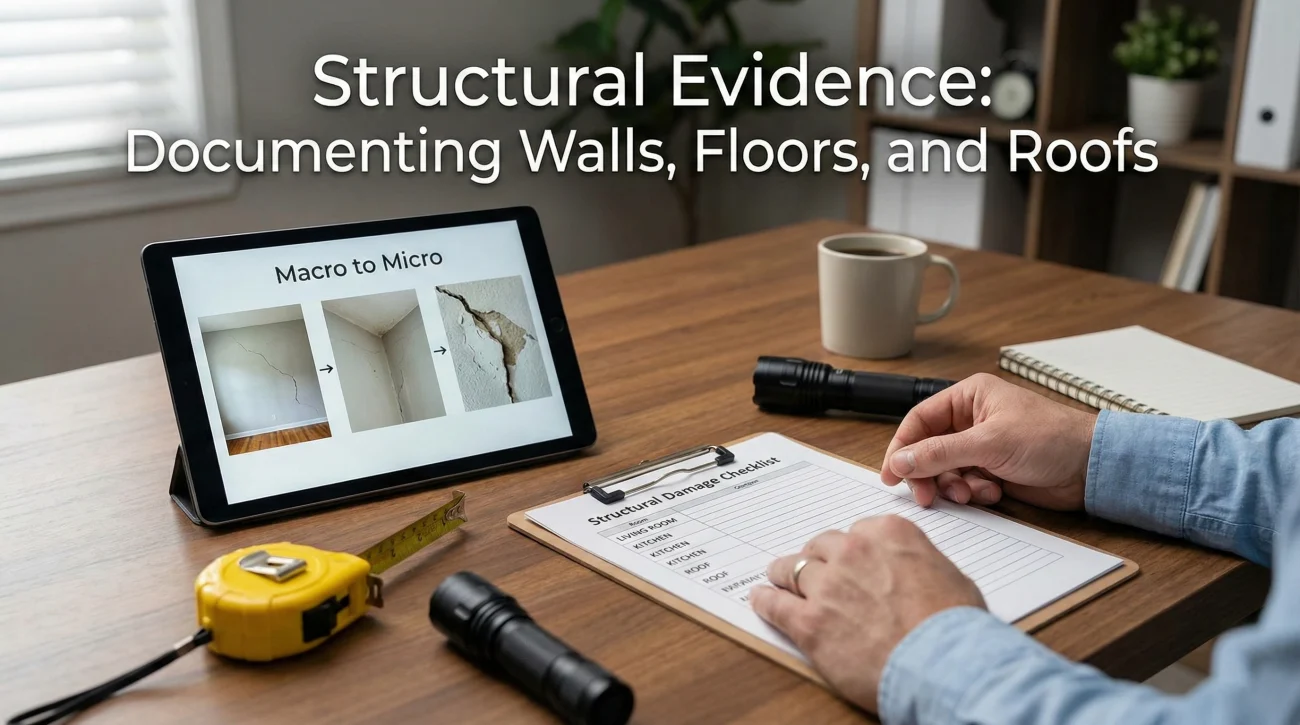
Always capture structural damage using the “Macro to Micro” method, starting with the whole room before zooming in on specific cracks or water lines. Document the exact condition of walls, floors, and roofs before any mitigation crews begin tearing out materials. Use common objects like a tape measure or a coin in your close up … Read more

Insurance Portal Uploads: A Checklist to Prevent Missing Files

Insurance Portal Upload Tips

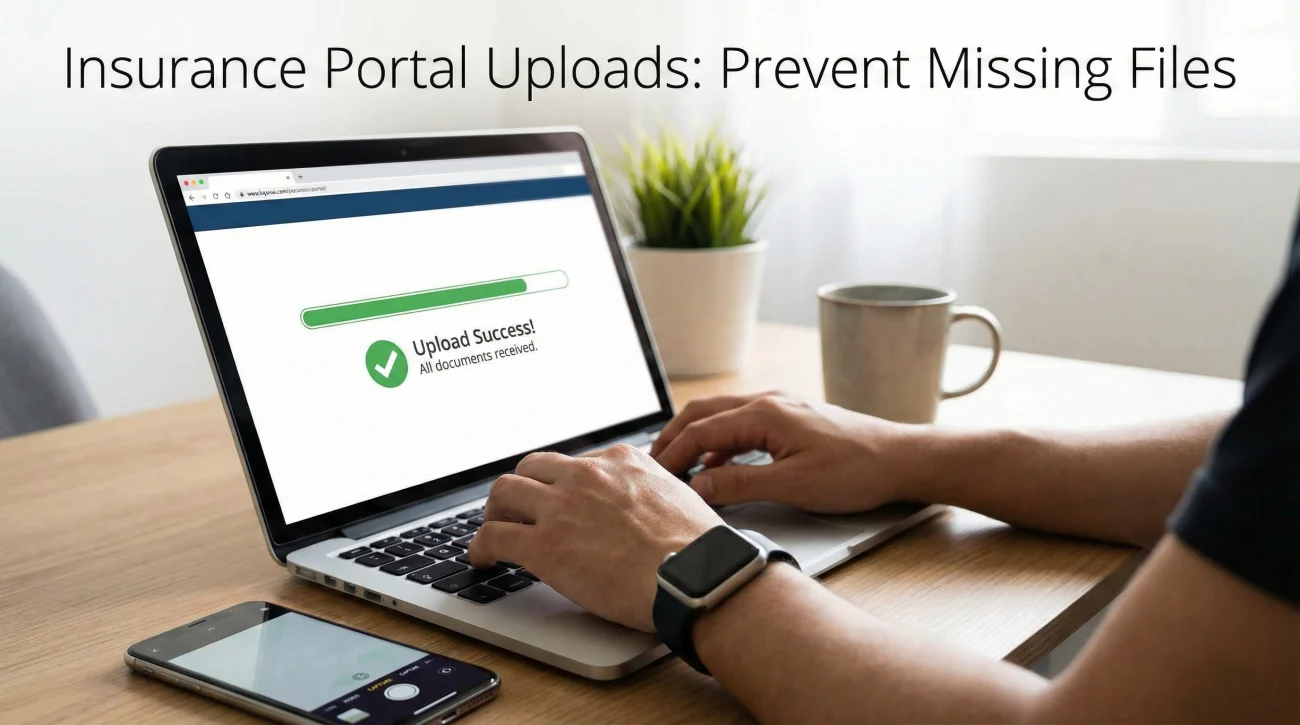
Never upload raw, unnamed files. Rename every document so the adjuster knows exactly what it is before opening it. Do not treat the portal like a dump truck. Upload your files in logical, chronological batches to prevent system timeouts. Capture your own confirmation artifacts. Take a screenshot of the upload screen before you hit submit, … Read more

Personal Property Evidence: Proving Contents vs. Structure Damage

Personal Property Evidence For Insurance Claim

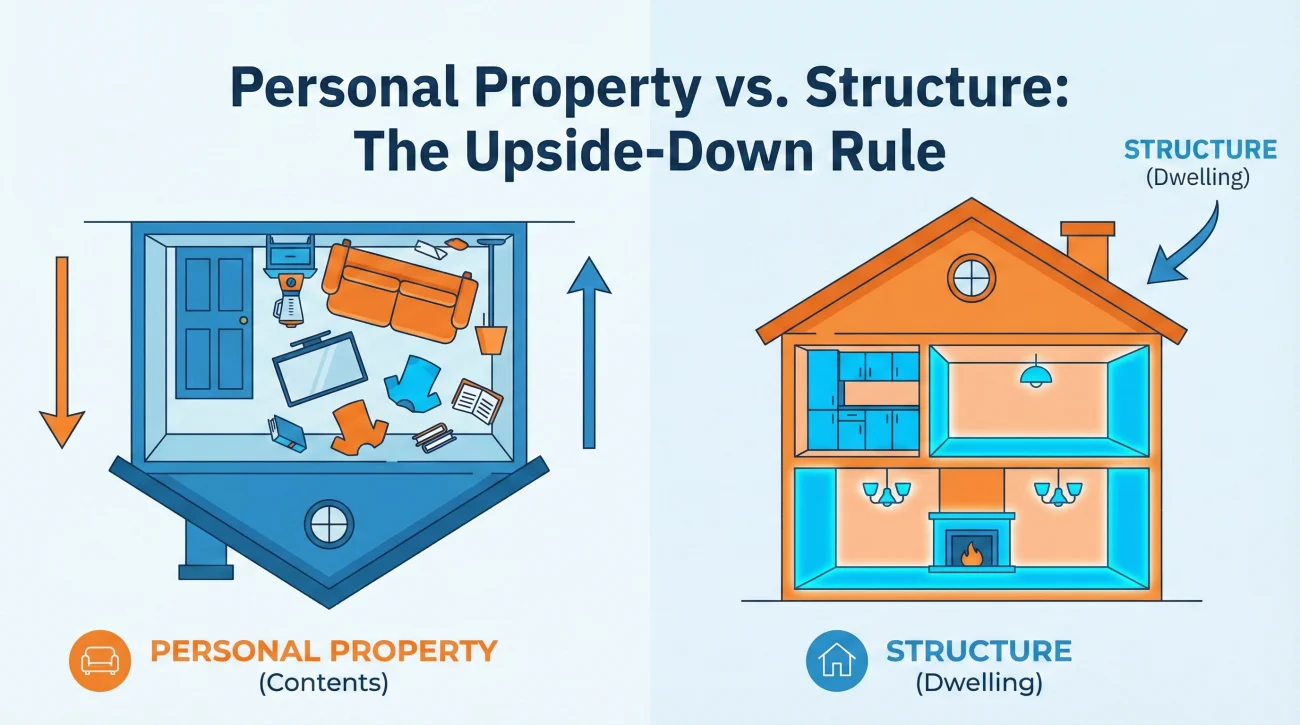
The Core Distinction: If you could theoretically turn your house upside down and shake it, whatever falls out is your personal property (contents). Whatever stays attached is your structure (dwelling). Evidence is More Than Receipts: Personal property evidence for an insurance claim includes photos, owner’s manuals, credit card statements, warranty registrations, and even background items … Read more

Claim Recordkeeping: What to Keep and How to Store Your Files

Insurance Claim Recordkeeping

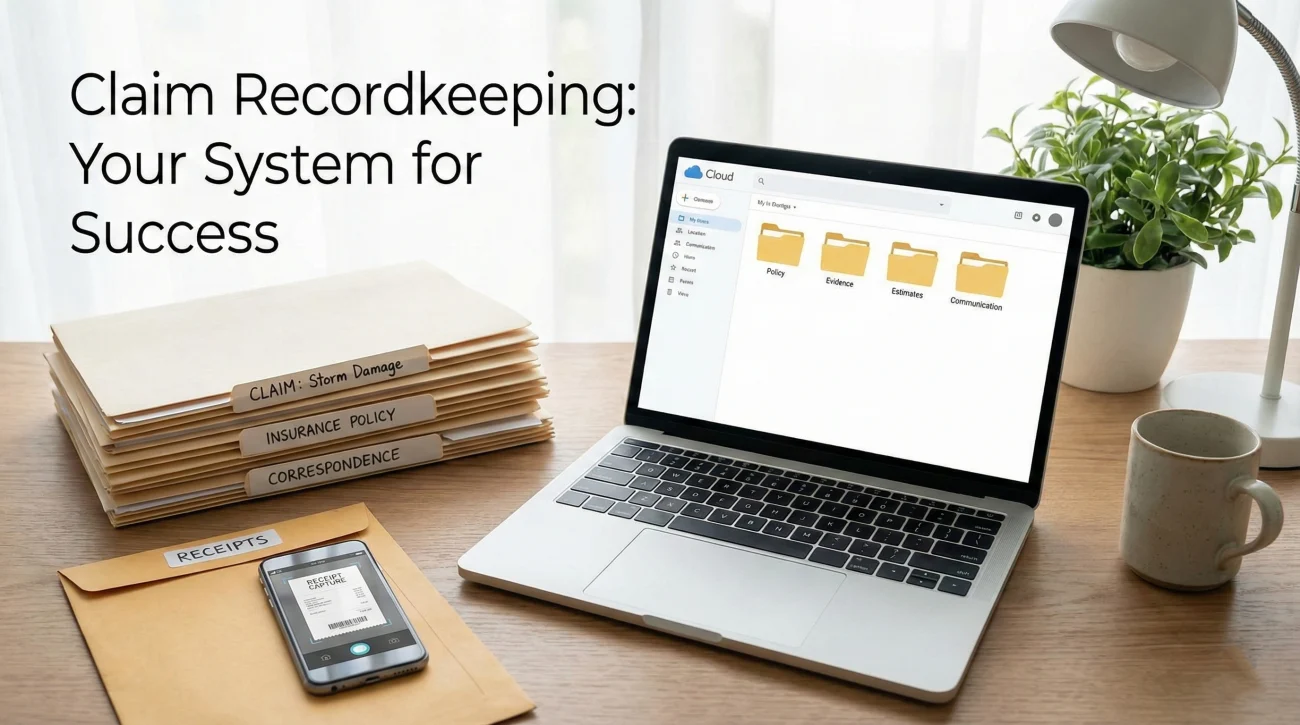
Build a strict folder structure from day one: separate what you send, what you receive, and your daily logs. Never rely on the insurer’s portal as your only backup; always keep local copies of every upload and confirmation screen. Use a consistent file naming routine that includes the date and a clear description so you … Read more

Closed vs. Denied: Reading Your Insurance Claim Status Correctly

Claim Closed Vs Denied

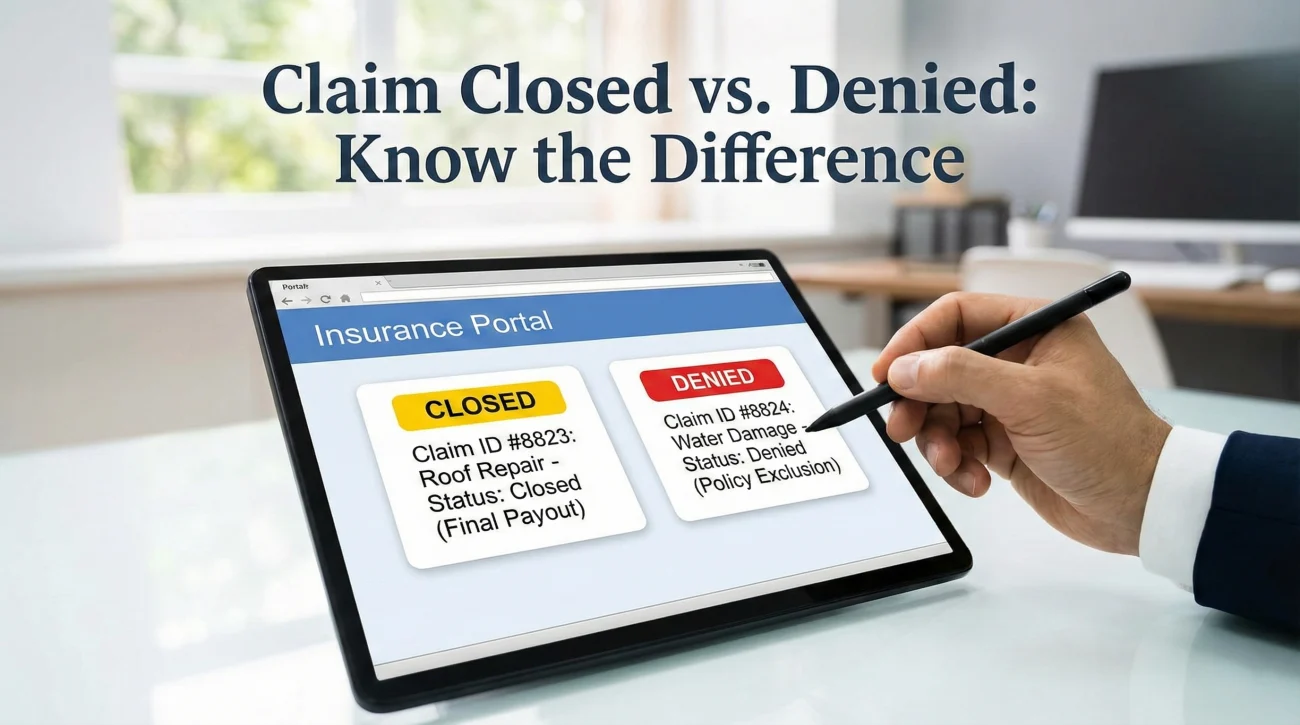
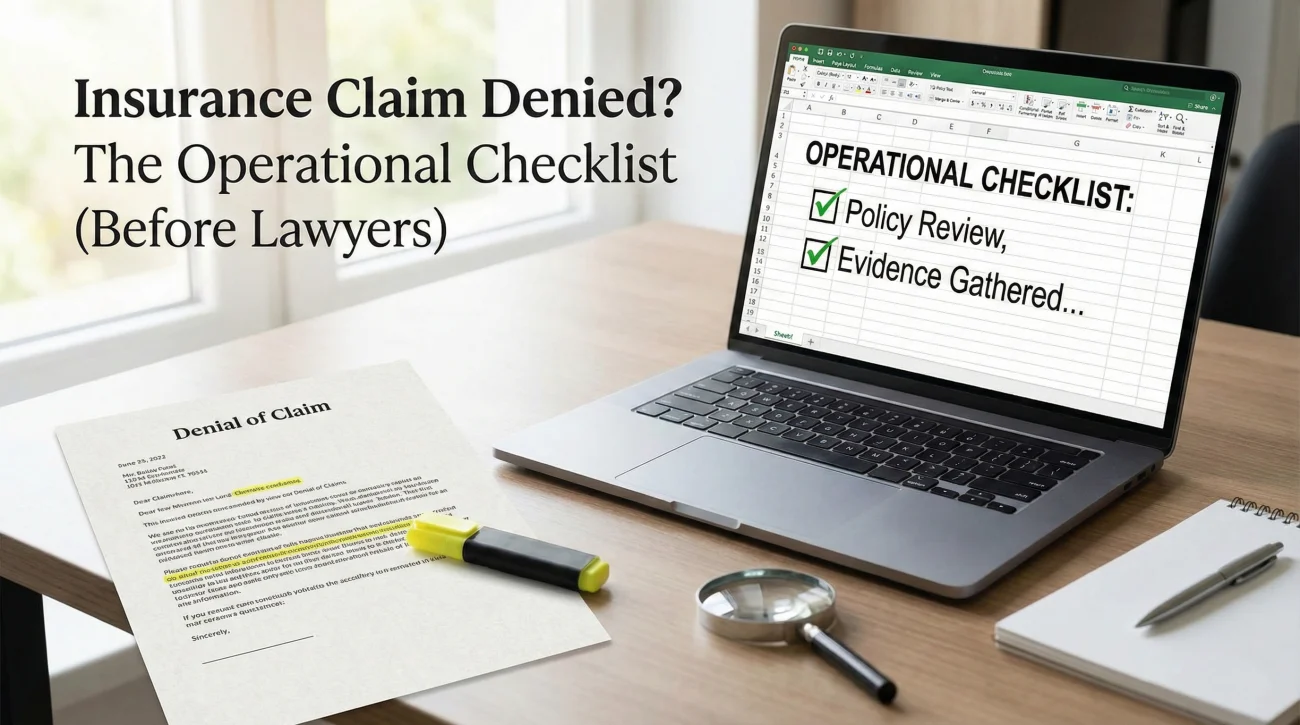
“Closed” is usually an administrative status meaning inactivity, missing documents, or an automated system timeout. It is often reversible. “Denied” is a formal decision based on the current facts and policy review. It requires a specific, documented reason from the adjuster. Knowing the difference between claim closed vs denied dictates your exact next step: requesting … Read more

Claim File Naming: How to Organize Documents for Your Adjuster

Insurance Claim File Naming Convention

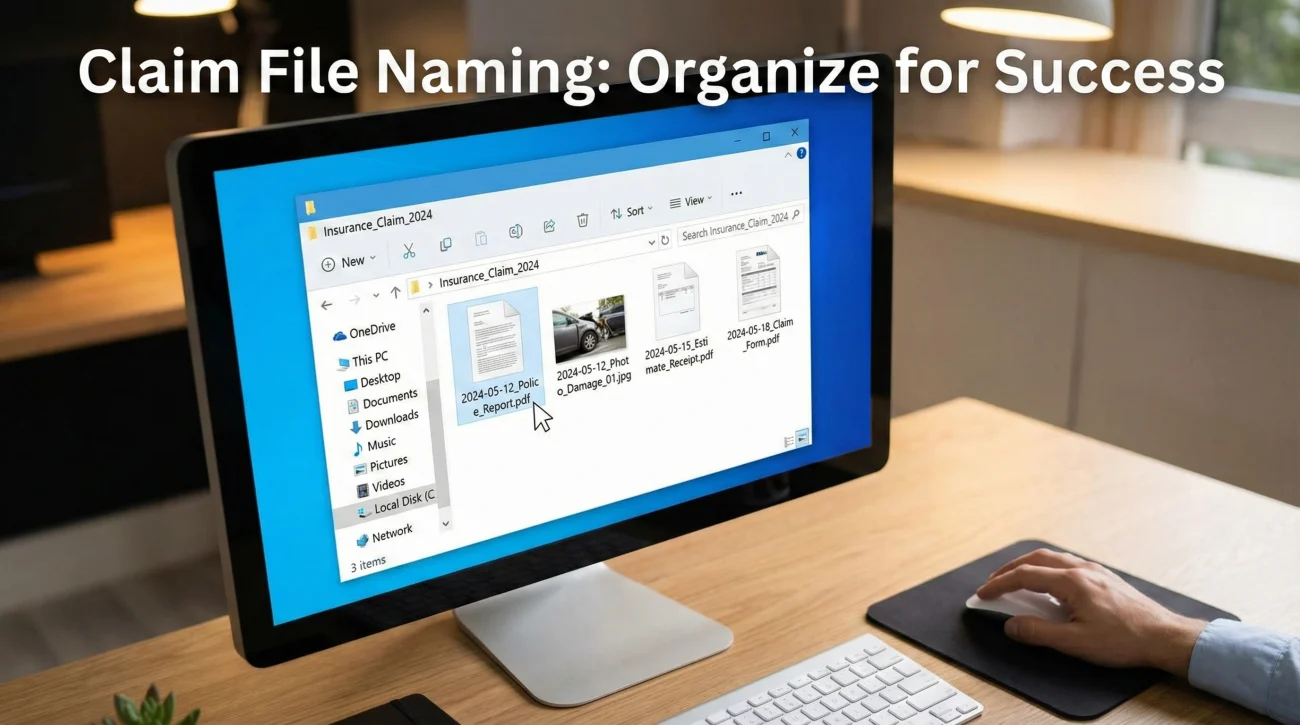
Naming your files clearly is one of the most effective ways to prevent an adjuster from losing your documents or asking for them twice. Use a standardized chronological format: YYYY-MM-DD – Claim Number – Doc Type – Short Description. Never name a file “Estimate.pdf” or “IMG_1234.jpg”: these get lost instantly when an adjuster downloads them … Read more

Recoverable Depreciation: The Checklist to Unlock Your Final Payout

Recoverable Depreciation Process

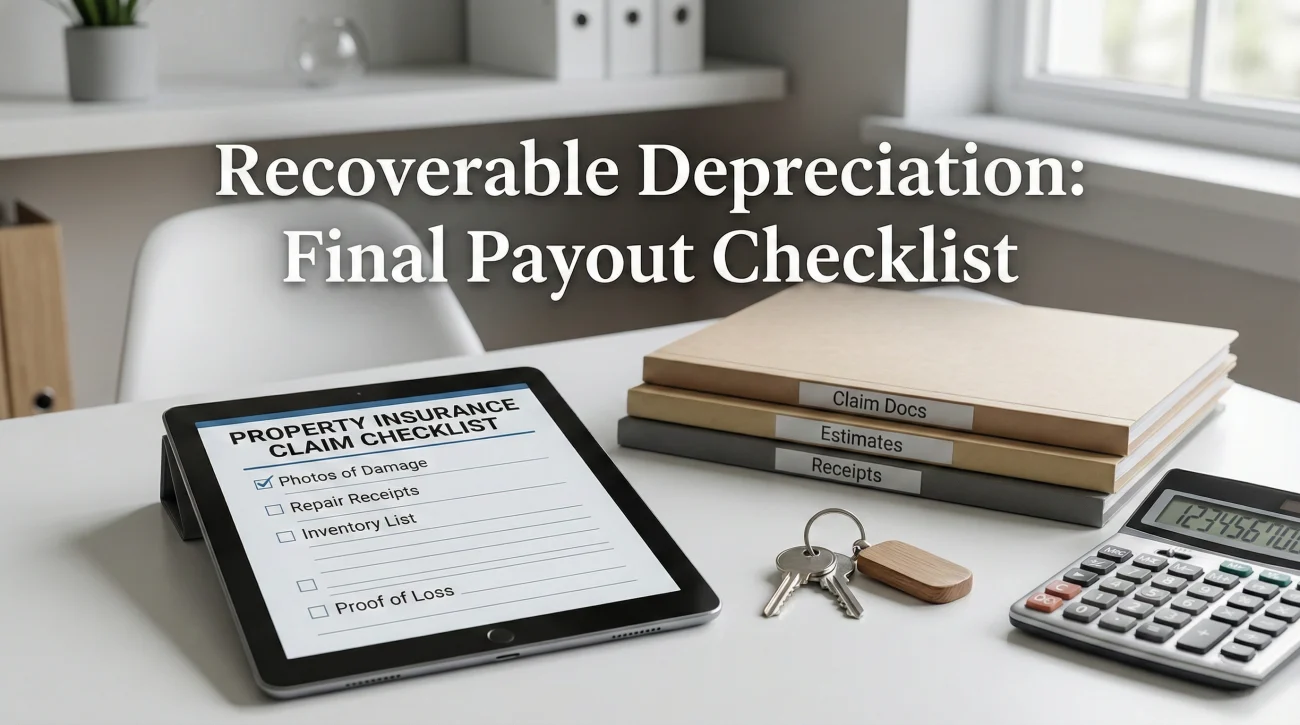
The recoverable depreciation process requires you to prove that the repair work was actually completed and paid for as scoped. Vague contractor invoices frequently cause final payouts to get delayed. Invoices must be highly detailed and track back to the original estimate. You must organize a clear evidence pack containing itemized invoices, proof of payment, … Read more

Claim Consistency Check: Finding Contradictions in Your Evidence

Consistency Check For Claim Evidence

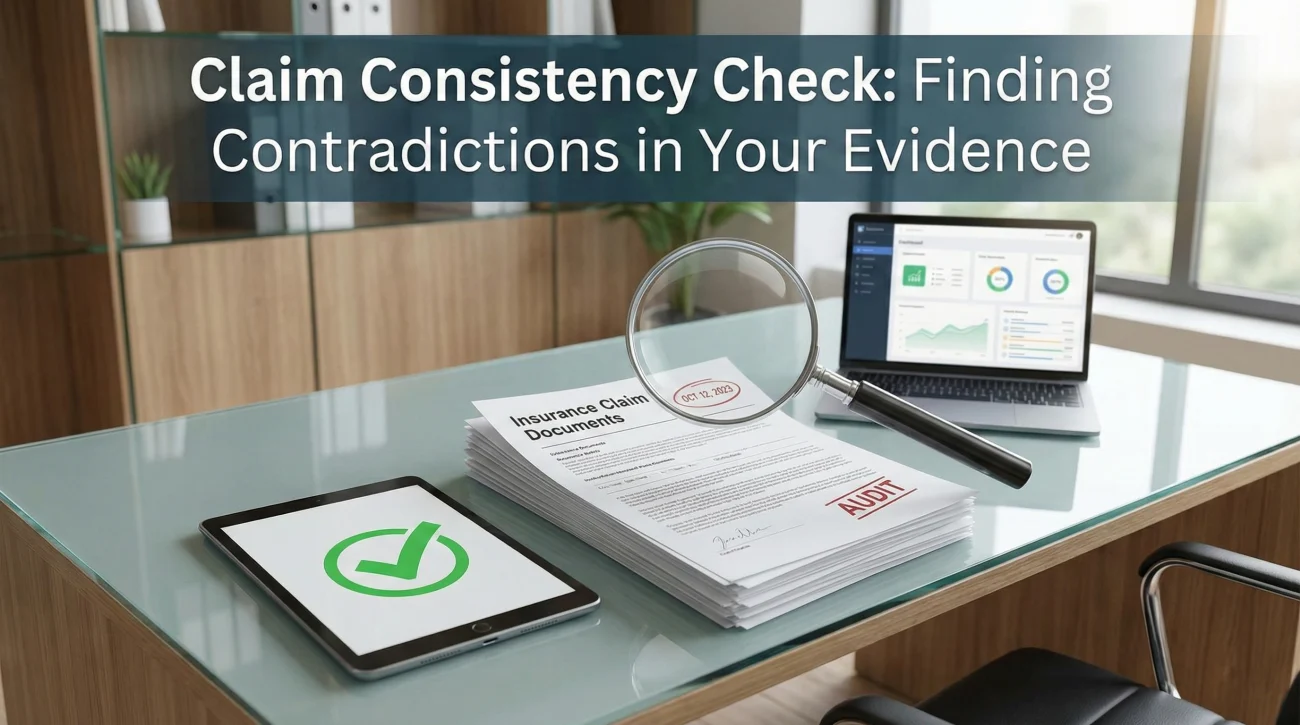
A claim consistency check is a self-audit you perform before submitting documents to ensure your dates, locations, and descriptions align perfectly across all files. Contradictions in evidence rarely indicate fraud, but they frequently trigger administrative delays because the reviewer cannot confidently map the damage. Reviewing your evidence helps clarify the record, making it easier for … Read more