Insurance Definitions: “Sudden Damage” vs. “Wear and Tear”

Wear And Tear Vs Sudden Damage Insurance

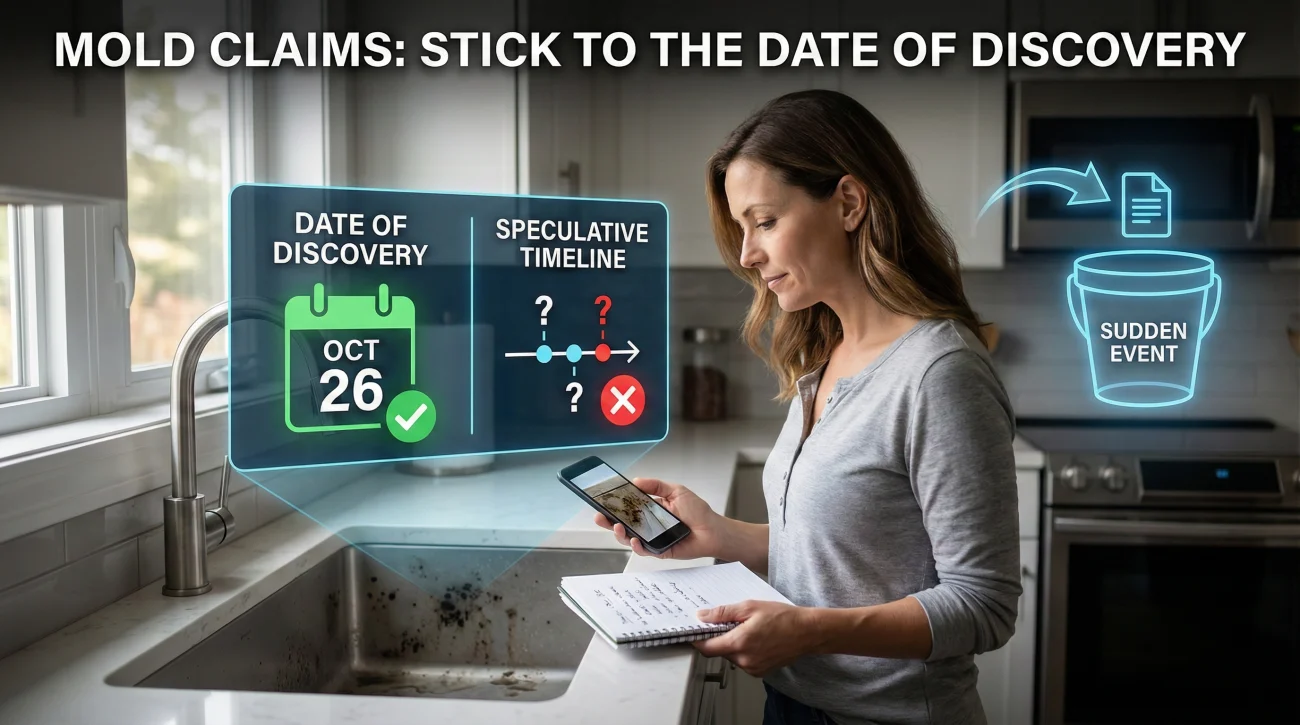
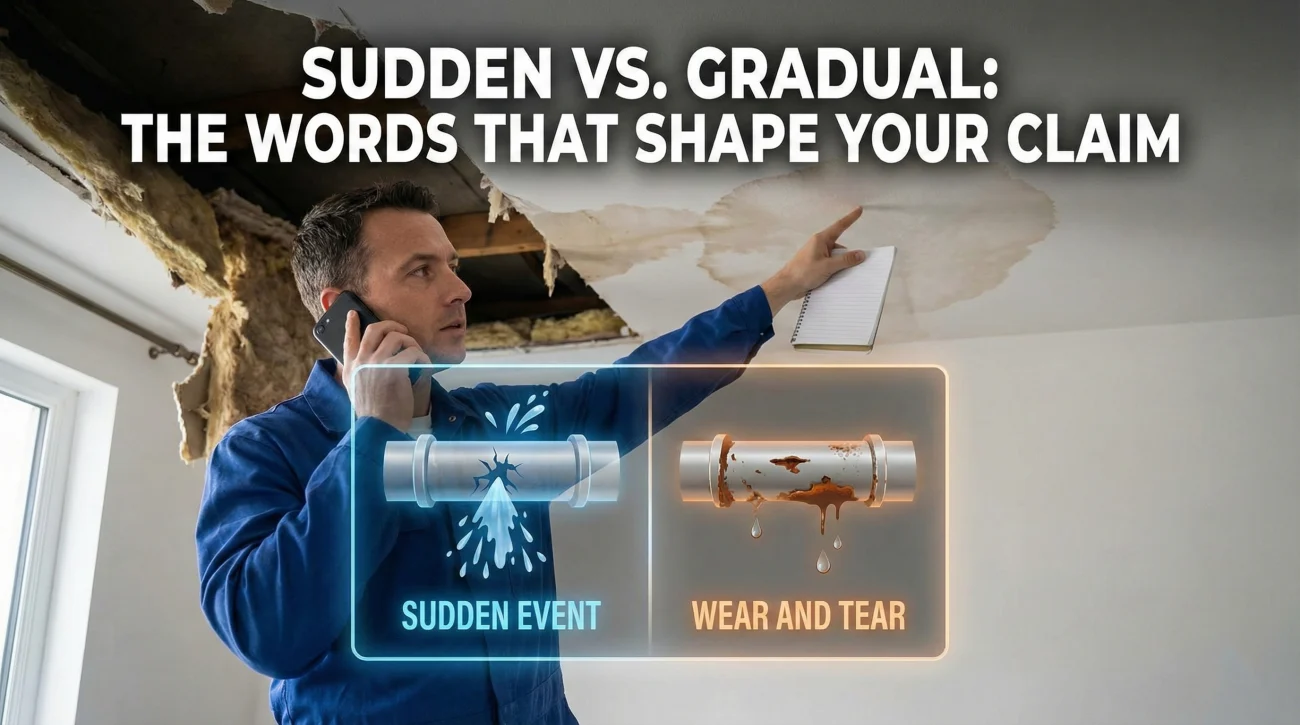
When reporting a claim, your job is to state observable facts, not to diagnose the root cause of the damage. Avoid guessing how long a problem has existed; using words like “probably” or “must have been” can lead to inaccurate claim routing. If you do not know the exact cause or timeline, stating “I just … Read more

Missing Portal Uploads: How to Recover Lost Claim Evidence

Uploaded Photos Missing Insurance Claim

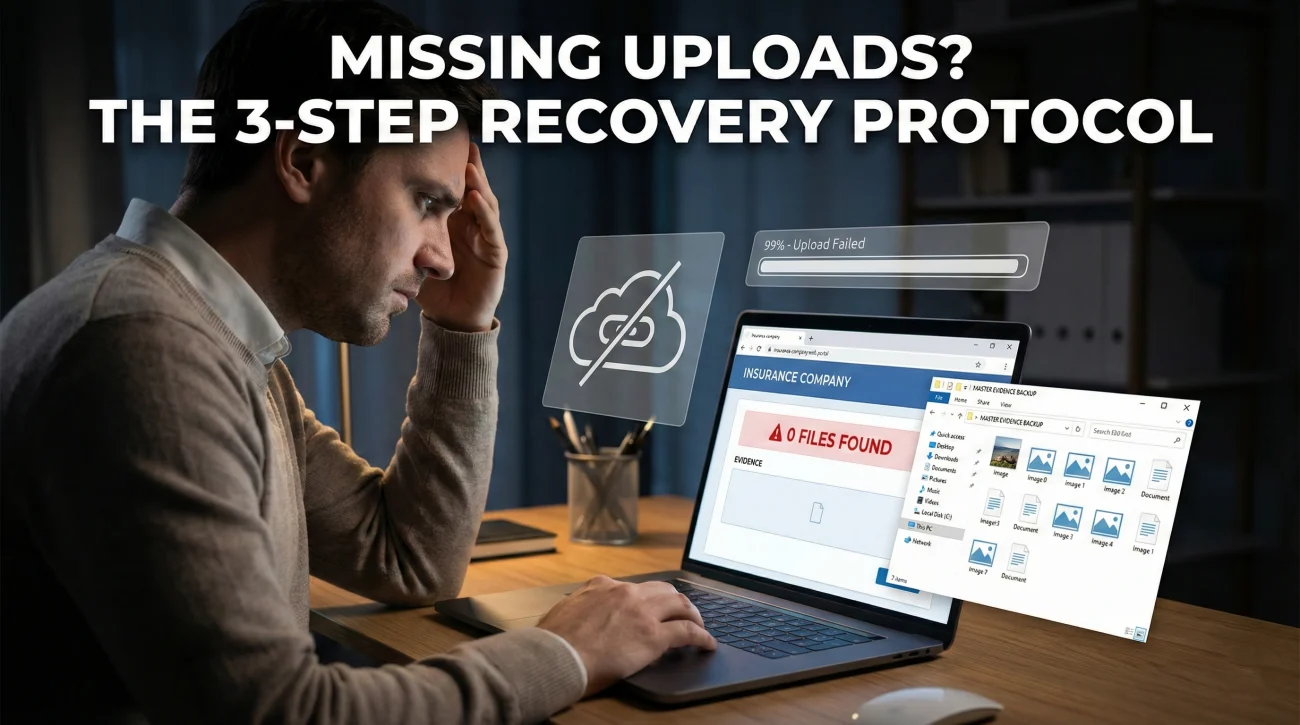
Portal glitches are a common operational reality; do not assume malice if your uploaded files disappear. Avoid deleting your original photos after hitting submit. Always maintain a local master folder of your evidence. When re-uploading, break your files into smaller batches and request a written confirmation of receipt from your reviewer. The Panic of the … Read more

Claim Status Request: How to Write an Email That Gets a Reply

Claim Status Update Email

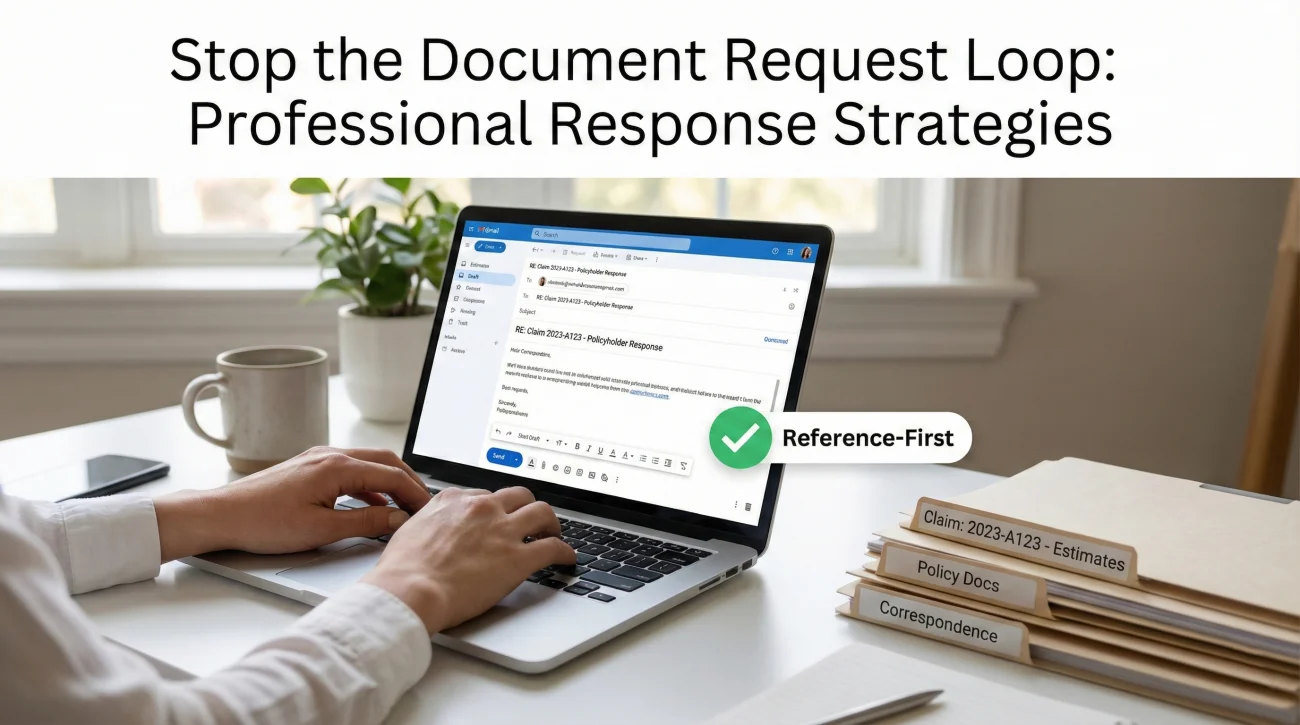
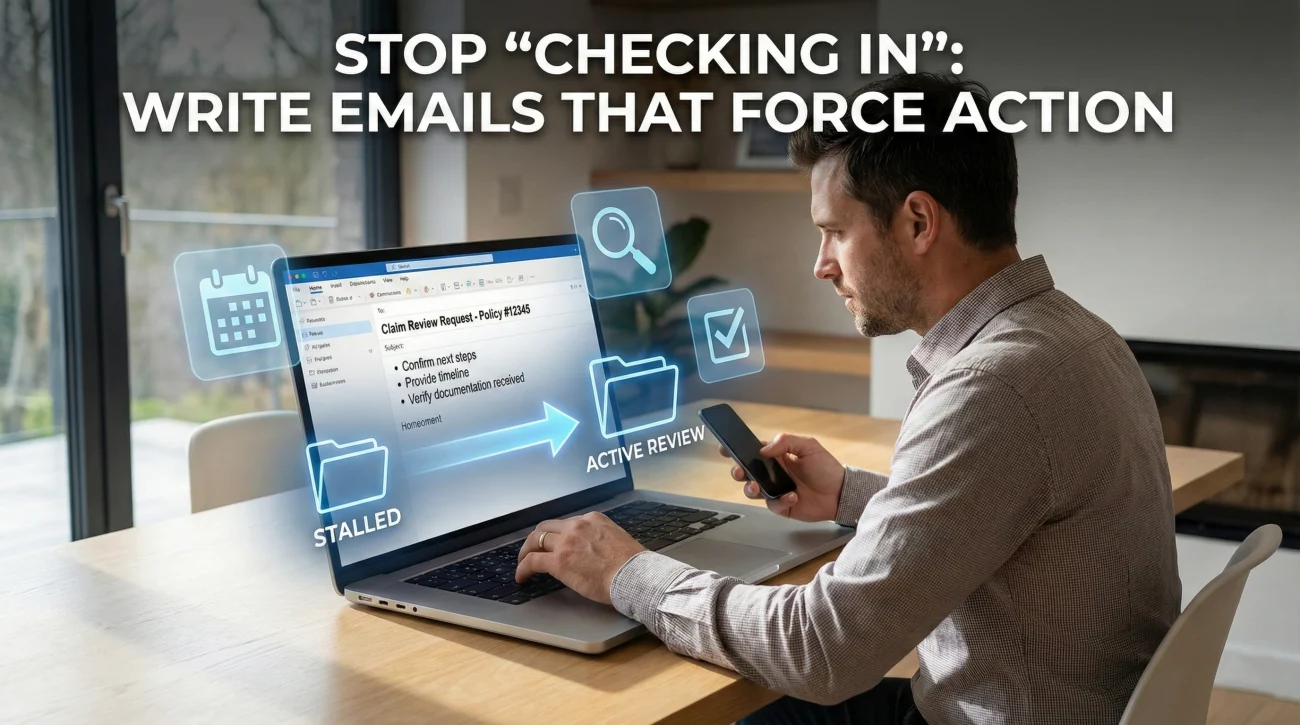
A generic “checking in” email often gets ignored because it does not ask a specific question that forces a process update. To get a clear reply, you must ask targeted questions about the current stage of your file and whether the adjuster is waiting on you for anything. Always include your claim number in the … Read more

Insurance Supplement Timeline: How Long Does Review Take?

Supplement Review Timeline Questions

Filing a supplement often moves your claim out of your main adjuster’s hands and into a specialized review queue, which is why timelines suddenly become vague. To get a real timeline, you must ask specific supplement review timeline questions that identify the exact desk currently reviewing your file. Do not stop at “it is under … Read more

Insurance Escalation Checklist: When Are You Ready to Demand a Manager?

When To Escalate Insurance Claim Internally

Escalating an insurance claim is an operational process, not an emotional reaction. Screaming for a manager rarely works. You must hit specific, measurable triggers before escalating, such as broken timeline promises or repeated requests for the same documents. Never ask for a supervisor without your “Escalation Pack” ready: a clear timeline log, a list of … Read more

Water Damage vs. Flood Insurance: The Difference That Costs You

Water Damage Vs Flood Insurance

Avoid using the word “flood” casually when reporting a claim; in insurance operations, a flood means rising outdoor water, not a burst pipe. Describe the observable source of the water (e.g., a broken supply line) rather than the catastrophic result, to ensure your claim gets the correct routing label. Prepare your facts before you make … Read more

Debris Evidence: What to Photograph Before Throwing Away Items

What To Photograph Before Throwing Away For Claim

Prioritize your safety first. If an item is a severe health hazard, document it from a safe distance before removal. Use a minimum viable proof approach (one wide shot, one identifying tag) when rushed, or the ideal three-shot sequence for high-value items. Create a written disposal log that connects the discarded item to your main … Read more

Claim Timeline Request: Questions That Force Specific Dates

Request Insurance Claim Timeline

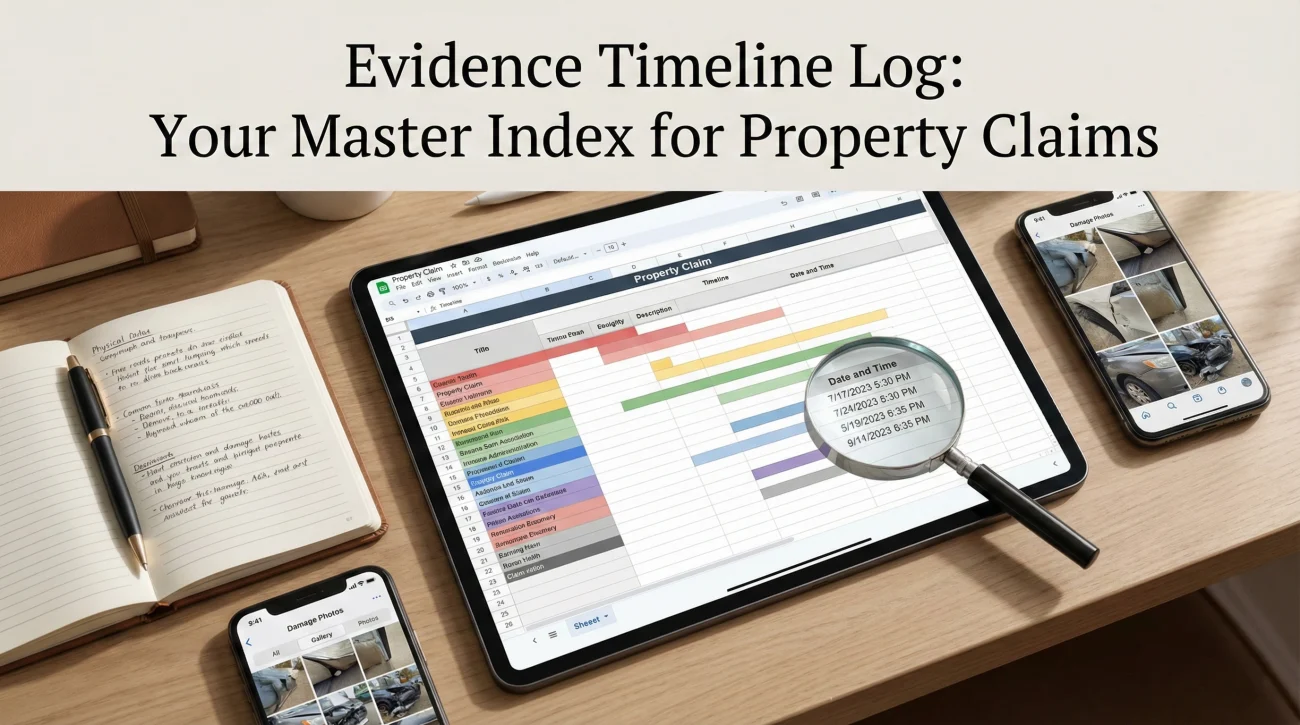
Never accept “we are processing it” as a timeline; a real milestone requires a specific action, an assigned owner, and an exact date. Use targeted, polite questions to force the adjuster to commit to a date, then immediately log that date in your records. Always follow up a phone conversation with a short email confirming … Read more

Repair vs. Replace: How to Argue for Replacement in Insurance Claims

Repair Vs Replace Decision Insurance Claim

The Core Conflict: Estimates often default to “repair” because it is the baseline standard, but physical field constraints often make partial fixes impossible. Three Distinct Angles: Understand the difference between repairability (it physically breaks), matching (materials no longer exist), and code (local laws prevent partial fixes). The Domino Effect: Often, the process of repairing one … Read more

Restarting a Stalled Insurance Claim: The “Ghosted” Protocol

Restart Stalled Insurance Claim

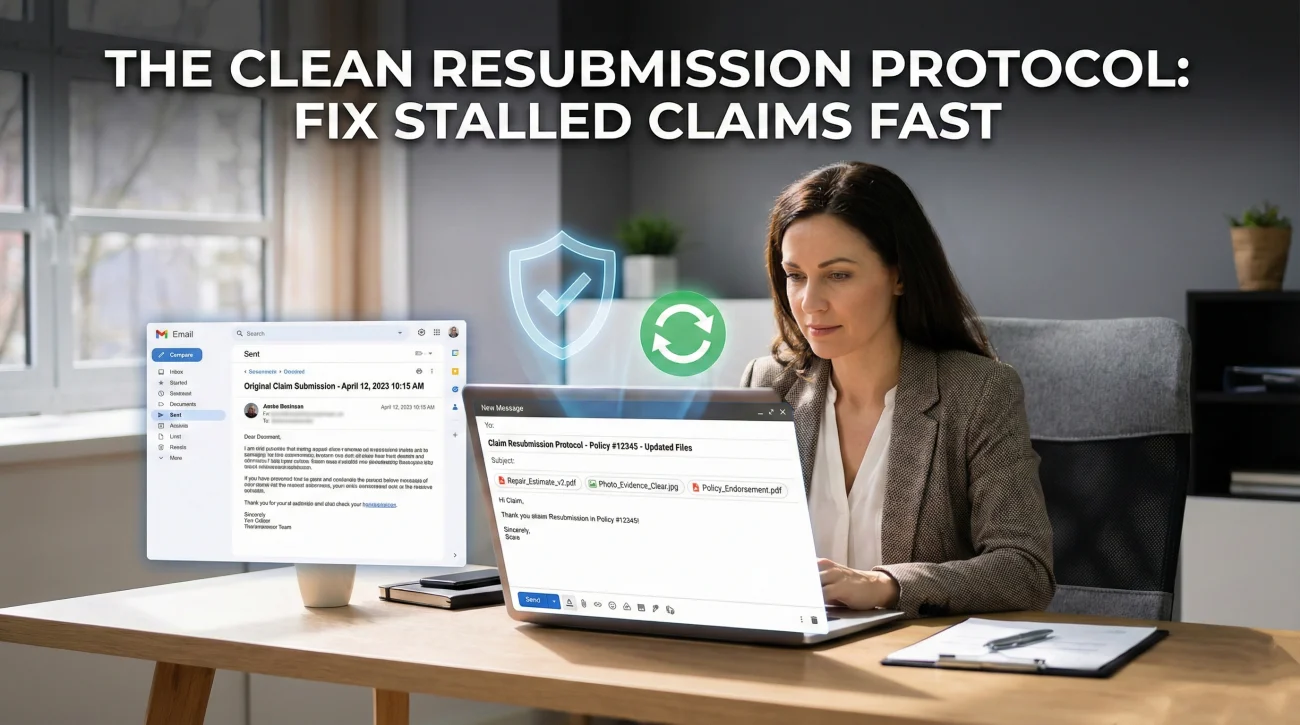
A claim that goes completely quiet usually means it has fallen off the active operational dashboard, often due to desk turnover or missing system triggers. Do not send an angry email or start a brand new claim; both actions create more administrative mess and often delay the process further. Use the “Continuity Recap” method to … Read more

Is It Covered? Home Insurance Coverage Buckets Explained

Is This Covered By Homeowners Insurance

Filing a claim without knowing your coverage buckets can lead to unnecessary denials based on how you describe the damage. Insurance generally covers “sudden and accidental” events, but usually excludes “wear and tear” or maintenance issues. Separate what you saw from what you think happened. Stick strictly to observable facts when speaking to your agent … Read more

Final Invoice Higher Than Insurance Estimate: Proving the Difference

Final Invoice Higher Than Insurance Estimate

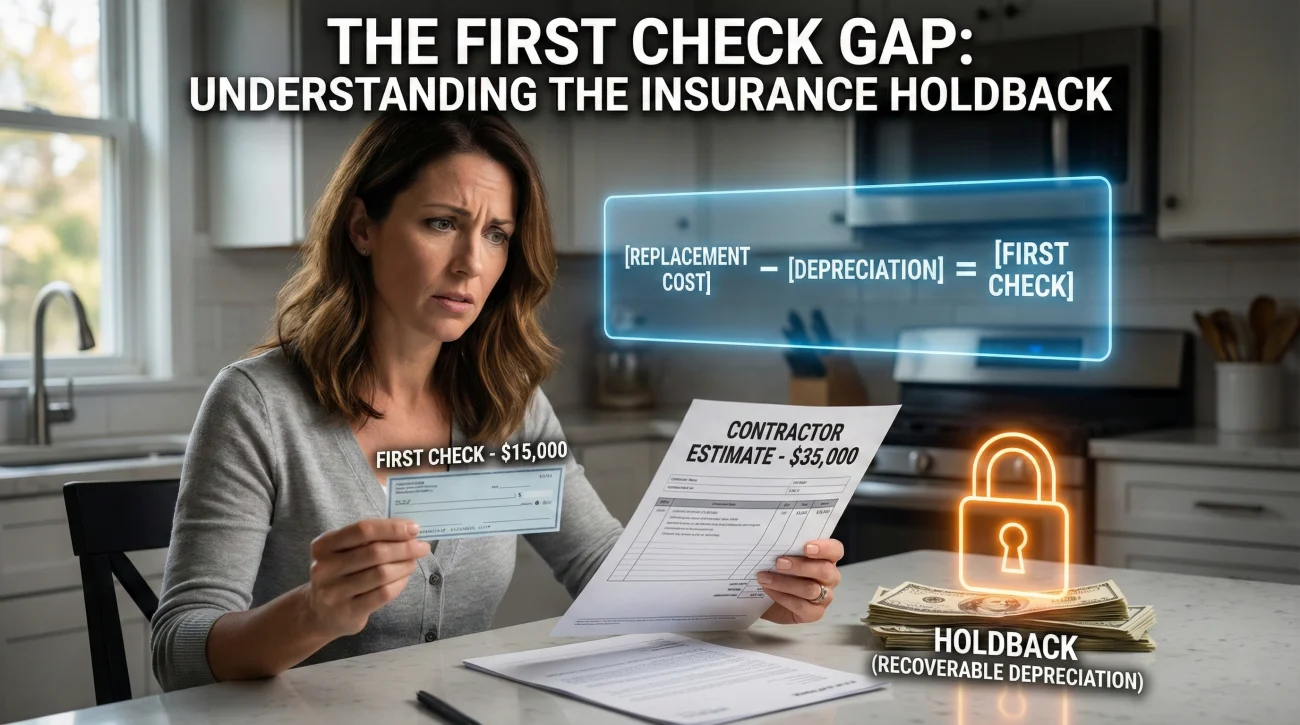
Reviewers cannot approve a higher final invoice based on price alone; you must categorize the difference as specific changes in the physical scope of work. Always separate your contractor’s final bill into clear “Delta Categories” such as hidden damage, code upgrades, or missing detach-and-reset operations. A higher final invoice is often ineffective without a supporting … Read more

Waiting on Vendor Reports: Don’t Let Third Parties Stall Your Claim

Waiting On Vendor Report Insurance Claim

“Waiting on a vendor report” is the most common operational excuse for a stalled insurance claim, but you do not have to wait passively. Insurance adjusters rarely chase third-party vendors proactively; you must create a communication loop that forces visibility. Always collect the direct contact information and expected report delivery date from any vendor before … Read more

Insurance Claim Forms: Tracking the Paperwork That Arrives Day 2

Forms Sent After Filing A Claim

The forms sent after filing a claim are usually standard templates, not immediate demands for data you do not have yet. Do not rush to fill out complex forms like a Proof of Loss before you understand your total damages. Track them instead. Set up a simple logging system to record what you received, the … Read more