
Mold Insurance Claims: How to Avoid the “Long-Term Leak” Denial
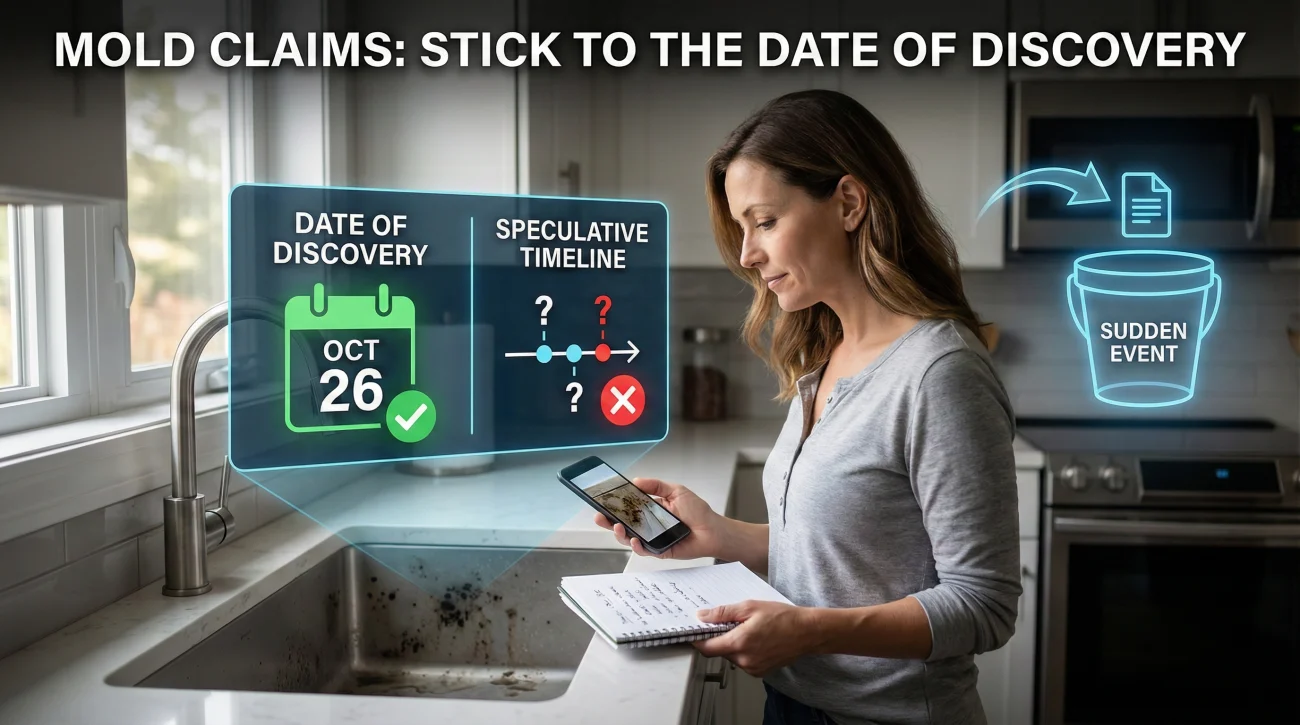
Mold Covered By Homeowners Insurance

The words you use on day one decide which coverage bucket your claim lands in. Stick exclusively to observable facts when reporting a loss. Do not guess how long a leak has existed. Keep wet, damaged materials available for inspection; throwing them away too early can ruin your timeline proof. The Reality of Reporting Mold … Read more

Water Damage vs. Flood Insurance: The Difference That Costs You

Water Damage Vs Flood Insurance

Avoid using the word “flood” casually when reporting a claim; in insurance operations, a flood means rising outdoor water, not a burst pipe. Describe the observable source of the water (e.g., a broken supply line) rather than the catastrophic result, to ensure your claim gets the correct routing label. Prepare your facts before you make … Read more

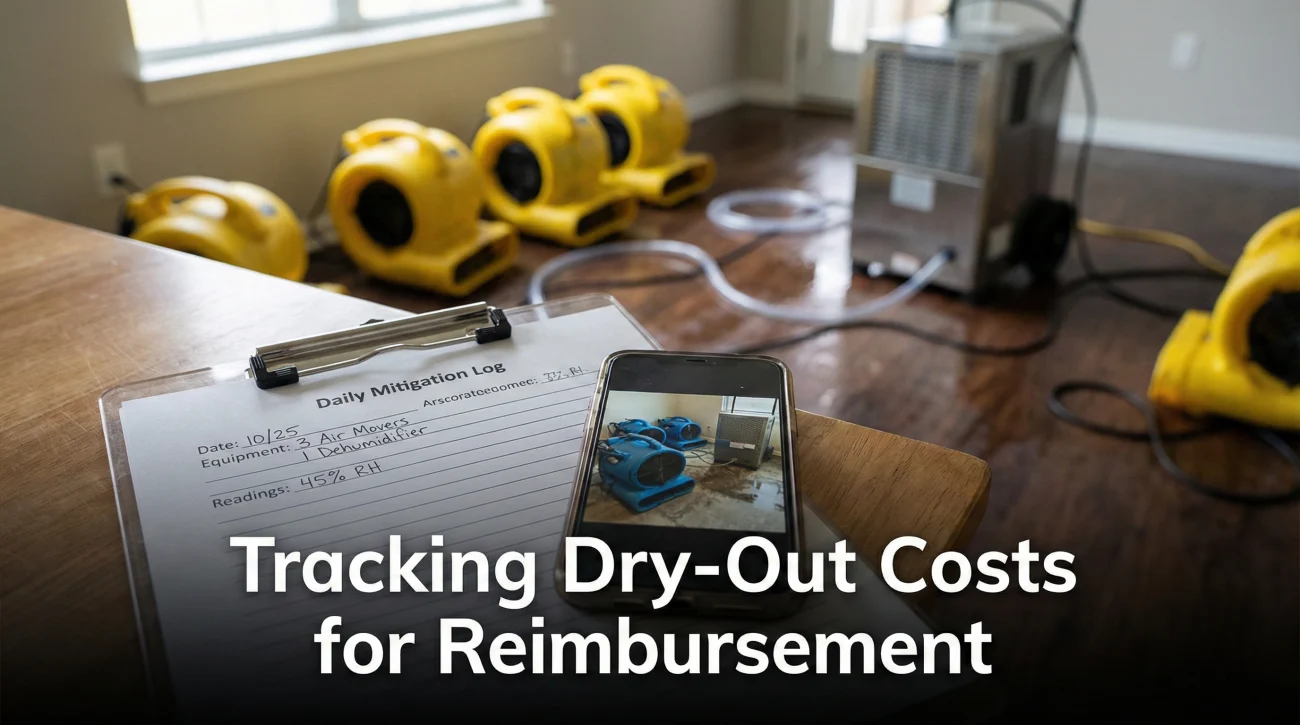
Mitigation Logs: Tracking Dry-Out Costs for Insurance Reimbursement

Mitigation Receipts And Logs Insurance Claim

Never accept a lump-sum invoice for emergency dry-out or mitigation; always request a daily breakdown of equipment, labor hours, and materials used. Keep your own daily log of how many fans and dehumidifiers are running in your home and take photos of them as secondary proof. Keep mitigation expenses strictly separated from permanent repair quotes … Read more

Don’t Say “Flood” Unless You Mean It: The Rising vs. Falling Rule Adjusters Use

Don’t Say “Flood” Unless You Mean It: The Rising vs. Falling Rule Adjusters Use

The Big Risk: Standard homeowners policies almost never cover “flood.” If you use the wrong word to describe your loss, you might accidentally trigger a denial. The Cost is Real: FEMA data shows the average NFIP claim payment has exceeded $66,000. This is not a minor repair issue; it is a financial disaster if coverage … Read more