Roof Leak Insurance Claims: Storm Damage vs. Maintenance

Roof Leak Covered By Insurance

Filing a roof leak claim is fundamentally an exercise in categorizing facts: is this a sudden event or a maintenance issue? Your initial intake notes determine the path. Never guess the cause or the date on the first call. Insurance systems record your initial statements permanently, and contradictory timelines often trigger administrative delays. Before you … Read more
Mold Insurance Claims: How to Avoid the “Long-Term Leak” Denial

Mold Covered By Homeowners Insurance

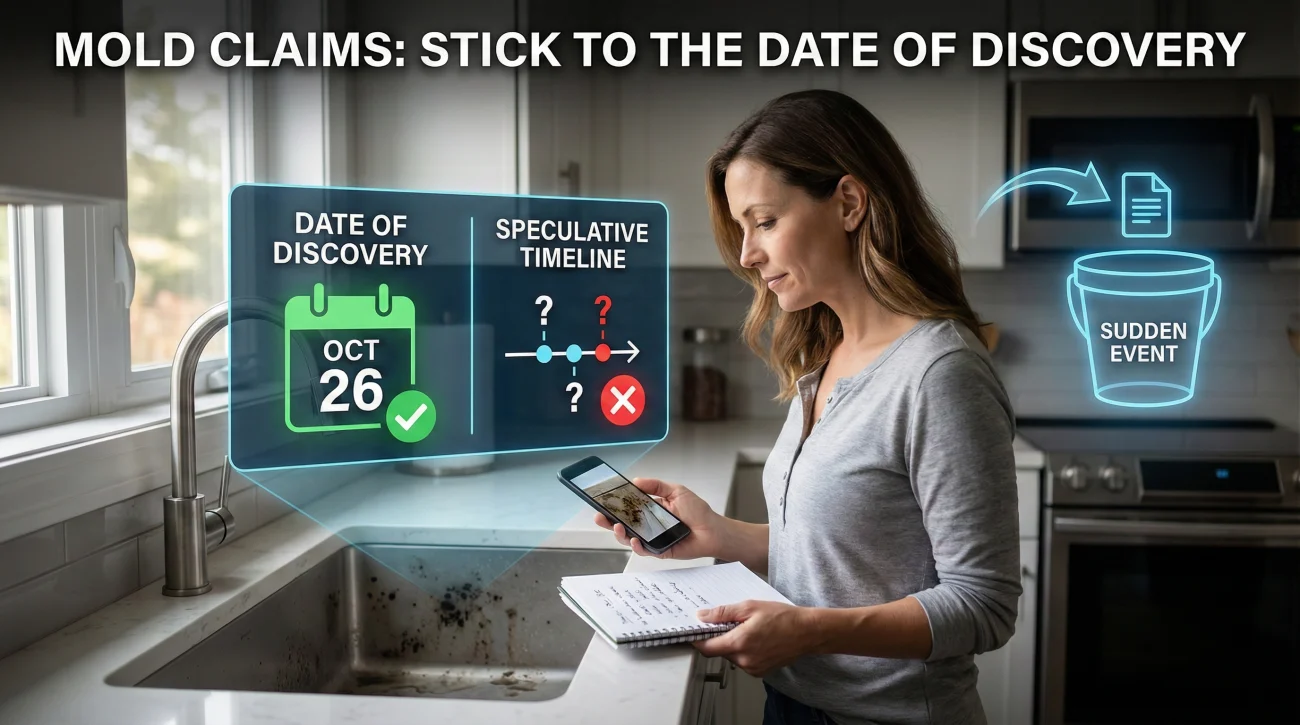
The words you use on day one decide which coverage bucket your claim lands in. Stick exclusively to observable facts when reporting a loss. Do not guess how long a leak has existed. Keep wet, damaged materials available for inspection; throwing them away too early can ruin your timeline proof. The Reality of Reporting Mold … Read more

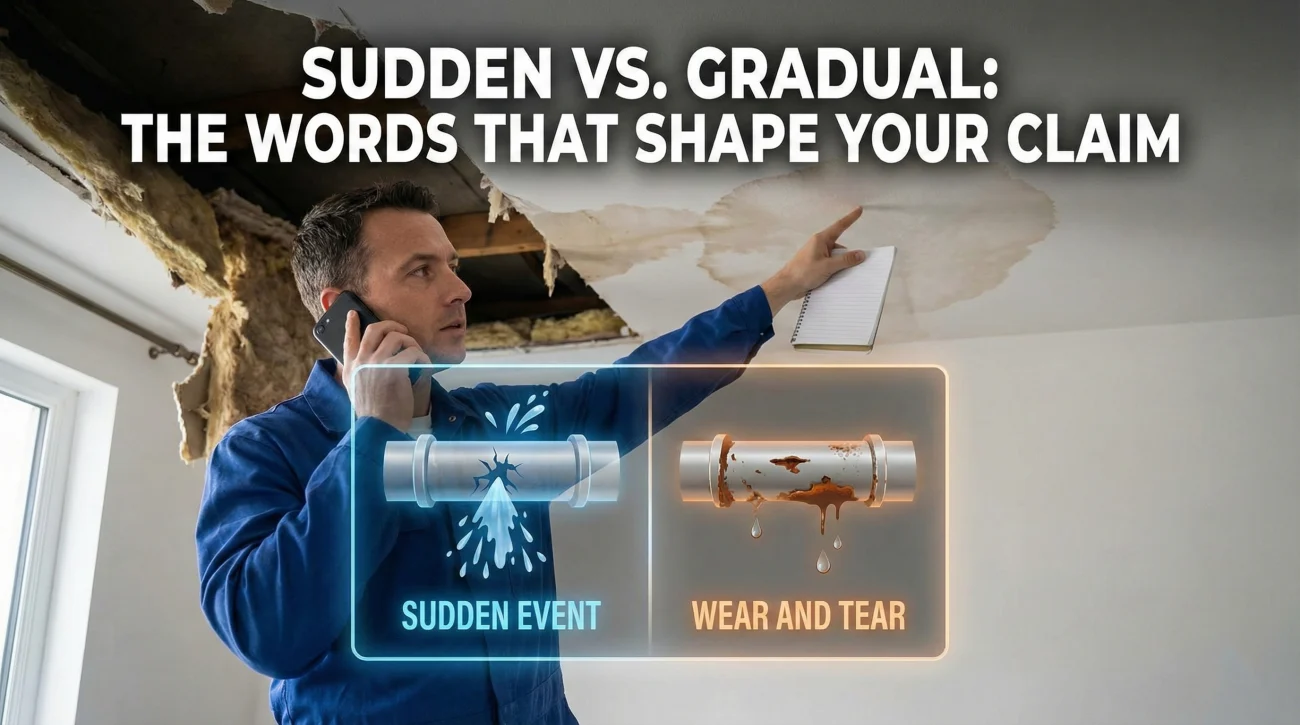
Insurance Definitions: “Sudden Damage” vs. “Wear and Tear”

Wear And Tear Vs Sudden Damage Insurance

When reporting a claim, your job is to state observable facts, not to diagnose the root cause of the damage. Avoid guessing how long a problem has existed; using words like “probably” or “must have been” can lead to inaccurate claim routing. If you do not know the exact cause or timeline, stating “I just … Read more

Water Damage vs. Flood Insurance: The Difference That Costs You

Water Damage Vs Flood Insurance

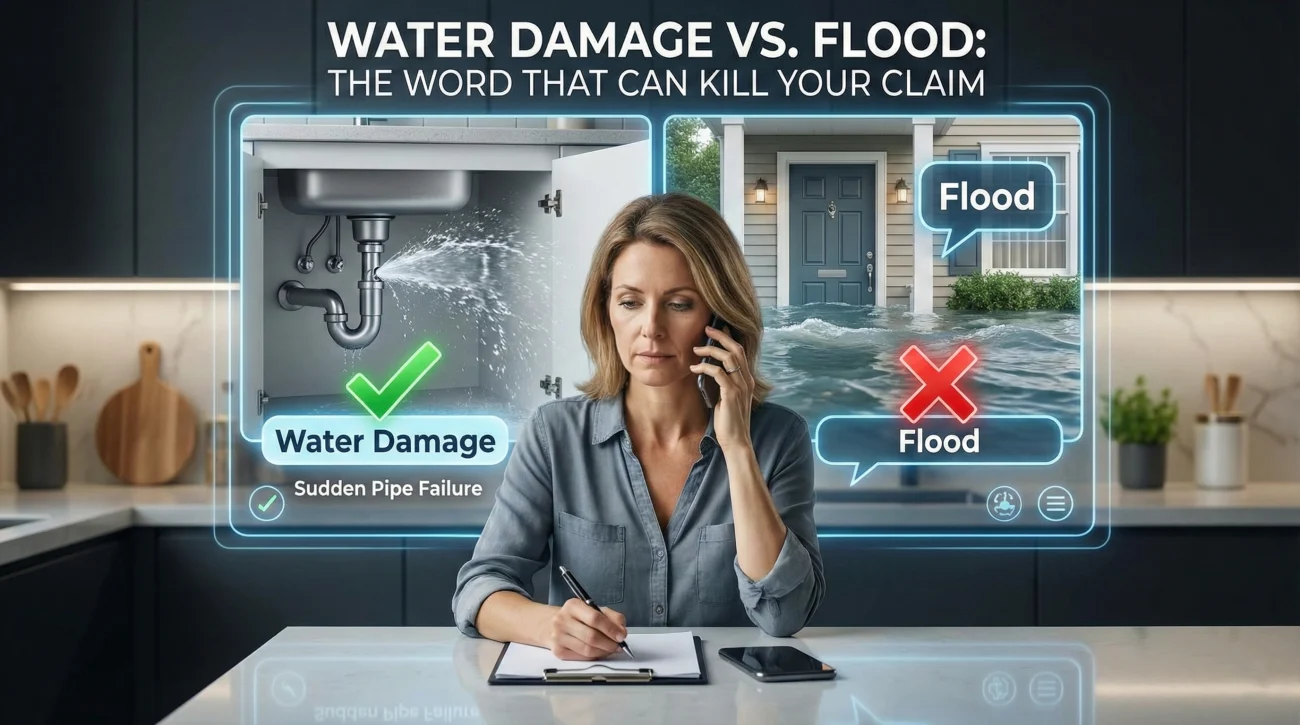
Avoid using the word “flood” casually when reporting a claim; in insurance operations, a flood means rising outdoor water, not a burst pipe. Describe the observable source of the water (e.g., a broken supply line) rather than the catastrophic result, to ensure your claim gets the correct routing label. Prepare your facts before you make … Read more

Is It Covered? Home Insurance Coverage Buckets Explained

Is This Covered By Homeowners Insurance

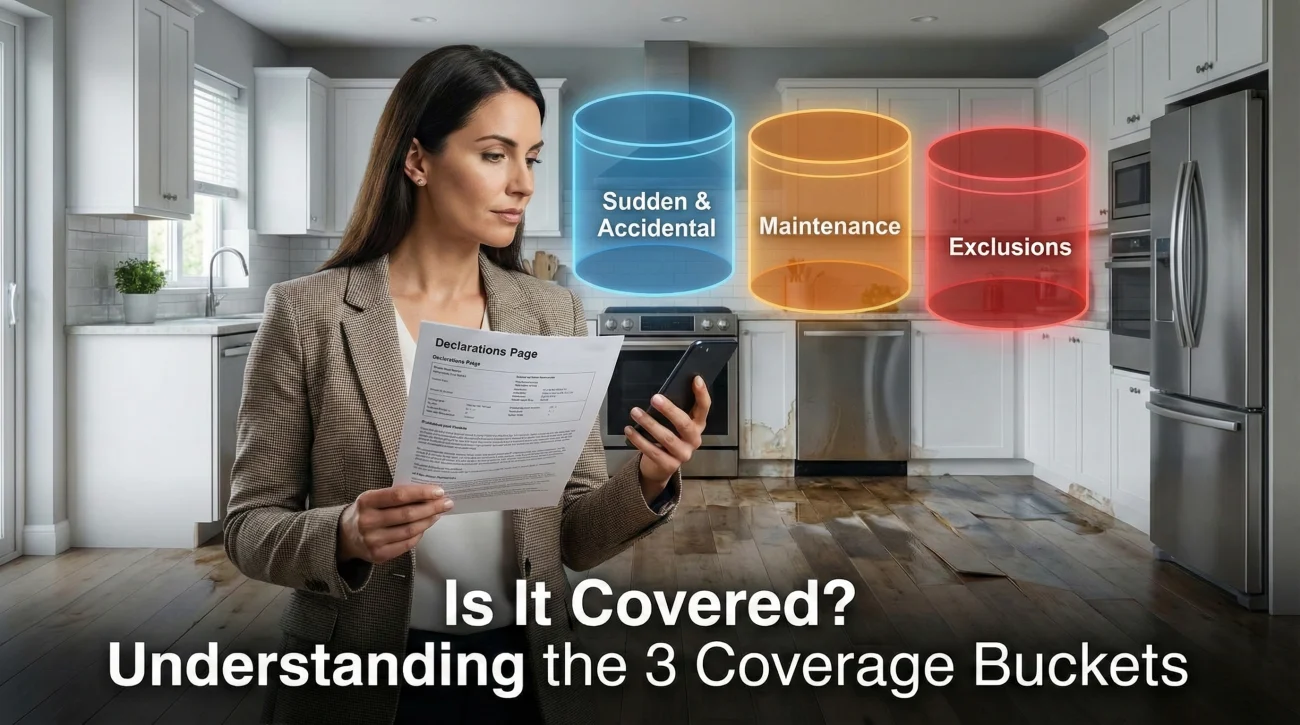
Filing a claim without knowing your coverage buckets can lead to unnecessary denials based on how you describe the damage. Insurance generally covers “sudden and accidental” events, but usually excludes “wear and tear” or maintenance issues. Separate what you saw from what you think happened. Stick strictly to observable facts when speaking to your agent … Read more

Insurance Claim Forms: Tracking the Paperwork That Arrives Day 2

Forms Sent After Filing A Claim

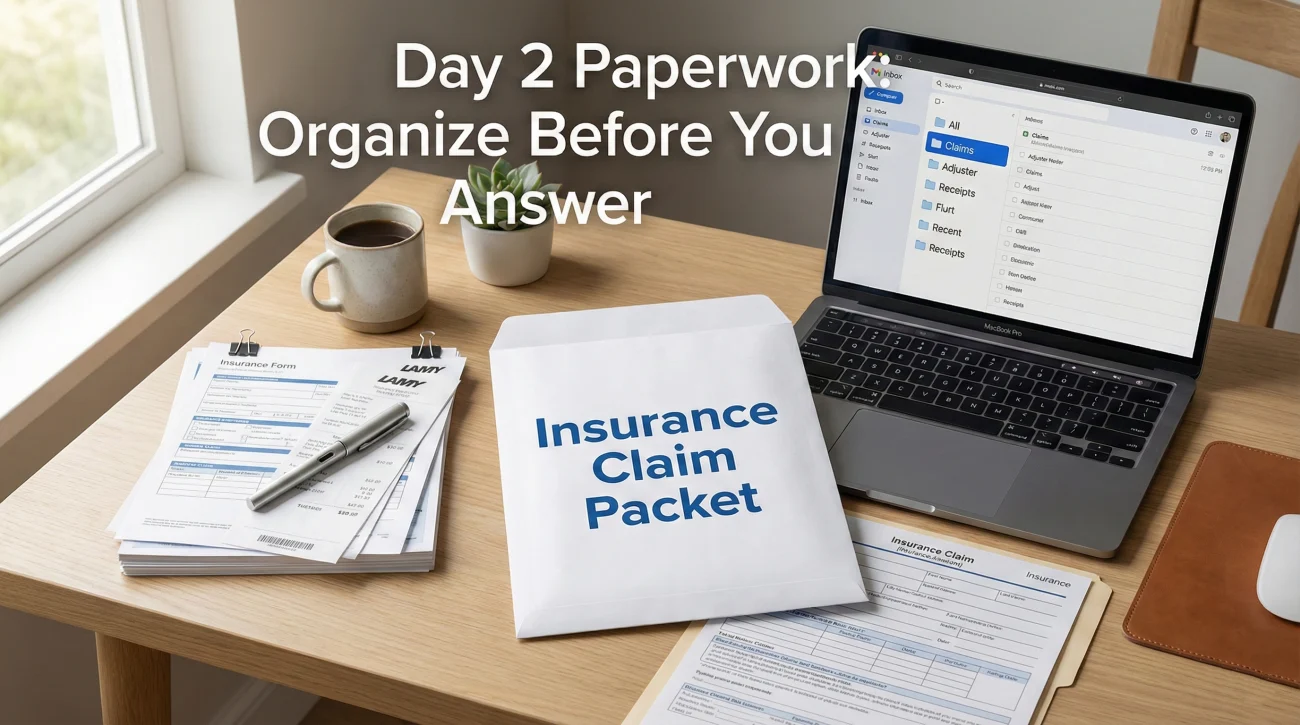
The forms sent after filing a claim are usually standard templates, not immediate demands for data you do not have yet. Do not rush to fill out complex forms like a Proof of Loss before you understand your total damages. Track them instead. Set up a simple logging system to record what you received, the … Read more

Insurance Recorded Statements: Trap or Routine? (How to Handle)

Recorded Statement Insurance Claim

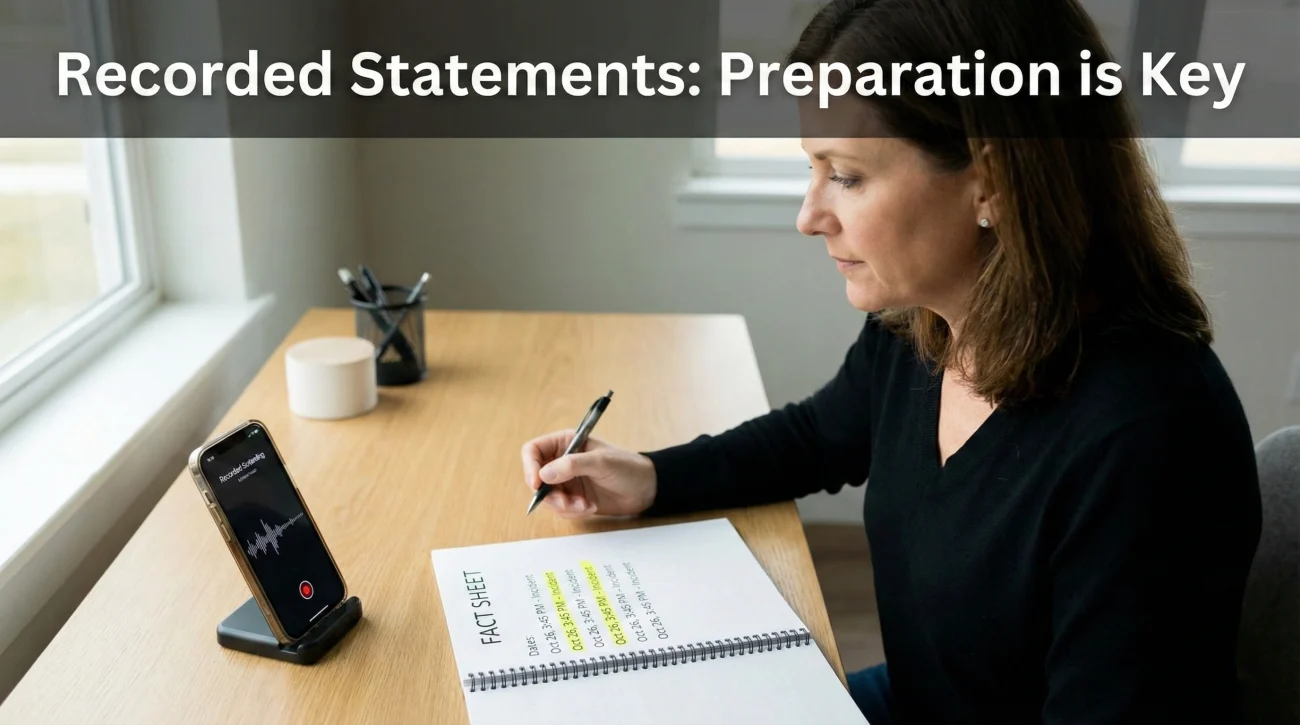
A recorded statement is a routine system requirement for the adjuster, but it creates a permanent record of your claim details that you cannot easily change later. You do not have to give the statement the exact second the adjuster calls; you have the right to schedule it for a time when you have your … Read more

Calling Your Insurance Agent First: The “Off-the-Record” Chat

Call Agent Before Filing Claim

Calling your agent to ask questions is often smart, but you must control the phrasing to avoid accidentally opening a formal claim before you are ready. Insurance systems track “inquiries” and “claims” differently. Once you state a specific date of loss and cause of damage, a claim record is usually triggered automatically. Always prepare a … Read more

Insurance Claim File Setup: Organizing Your “Day 1” Folder

Insurance Claim Intake File Setup

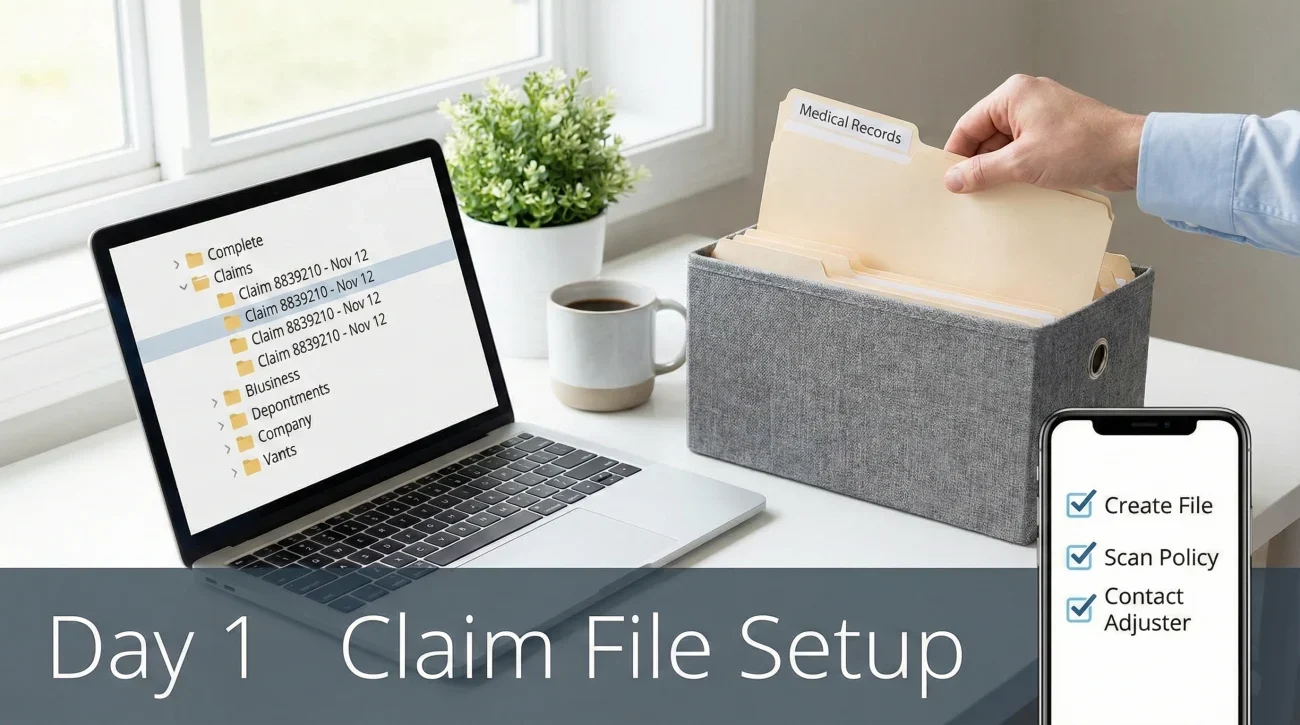
Your insurance claim file setup on day one determines how smoothly your entire process will go. Relying on memory or a single email inbox is a major cause of delays. Create exactly four folders to start: Intake Notes, Contacts, Appointments, and Requests. This prevents document scatter and keeps your facts straight. Log your claim number … Read more

Choose a Communication Channel: Portal, Email, or Phone (Intake Decision)

Choose Communication Channel For Insurance Claim

Choosing one primary communication channel on Day 1 prevents your claim file from becoming fragmented across different systems. Phone calls are best for urgent intake, but they create zero paper trail unless you summarize them in writing immediately. Email is the operational standard for creating a verifiable, easily searchable history of your entire claim. Insurance … Read more

No Insurance Adjuster Assigned? How to Check If You’re Ignored

No Adjuster Assigned Yet

A missing adjuster name on day one or two is usually a routing delay, not an intentional freeze on your file. Before following up, verify your First Notice of Loss (FNOL) confirmation receipt and check your spam folders for portal registration links. Use a polite, factual script to ask the general claims line for your … Read more

Correcting Insurance Claim Errors: Wrong Date, Address, or Policy

Correcting Insurance Claim Errors

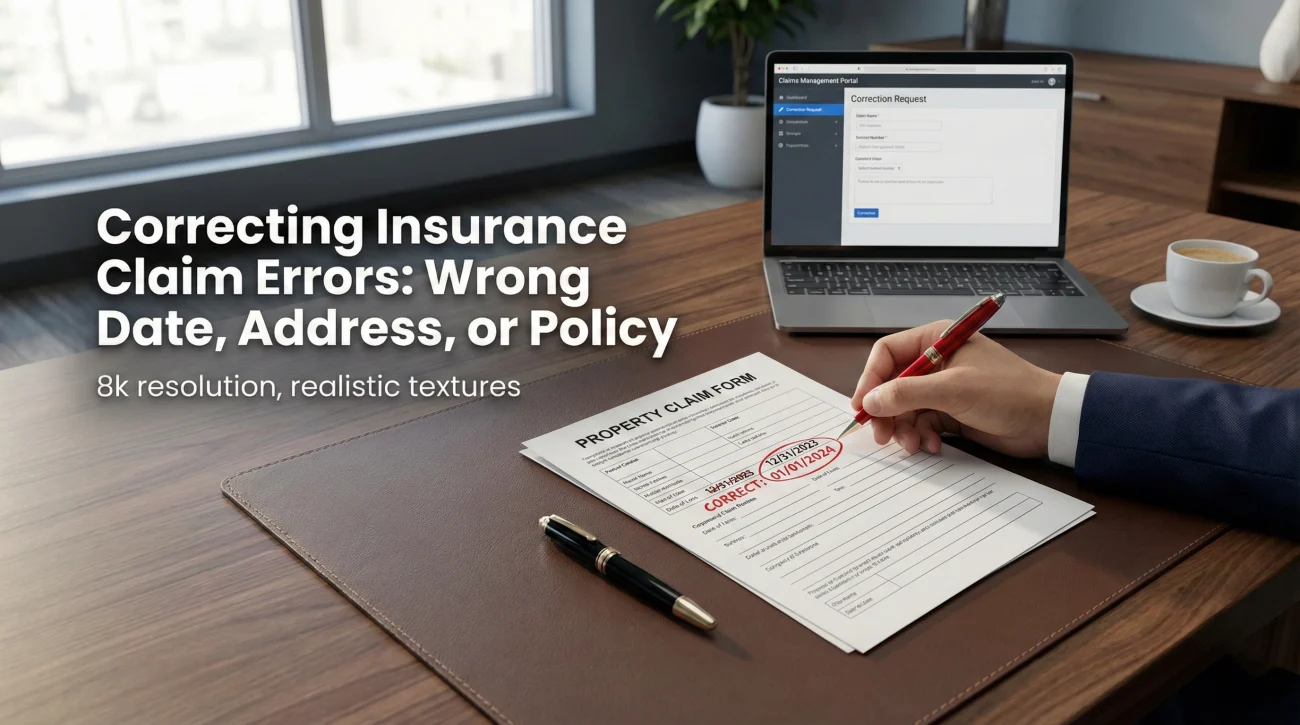
Data entry errors happen frequently during the initial claim intake call. Do not panic; treat it as an administrative task, not an immediate denial. The three most critical errors to fix immediately are the Date of Loss, the Property Address, and the Policy Number. Never rely on a phone call alone to fix a mistake. … Read more

Emergency Repairs Before Inspection: Fixing Without Voiding Coverage

Emergency Repairs Before Insurance Inspection

Your insurance policy typically requires you to stop further damage (mitigation), but making permanent repairs before an inspection can jeopardize your coverage. Before paying a crew for emergency fixes, you must get clarity on specific limits, permission boundaries, and receipt requirements from your claims representative. Never throw away the broken parts that caused the damage … Read more

Scheduling the Insurance Adjuster: Don’t Just Say “Whenever”

Scheduling Insurance Adjuster Inspection

The Trap: Telling an adjuster to “come whenever” usually leads to a rushed inspection and missed damage. The Fix: Treat the scheduling call as a business transaction where you confirm the scope, the timing, and the specific areas needing access. The Output: A written text or email confirming exactly when they will arrive and what … Read more

What Happens After You File: A Simple Claim Timeline Overview

What Happens After You File An Insurance Claim

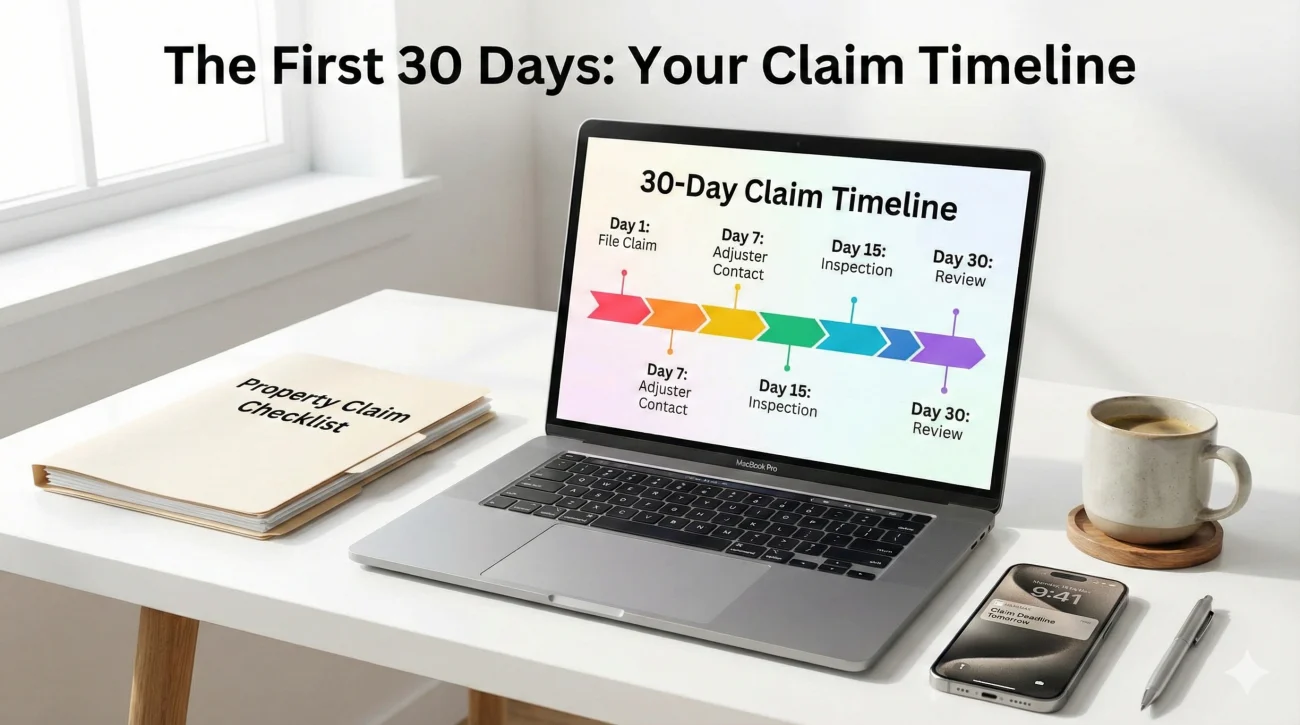
The “Triage” Reality: Your claim isn’t assigned instantly. It goes into a digital hopper. If you hear nothing for a few days, it often just means the “matching algorithm” is still finding an available adjuster. The “Undisputed” Check Myth: Cashing the first check does NOT mean you agree the claim is over. It is just … Read more

Insurance Claim Call Notes: What to Write Down on Day 1

Claim Call Notes What To Write Down

The “Golden 5”: I never consider a call complete until I have the Date, Time, Rep Name, Claim Number, and Next Step written down. The “Scrap Paper” Risk: Information written on envelopes gets thrown away. I urge you to use one dedicated notebook or digital note from minute one. Verbal is not valid: If a … Read more