
Insurance Definitions: “Sudden Damage” vs. “Wear and Tear”
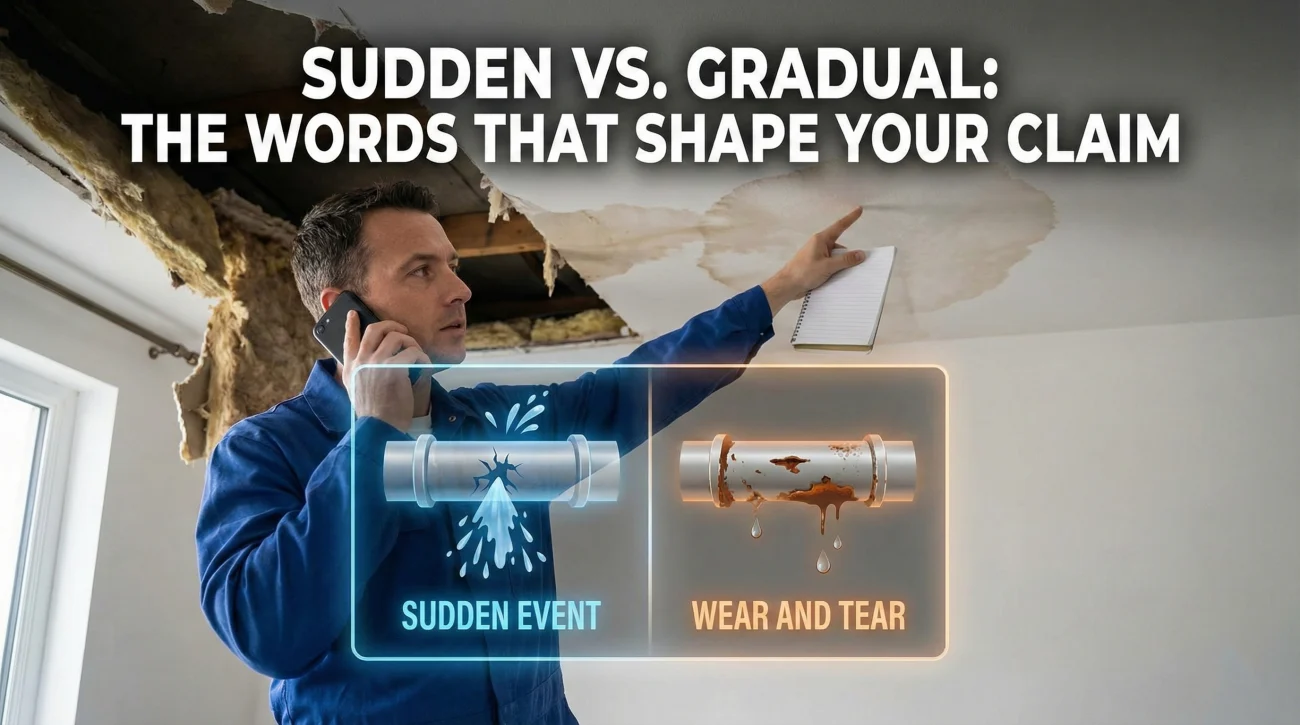
Wear And Tear Vs Sudden Damage Insurance

When reporting a claim, your job is to state observable facts, not to diagnose the root cause of the damage. Avoid guessing how long a problem has existed; using words like “probably” or “must have been” can lead to inaccurate claim routing. If you do not know the exact cause or timeline, stating “I just … Read more
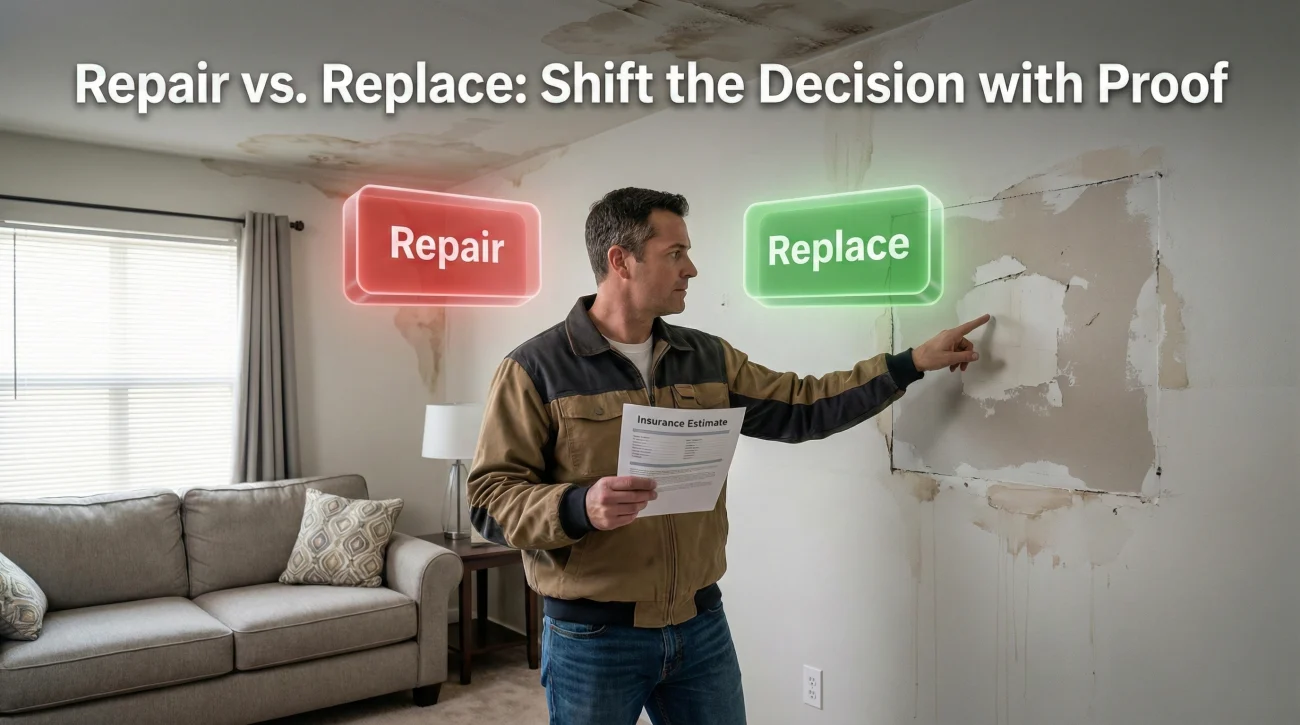
Repair vs. Replace: How to Argue for Replacement in Insurance Claims

Repair Vs Replace Decision Insurance Claim

The Core Conflict: Estimates often default to “repair” because it is the baseline standard, but physical field constraints often make partial fixes impossible. Three Distinct Angles: Understand the difference between repairability (it physically breaks), matching (materials no longer exist), and code (local laws prevent partial fixes). The Domino Effect: Often, the process of repairing one … Read more

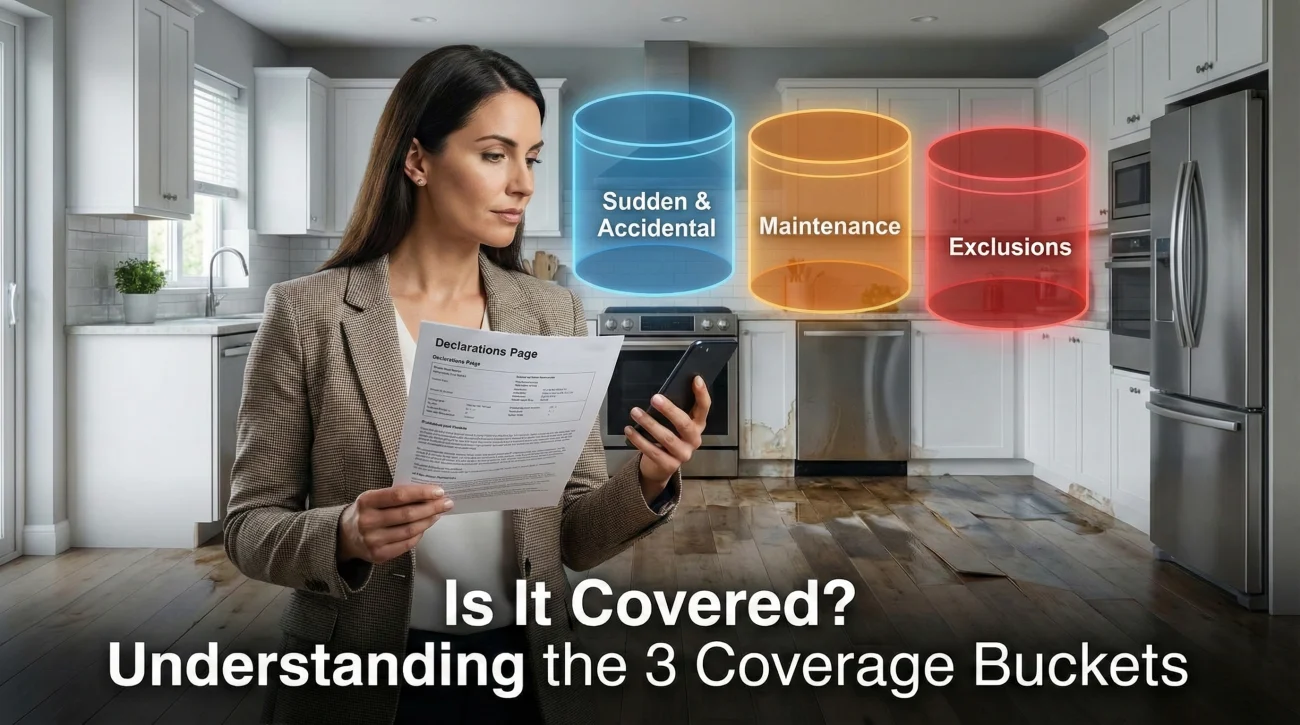
Is It Covered? Home Insurance Coverage Buckets Explained

Is This Covered By Homeowners Insurance

Filing a claim without knowing your coverage buckets can lead to unnecessary denials based on how you describe the damage. Insurance generally covers “sudden and accidental” events, but usually excludes “wear and tear” or maintenance issues. Separate what you saw from what you think happened. Stick strictly to observable facts when speaking to your agent … Read more