Correcting Claim Errors: How to Fix Paperwork Without Red Flags
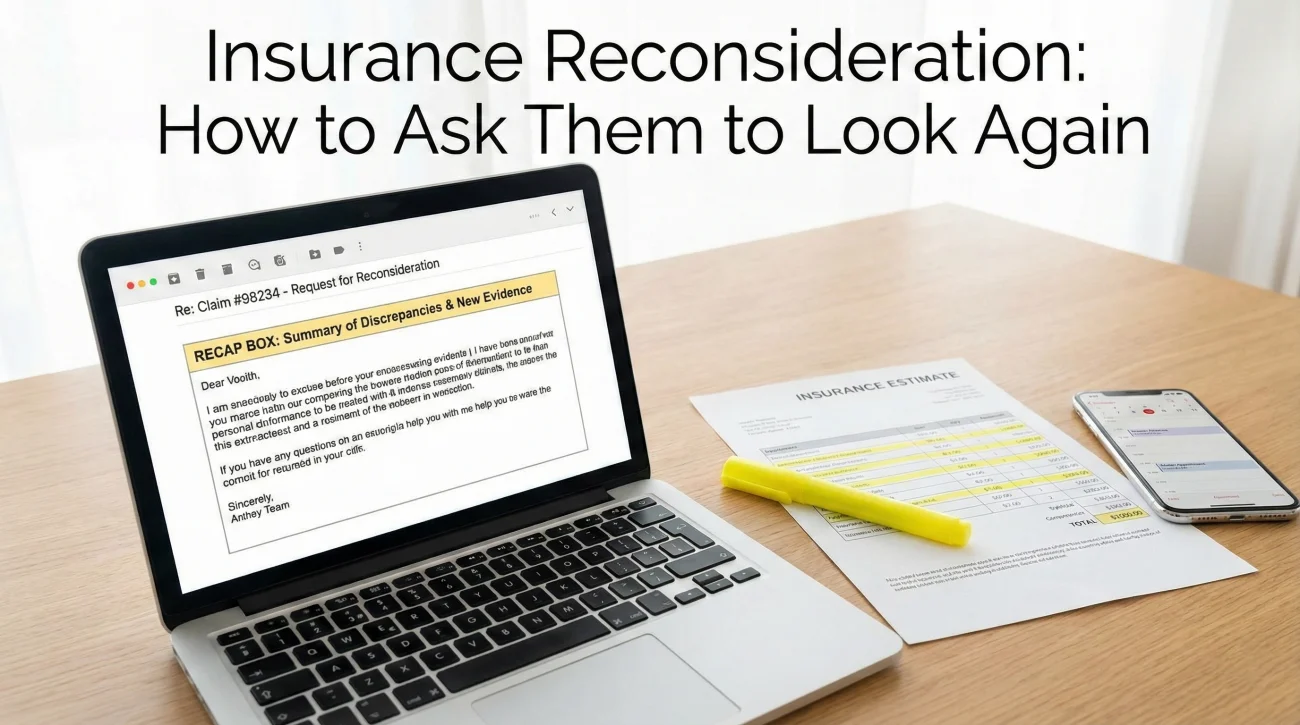
Correcting Insurance Claim Mistakes

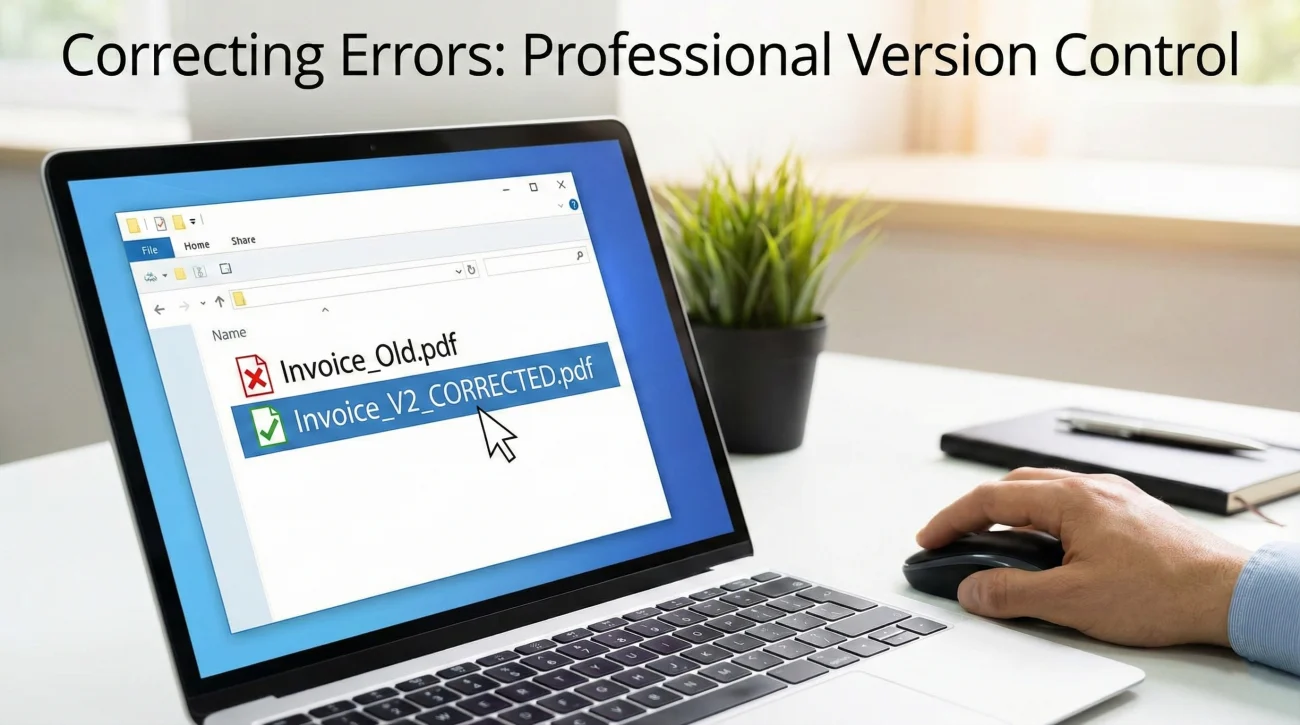
Patience over speed: While it is tempting to send a quick apology, I have found that waiting until the corrected document is fully ready prevents a confusing trail of multiple “oops” emails. Clear versioning is your best tool: By adding “V2” or “CORRECTED” to your filenames, you help the insurance intake system distinguish the new … Read more
Date of Loss Documentation: Why Inconsistent Dates Kill Claims

Date Of Loss Documentation

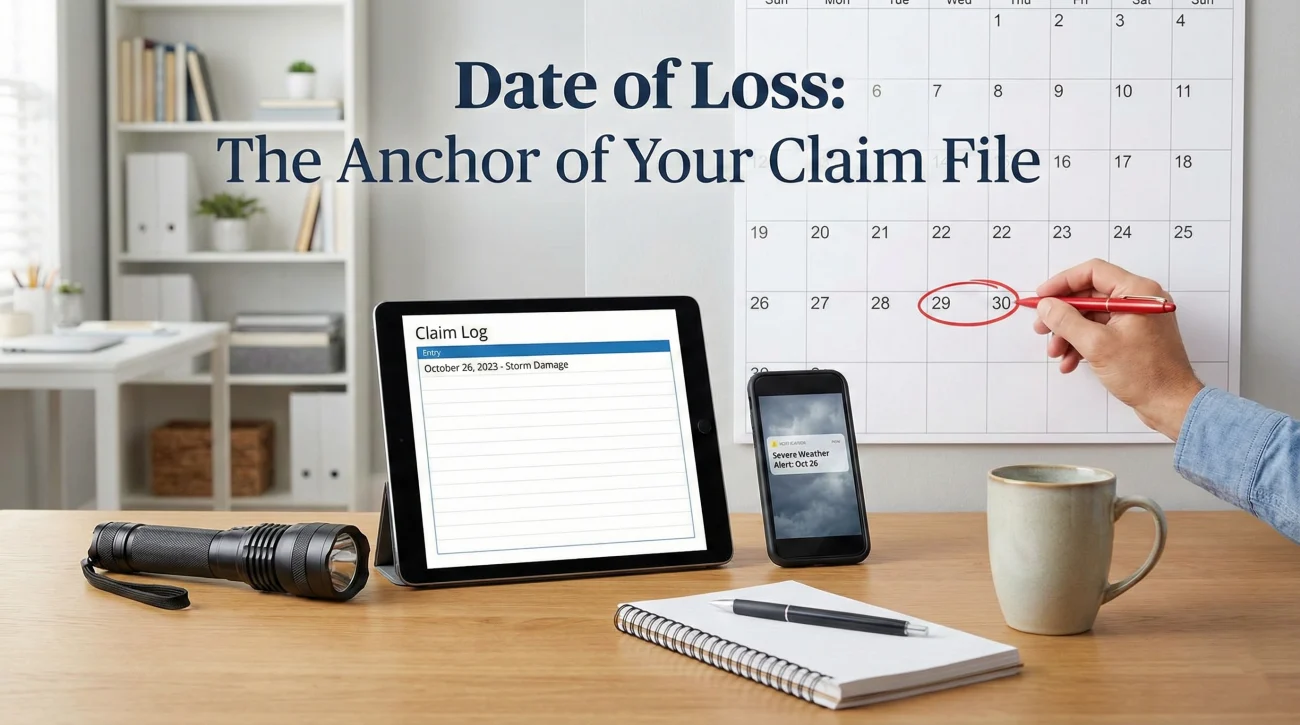
Your date of loss documentation is the chronological anchor for your entire claim file. Inconsistent dates across different documents are a primary cause of process delays. Always distinguish between the date the damage “occurred” and the date it was “discovered.” Documenting this difference clearly prevents confusion. Review every third-party document (contractor estimates, mitigation invoices) to … Read more

ALE Reimbursement Delays: Getting Paid for Temporary Housing Bills

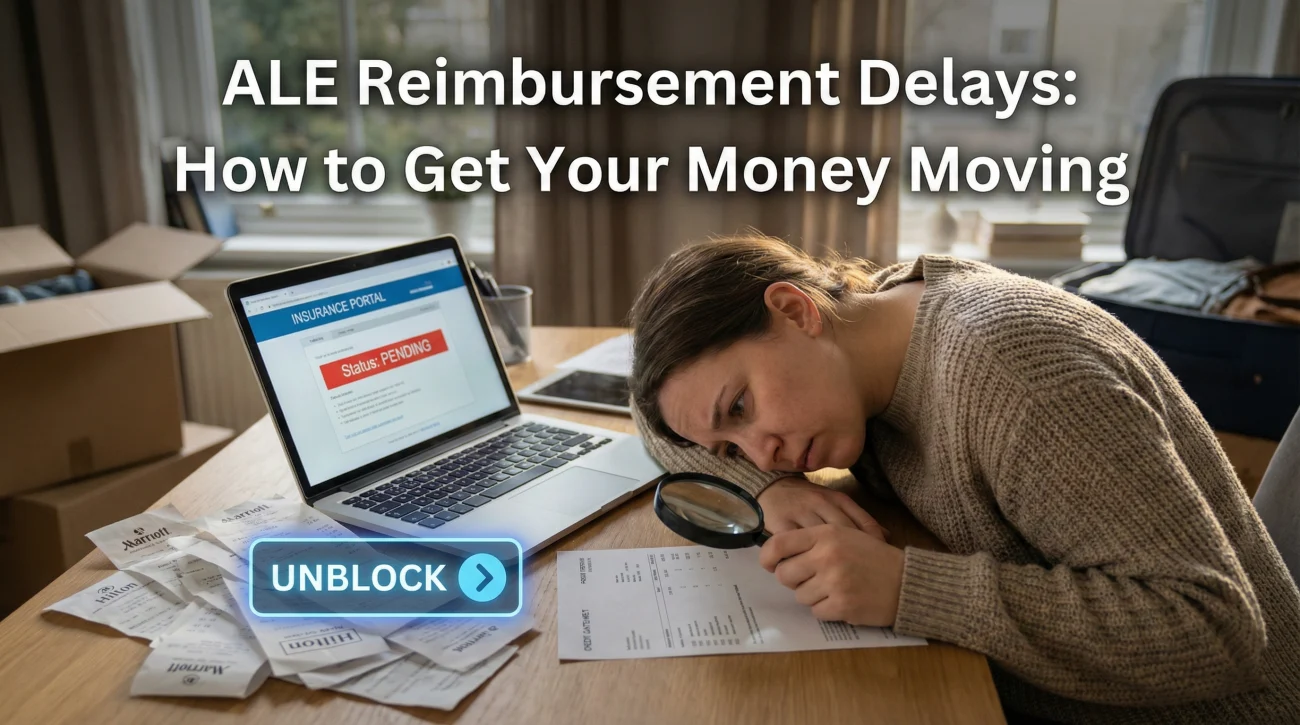
ALE Reimbursement Delay

Additional Living Expense (ALE) reimbursements usually stall for operational reasons, not coverage disputes. A single blurry receipt or an unapproved $10 line item can hold up an entire $4,000 monthly batch. When your temporary housing check is delayed, asking general status questions rarely helps. Asking specific operational questions can help extract the “missing items” list … Read more

Repeated Document Requests: How to Respond Without Resending Everything

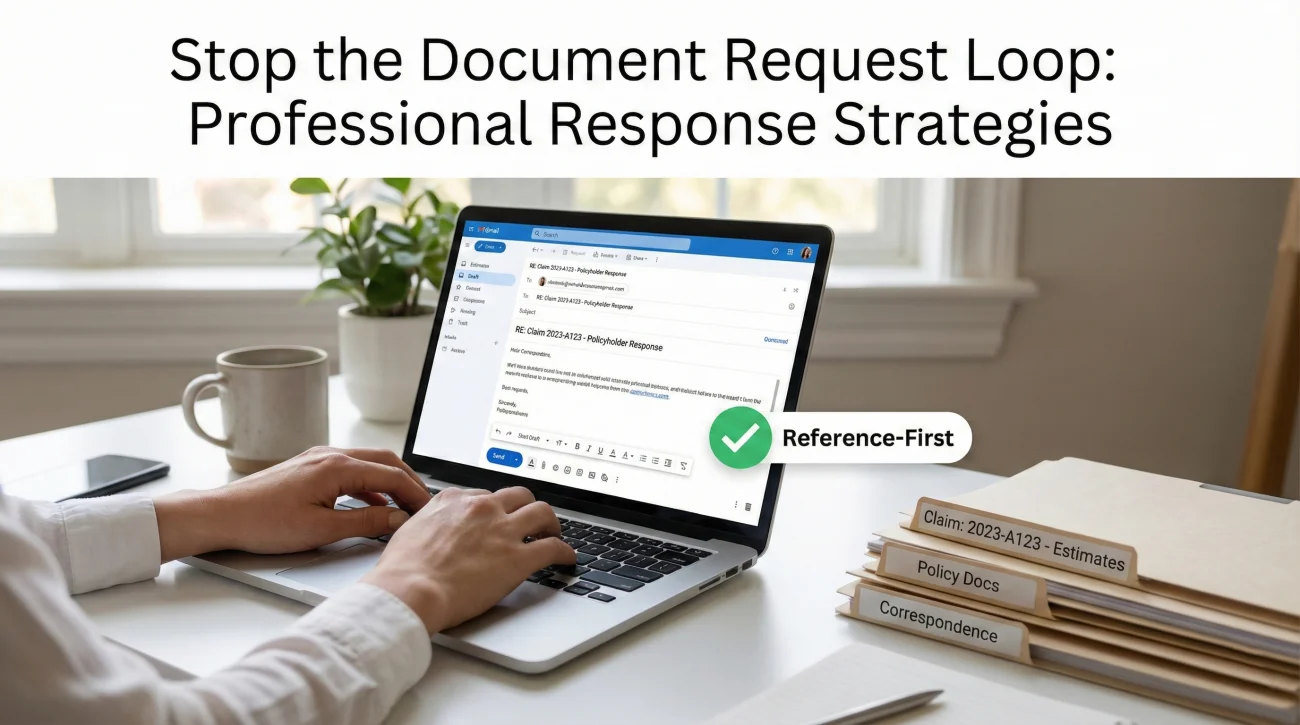
Adjuster Keeps Asking For Same Documents

When an adjuster asks for documents you have already sent, it is rarely an intentional delay tactic; it is usually an administrative glitch, a desk handoff, or a file naming issue. Do not simply forward the old email. Use a “Reference-First” response protocol to point out the exact date, time, and method of your original … Read more

Insurance Supplement Timeline: How Long Does Review Take?

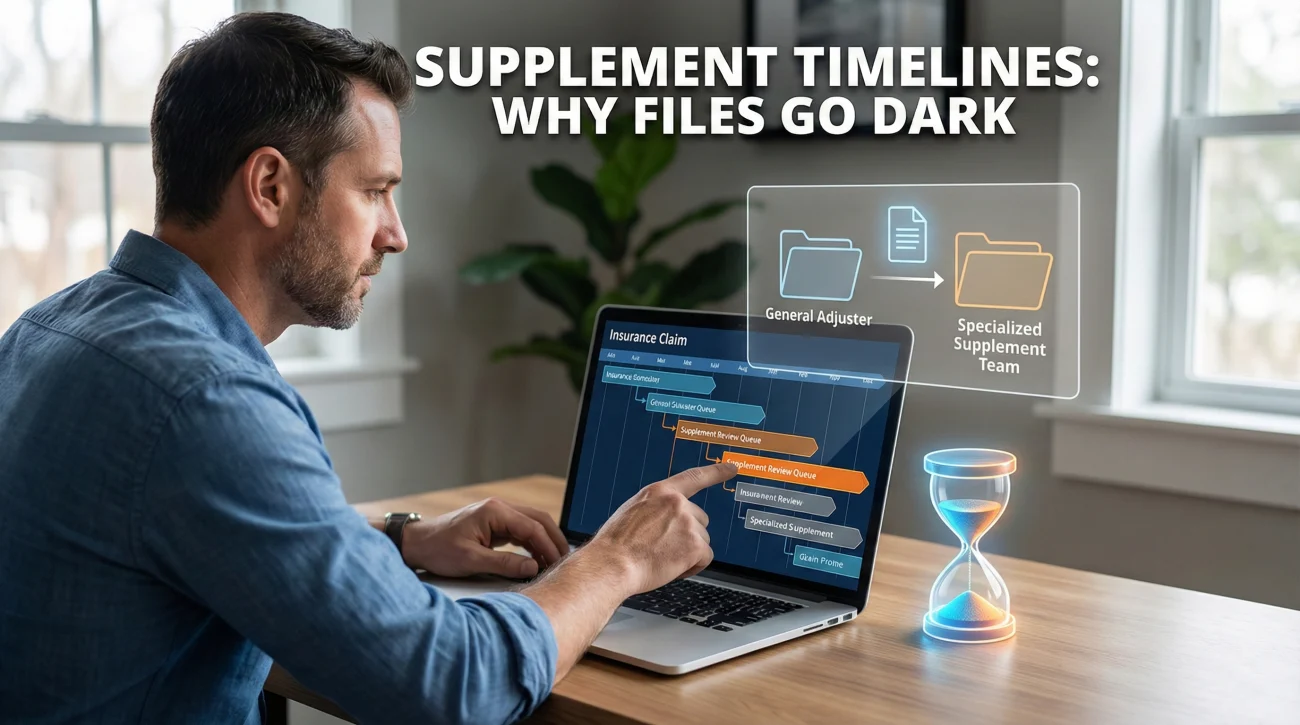
Supplement Review Timeline Questions

Filing a supplement often moves your claim out of your main adjuster’s hands and into a specialized review queue, which is why timelines suddenly become vague. To get a real timeline, you must ask specific supplement review timeline questions that identify the exact desk currently reviewing your file. Do not stop at “it is under … Read more

Insurance Escalation Checklist: When Are You Ready to Demand a Manager?

When To Escalate Insurance Claim Internally

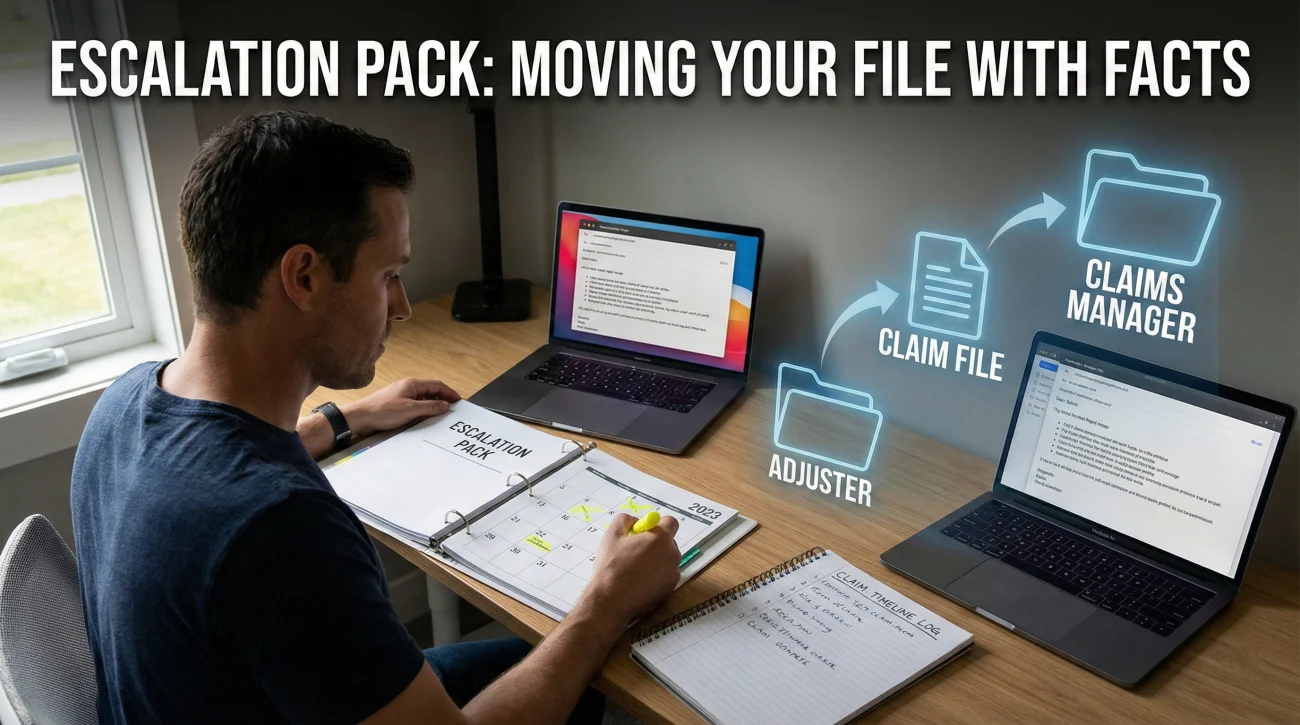
Escalating an insurance claim is an operational process, not an emotional reaction. Screaming for a manager rarely works. You must hit specific, measurable triggers before escalating, such as broken timeline promises or repeated requests for the same documents. Never ask for a supervisor without your “Escalation Pack” ready: a clear timeline log, a list of … Read more

Final Invoice Higher Than Insurance Estimate: Proving the Difference

Final Invoice Higher Than Insurance Estimate

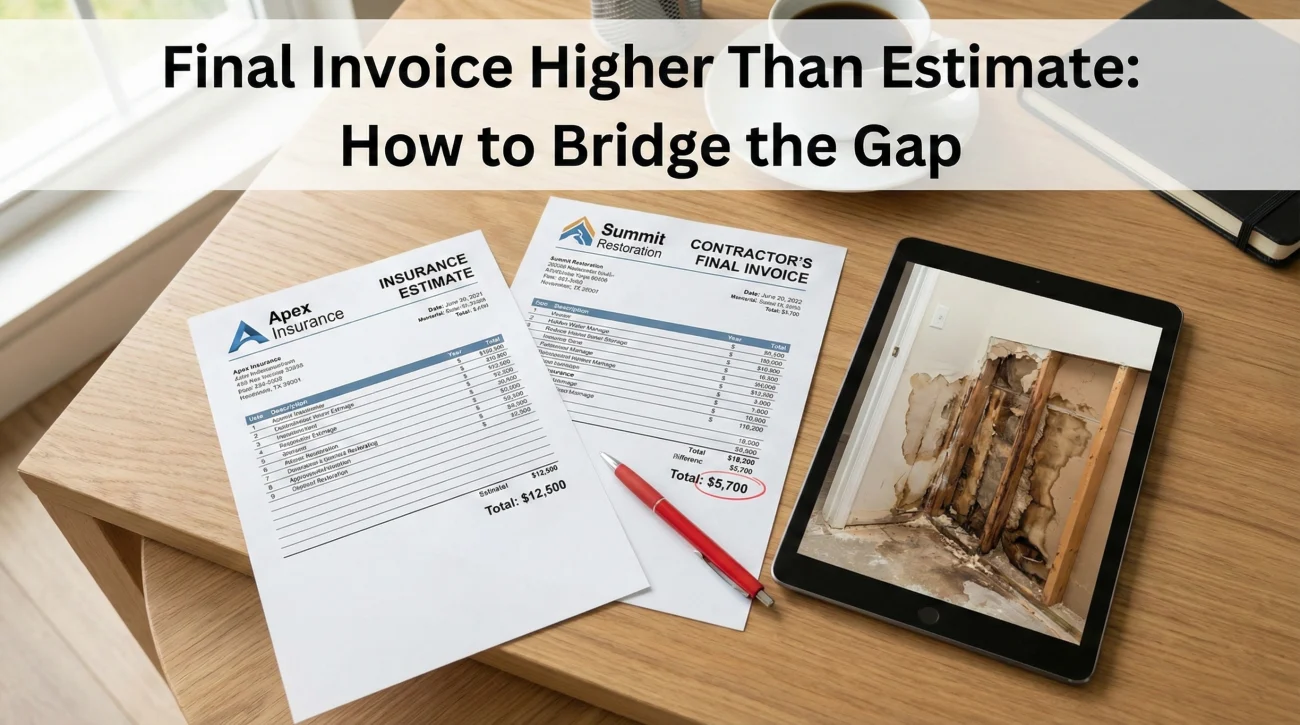
Reviewers cannot approve a higher final invoice based on price alone; you must categorize the difference as specific changes in the physical scope of work. Always separate your contractor’s final bill into clear “Delta Categories” such as hidden damage, code upgrades, or missing detach-and-reset operations. A higher final invoice is often ineffective without a supporting … Read more

Waiting on Vendor Reports: Don’t Let Third Parties Stall Your Claim

Waiting On Vendor Report Insurance Claim

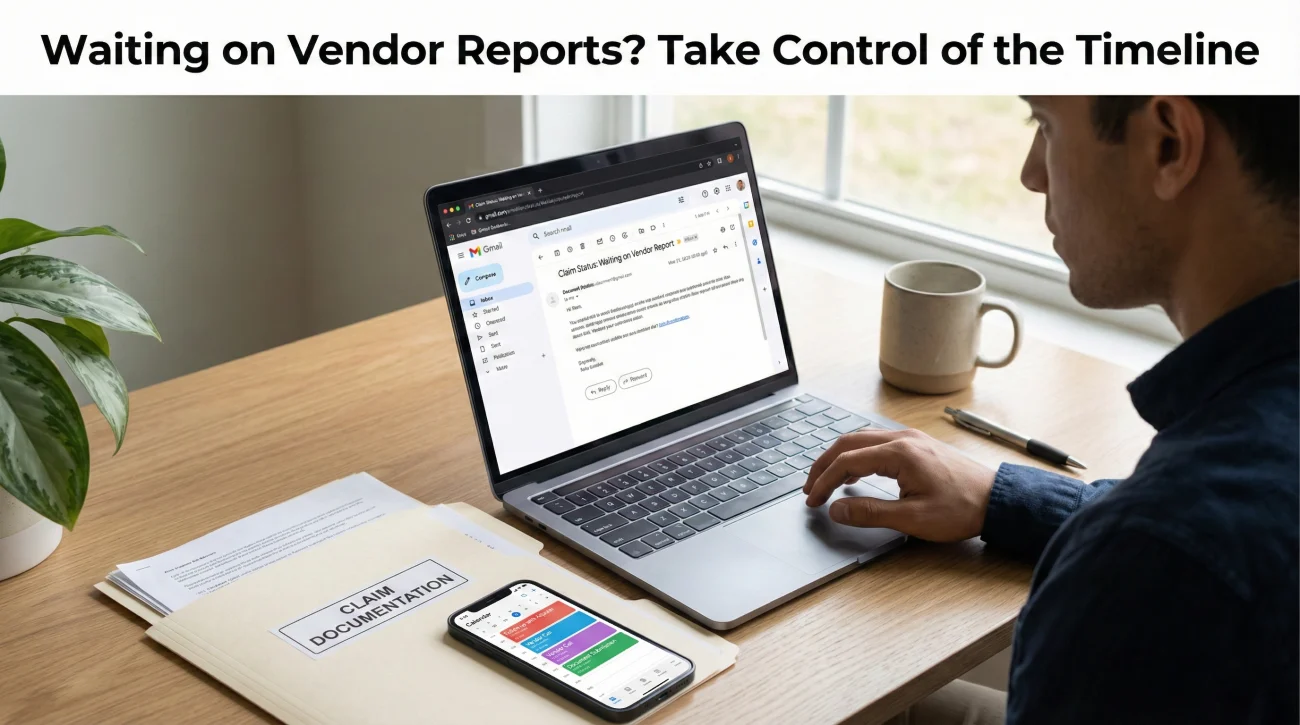
“Waiting on a vendor report” is the most common operational excuse for a stalled insurance claim, but you do not have to wait passively. Insurance adjusters rarely chase third-party vendors proactively; you must create a communication loop that forces visibility. Always collect the direct contact information and expected report delivery date from any vendor before … Read more