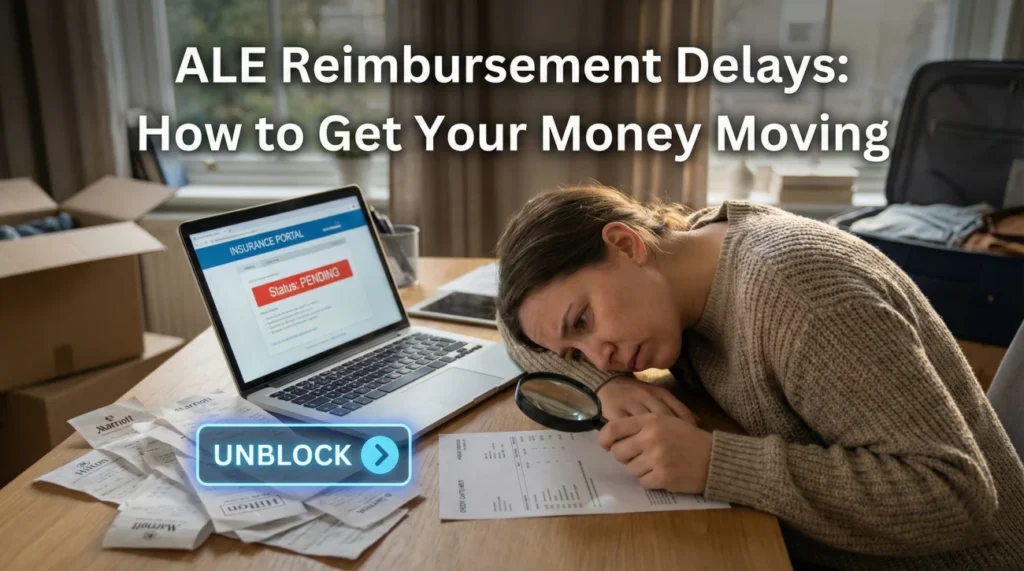
- Additional Living Expense (ALE) reimbursements usually stall for operational reasons, not coverage disputes. A single blurry receipt or an unapproved $10 line item can hold up an entire $4,000 monthly batch.
- When your temporary housing check is delayed, asking general status questions rarely helps. Asking specific operational questions can help extract the “missing items” list and establish a processing Estimated Time of Arrival (ETA).
- Rather than waiting for the adjuster to figure out a discrepancy, consider using a “partial release” request to get the undisputed funds flowing while you clarify the problematic receipts.
The Unique Stress of Floating Temporary Housing Costs
In day-to-day claims operations, there is a distinct difference between a delayed structural estimate and a delayed Additional Living Expense (ALE) reimbursement. When the estimate for your drywall is delayed, it is incredibly frustrating, but your house simply sits unfinished. When your ALE reimbursement is delayed, you are actively floating thousands of dollars on your personal credit cards for hotels, rental deposits, and food differentials. The financial pressure is immediate and terrifying.
I have watched homeowners max out their credit limits simply because an insurance processor paused a monthly housing reimbursement over a minor clerical error. The hardest part of this situation is the silence. You submit your receipts, you wait, the credit card bill comes due, and you hear nothing back.
To get your ALE payments moving, it helps to understand how the system processes these specific funds. The representative handling your receipts is often not the same field adjuster who inspected your roof. ALE is typically routed to a specialized desk or even a third-party temporary housing vendor. They process thousands of receipts a week in massive batches. If you want your money released, transitioning from general status questions to targeted operational inquiries can help find exactly what is holding up the batch.
The “All-or-Nothing” Batch Trap
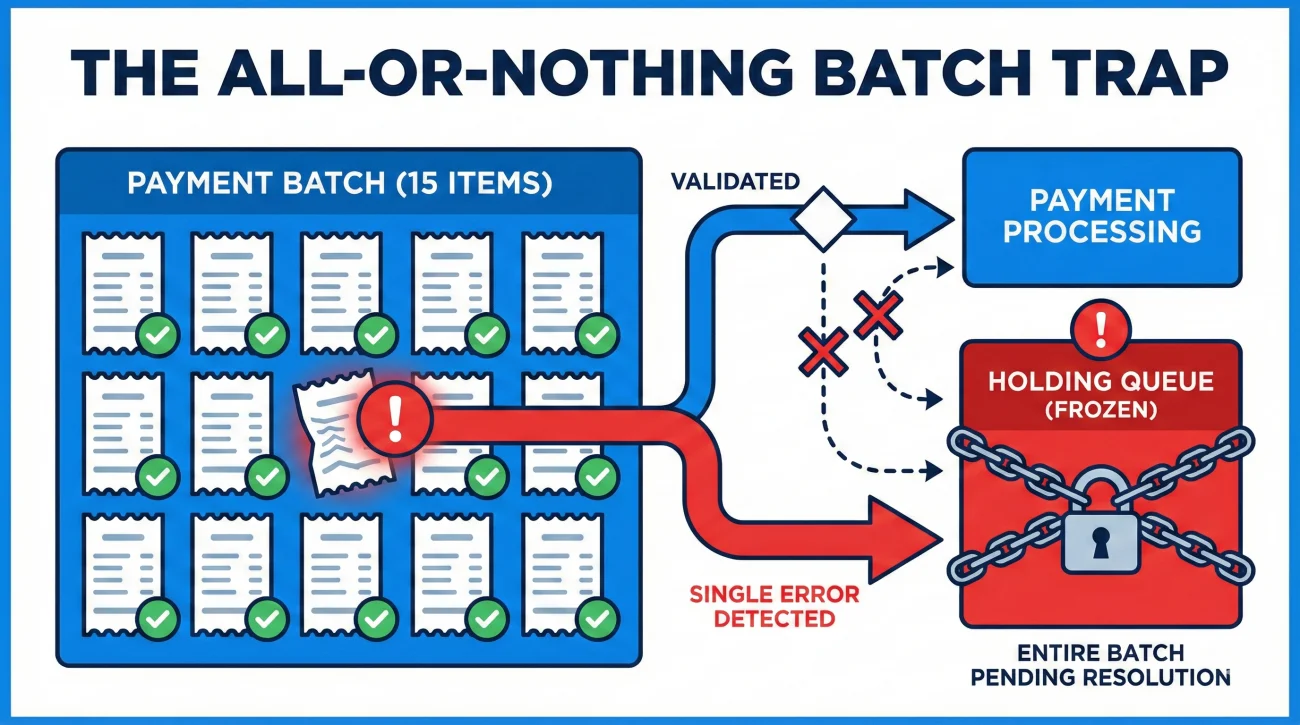
To effectively unblock your money, it is useful to understand a concept I call the “All-or-Nothing Batch Trap.” When you submit a month’s worth of expenses (a hotel invoice, a rental furniture bill, and fifteen grocery receipts), the processor opens that digital file as a single batch.
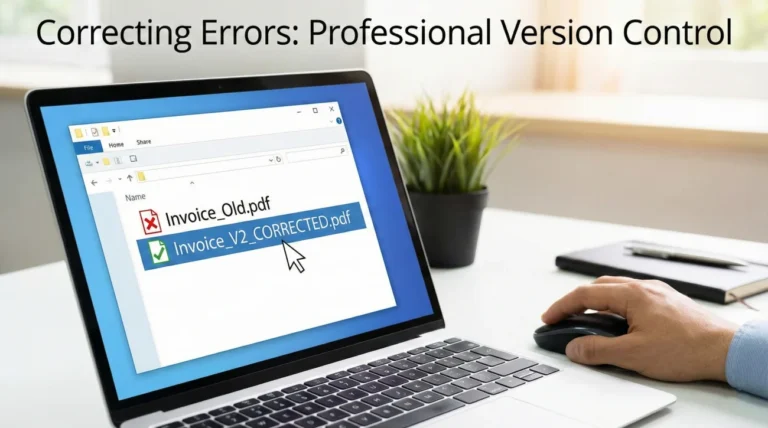
Their software workflow requires them to verify every single line item before they can click “approve” on the overall submission. If fourteen of your grocery receipts are perfectly legible, but the fifteenth is crumpled and missing the date, the processor usually cannot simply ignore it. In many systems, they are required to flag the batch for “Pending Clarification.”
Here is where the breakdown happens: the system flags the file, but it does not always automatically generate an email to tell you that receipt number 15 is the problem. The file simply drops into a holding queue. The processor moves on to the next claim, assuming the primary adjuster will reach out to you, while the primary adjuster assumes the ALE desk is handling it. Meanwhile, your entire $5,000 reimbursement sits in limbo over a $40 grocery bill.
The Core Questions to Extract the “Missing List”
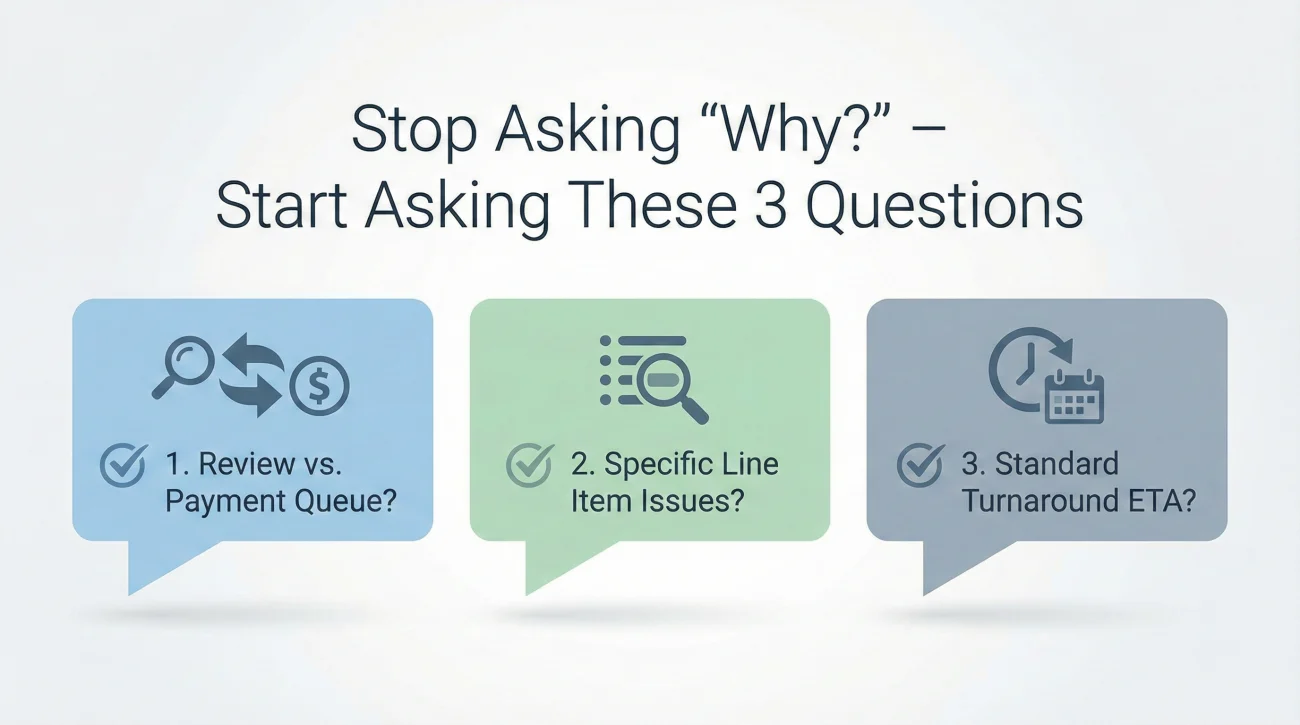
When you contact the adjuster to follow up on a delayed housing check, your phrasing influences the outcome. If you call and say, “I submitted my hotel receipts three weeks ago, why haven’t I been paid?”, you are inviting a generic answer. A busy representative will likely look at the system, see the pending flag, and tell you it is under review.
To move past the generic “under review” status, you can ask operational questions that prompt the representative to open the batch, look at the line items, and identify the exact bottleneck.
Here is the sequence of questions I recommend using to gain clarity:
- ✅ “Can you confirm if my submission from [Date] is in the review queue or the payment queue?” This helps establish whether the delay is in auditing the receipts or waiting for the accounting department to cut the check.
- ✅ “Are there any specific line items, blurred images, or unapproved categories holding up the batch?” This question often encourages them to look at the receipt level rather than just the high-level claim status.
- ✅ “What is the standard processing turnaround time once a batch enters this specific status?” You are asking them to state their internal operational baseline so you have a realistic expectation.
What Counts as “Approved” vs. “Pending Payment”
When you ask about the queue, it helps to know the difference between these two statuses. “Approved” usually means the desk adjuster has finished auditing your receipts and agrees the expenses are valid. However, that does not mean the check is in the mail. “Pending payment” means the file has been routed to a separate accounting or disbursement department to actually cut the check or initiate the transfer. Clarifying which stage you are in helps you know whether you need to fix a receipt or simply wait for the bank.
Scripting Your Request for an ETA
While phone calls are useful for immediate clarification, having this conversation in writing creates a helpful timestamped record of the delay and your active effort to resolve it. If the delay drags on, a written trail of your requests for a “missing items list” is very useful.
Here is a neutral script you can use to prompt action on a stalled ALE batch. Notice how it avoids emotional language and focuses purely on workflow.
Hello [Adjuster Name],
I am following up on the temporary housing and expense receipts I submitted on [Date of Submission]. As it has been [Number] days, I want to ensure my file isn’t stalled due to a clerical issue.
Could you please review the batch and let me know if there are any specific line items, blurry receipts, or unapproved expenses that are pending clarification? If the submission is incomplete, please provide the exact list of missing items so I can correct it immediately.
If the batch is fully approved and simply awaiting payment, could you provide an ETA on when the accounting department will release the funds?
Thank you for your help keeping this moving,
[Your Name]
This script is helpful because it gives the adjuster a clear out. If they lost a receipt, you are offering to fix it smoothly. If it is just stuck in accounting, you are gently prompting them to get a timeline from that department.
Two Common ALE Bottlenecks (And How to Unblock Them)
Even with good communication, specific types of expenses tend to get caught in the system more often than others. Here are two common scenarios I see regularly and the questions that usually unblock them.
Case 1: The Missing “Food Differential” Baseline
Your policy typically covers the extra cost of eating out, not your entire food bill. If you submit restaurant receipts without first establishing your normal monthly grocery baseline, the processor cannot calculate the difference, so they often just hold the batch. If your food receipts seem ignored, ask: “Do you need me to provide a baseline grocery estimate before you can process the dining differential?”
Case 2: The Disbursement Address Error
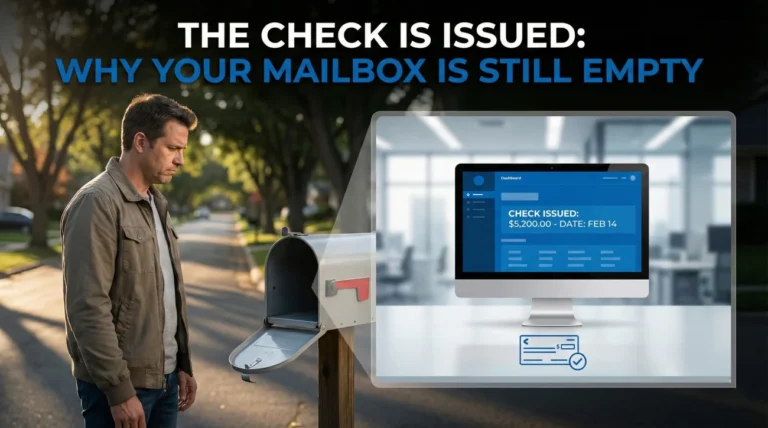
Sometimes your batch is fully approved and accounting has issued the payment, but the check never arrives. This often happens because the main claim system has your damaged property address on file, and the separate disbursement system was never updated with your temporary hotel or rental address. If the ETA has passed, ask: “Can you please verify the exact mailing address the disbursement system used to mail this specific check?”
The “Partial Release” Request for Disputed Items
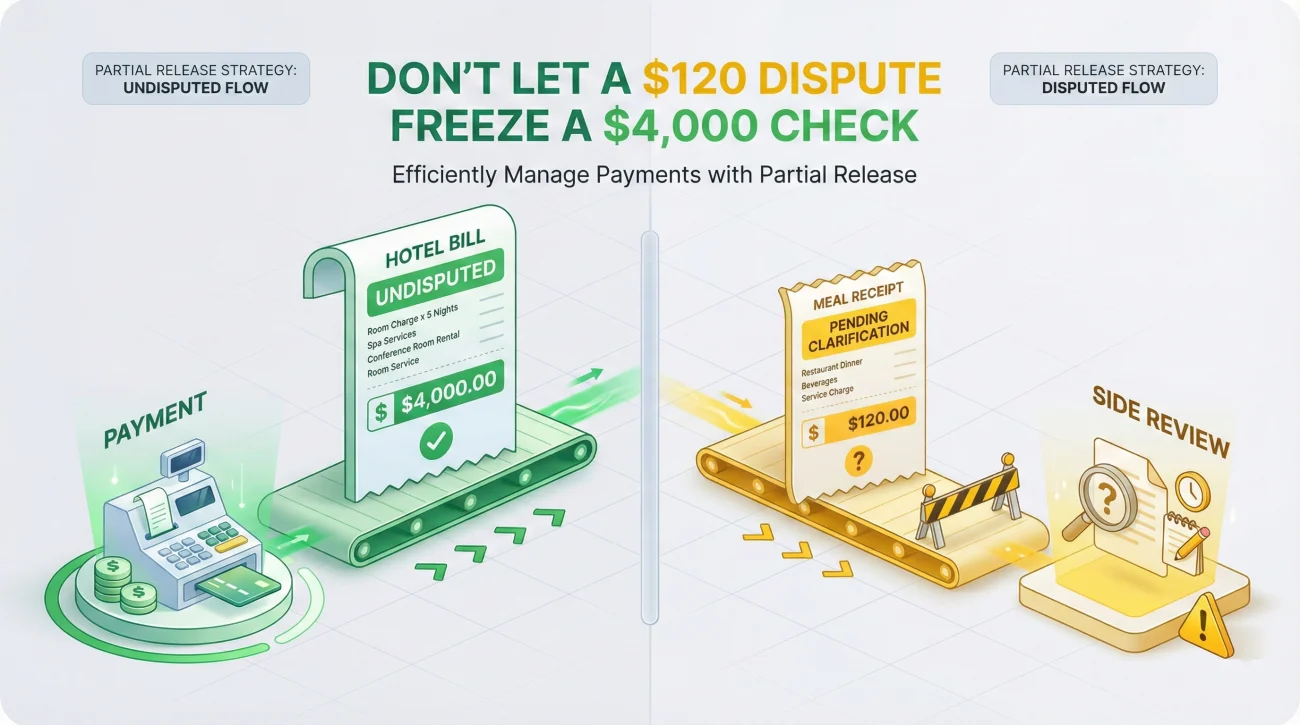
Let us say your follow-up works, and the adjuster replies. They tell you that your $4,000 hotel invoice is perfectly fine, but they cannot process the batch because they are questioning three restaurant receipts totaling $120. They need you to explain those meals.
Many homeowners will spend a week arguing over the $120 in meal expenses, providing bank statements and explanations. While they argue, the entire $4,120 batch remains frozen. The hotel bill goes unpaid while they figure out the food.
🗝️ Key Point: Try not to let a minor clarification hold up your major housing funds. If the carrier questions a small portion of your submission, politely request that they release the undisputed funds while you work out the details on the rest.
When you encounter a mixed batch like this, separating the arguments keeps your cash flow moving.
“Those three restaurant meals are absolutely covered under my policy! I am going to send you five emails explaining why until you approve the whole amount.”
“I understand you need more clarification on the three meal receipts. While I gather that information for you, please release the undisputed $4,000 for the hotel invoice so I can keep my accounts current this week.”
Building Your ALE Tracking Routine
Because ALE is a recurring expense, you will likely submit batches every couple of weeks or once a month while displaced. Submitting receipts and simply hoping for the best is stressful.
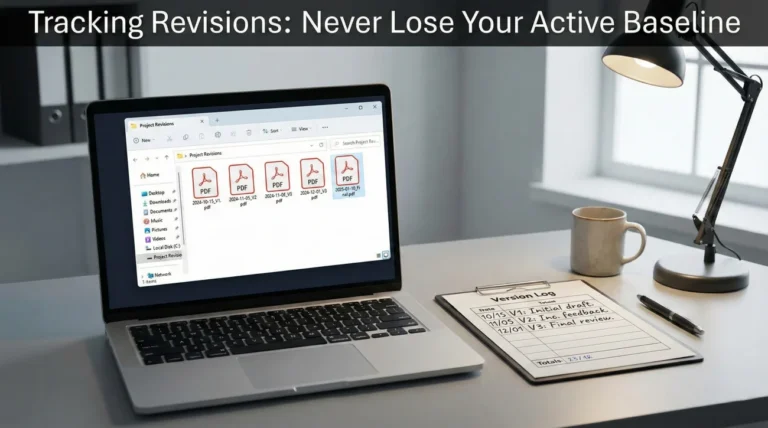
To manage this smoothly, you should tie your ALE submissions into your overall claim follow-up system. I recommend setting up a simple sheet with the following fields to track your pipeline:
| Tracking Field | Why It Helps to Log It |
|---|---|
| Submission Date | Sets the baseline so you know exactly how many days have passed since submission. |
| Batch Total Amount | Ensures the final check matches what you submitted. Items may be removed or deferred during review. |
| Target Follow-Up Date | The date you plan to send the missing-items script if you have not received confirmation. |
| Current Status & ETA | Logs the adjuster’s response. (e.g., “Pending hotel folio clarification,” or “Approved, check cutting Friday.”) |
How to Reduce Delays for Future Batches
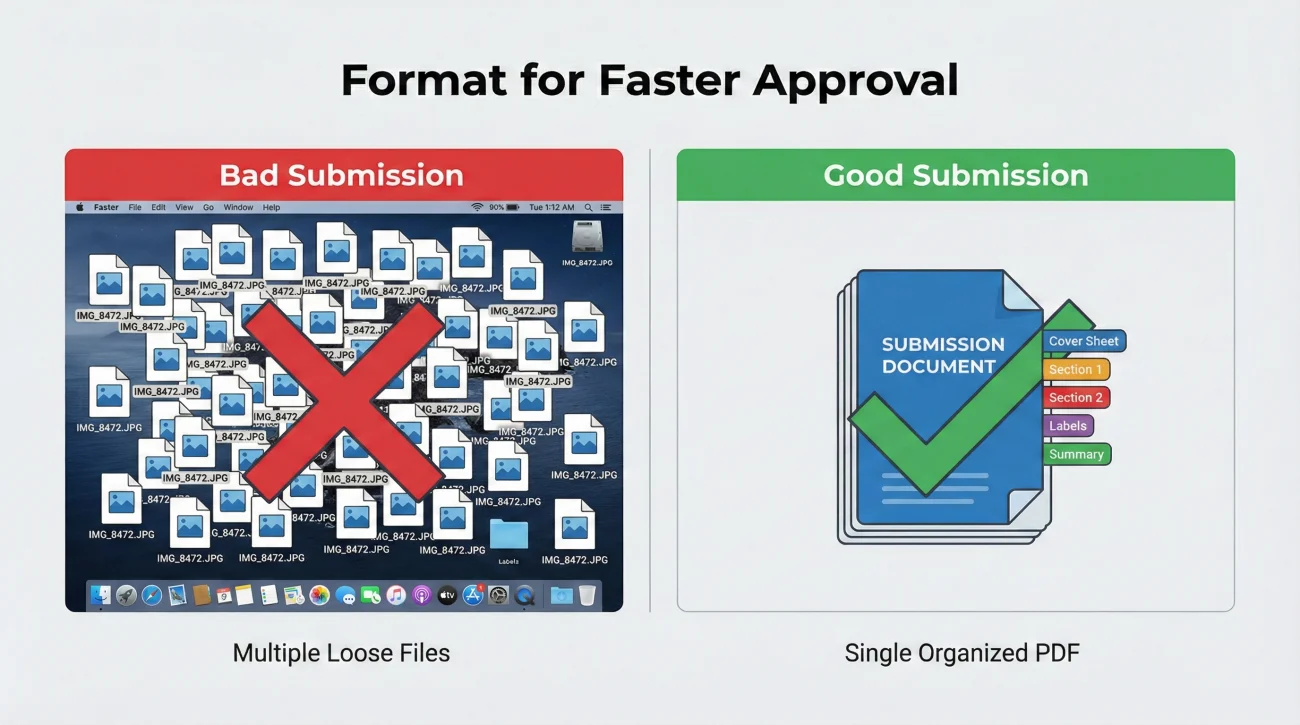
The best way to handle a delay is to format your next batch so it is easier for a human processor to approve. I often see homeowners submitting forty-five individual photos of receipts directly from their phone, with no naming convention. Opening an email with forty-five attachments named “IMG_8472.JPG” is very likely to cause a delay, as it requires administrative sorting before the review even begins.
For your next batch, adopting these basic principles can speed up the process:
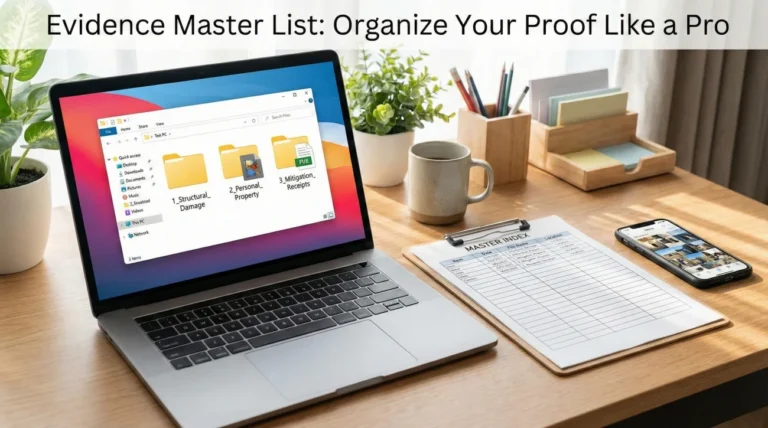
- 📄 Consolidate: Group your receipts into a single multi-page PDF document rather than dozens of loose image files.
- ✅ Label: Add brief notes near each receipt explaining what it is for.
- 📊 Cover Sheet: Always include a simple summary page at the front.
Minimum ALE Cover Sheet Template
You do not need a complex spreadsheet. Including a basic cover sheet like this at the front of your PDF can significantly reduce back-and-forth questions:
Expense Period: [e.g., October 1 – October 31]
Lodging Total: $[Amount]
Meals Differential Total: $[Amount]
Mileage/Transport Total: $[Amount]
Grand Total Submitted: $[Amount]
Current Mailing Address: [Where to send the physical check]
Final Thoughts on Protecting Your Cash Flow
Living out of a temporary rental is exhausting, and cash flow delays only add to the stress. Remember that silence from the carrier usually just means a file is waiting for human clarification, not necessarily a denial. By asking targeted operational questions, requesting partial releases for undisputed funds, and consistently logging your submissions, you can protect your finances and keep your claim moving forward.
❓ FAQ
⏳ How long does it usually take to get reimbursed for ALE?
Operationally, a clean batch of receipts often takes around 7 to 14 business days to process and generate a payment. However, if a single item is unclear or requires escalation, that timeline can commonly stretch longer unless you actively intervene and ask for a status update.
💳 Can the insurance company just pay the hotel directly?
In many cases, yes. Carriers often use third-party temporary housing vendors who set up direct billing for the room rate and taxes. You should always ask if direct billing is an option on day one, as it removes the burden of floating hotel costs on your personal credit cards.
🧾 Why did the adjuster hold my food receipts?
Food reimbursement under ALE is usually based on the “differential”, meaning they pay the cost of dining out minus what your normal grocery bill would have been. If you do not provide your baseline grocery costs, the processor may hold the food portion until that baseline is established.
📧 Is it better to call or email about delayed reimbursements?
Using an email or the digital portal to ask for the missing items list creates a helpful timestamped record. If the deadline they provide in writing comes and goes, you can then use a phone call to follow up, referencing the written timeline.
✂️ What if they deny one specific receipt in my submission?
Try not to let one disputed item freeze the entire batch. You can send a message acknowledging the disputed item and request that they process and release funds for the remaining undisputed balance while you handle the single item separately.
📱 Can I just take pictures of receipts with my phone?
You can, but submitting dozens of loose image files can slow down the adjuster’s review process. It is often much smoother to use a scanner app on your phone to compile the images into a single, organized PDF document.
🗣️ What exactly do I say if the portal just says “Pending”?
Instead of asking “Why is it pending?”, try asking specific questions like: “Could you please confirm if this batch is pending clarification of a line item, or if it is fully approved and pending payment from accounting?”
📆 Should I submit my ALE expenses weekly or monthly?
Most carriers prefer a structured monthly or bi-weekly cadence. Submitting a new receipt every single day can clutter the file and increase the chance of items being misplaced. Ask your adjuster for their preferred batching schedule.
💸 What if the delay is causing me to miss a credit card payment?
If you are facing an imminent financial penalty due to a delay, state this neutrally in writing. “The ongoing delay on the undisputed hotel invoice may result in credit penalties this Friday. Please expedite the partial release of these cleared funds.”
🔄 What happens if they send the check to the wrong address?
This is a common routing error when you are displaced. On every ALE submission cover sheet, clearly state your “Current Temporary Mailing Address” so the disbursement system knows exactly where to send the physical check.
⚠️ Disclaimer: PropertyClaimChecklist.com provides practical guidance, process checklists, and example follow-ups to help you organize a property claim and move it forward. It is not policy language, claim documentation, legal content, or a substitute for your insurer's instructions. Always rely on your carrier's requirements and your actual policy terms for what must be submitted and how decisions are made.