- The Power Dynamic: Most people just answer questions during the first call. You need to flip the script and ask questions to establish control.
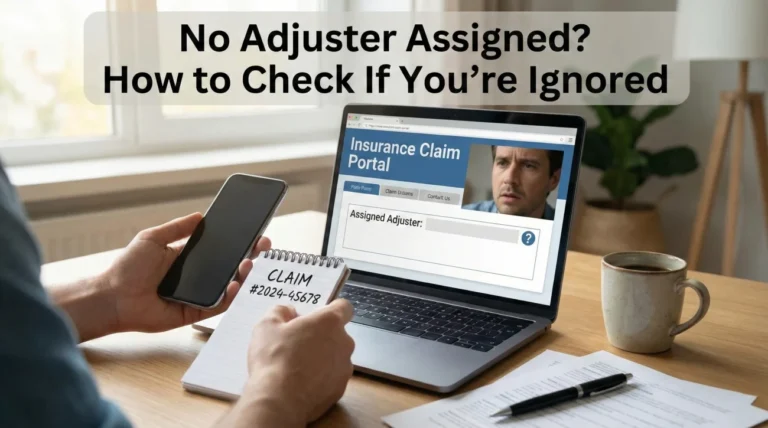
- The “Who”: Always get the specific name, direct phone number, and email address of your Desk Adjuster (not just the call center rep).
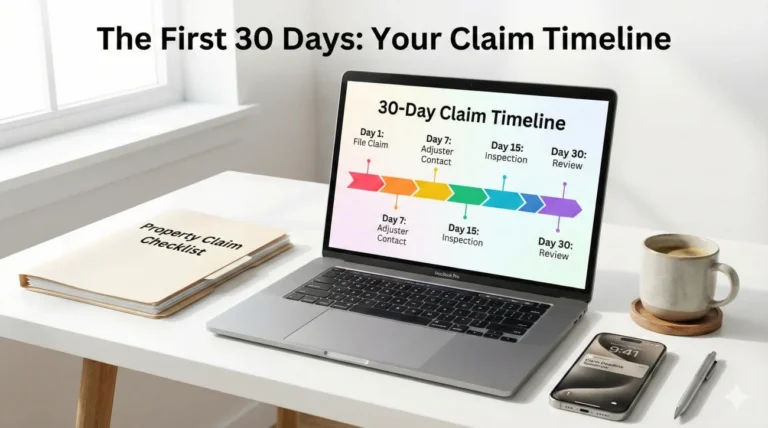
- The “When”: Establish a standard window for contact. Verify timelines for adjuster assignment and inspection scheduling.
- The “How”: Clarify the preferred communication channel immediately to avoid phone tag.
- Action Item: Print the question list below and keep it by the phone before you dial the 1-800 number.
Flipping the Script on Day 1
The first phone call to your insurance company (often called the First Notice of Loss, or FNOL) is usually a blur. You are stressed, maybe standing in water, and the representative on the other end is reading from a script. They will ask you fifty questions about what happened, when it happened, and who was there.
Most homeowners passively answer these questions, say “thank you,” and hang up, hoping for the best. This is a mistake. That first call is your best opportunity to set the rules of engagement. By raising the right questions to ask when filing an insurance claim, you signal immediately that you are organized, informed, and paying attention. You move from being a “file number” to being a “project manager.”
In my experience handling claims, the files that get stuck are the ones where the homeowner waited two weeks to inquire “Who is my adjuster?” The files that move fast are the ones where the homeowner established that contact in the first ten minutes.
Pre-Game: The “One-Sentence” Description
Before you ask your questions, you have to answer theirs. The most dangerous inquiry they make is: “What happened?” If you ramble, guess, or offer theories, you can accidentally trigger a denial before the investigation even starts.
My advice is to stick to the “One-Sentence Rule.” Describe the observable damage, not the hidden cause. Do not use words like “flood” (unless you have flood insurance) or “mold” (which might be excluded). Stick to facts.
“I think the roof was old and maybe the rain leaked in over time and now there is mold.” (Triggers: Wear and tear, long-term leak, mold exclusion).
“Storm winds damaged the roof shingles on [Date], resulting in water entry into the bedroom ceiling.” (Triggers: Sudden and accidental storm damage).
Category 1: The “Identity” Questions
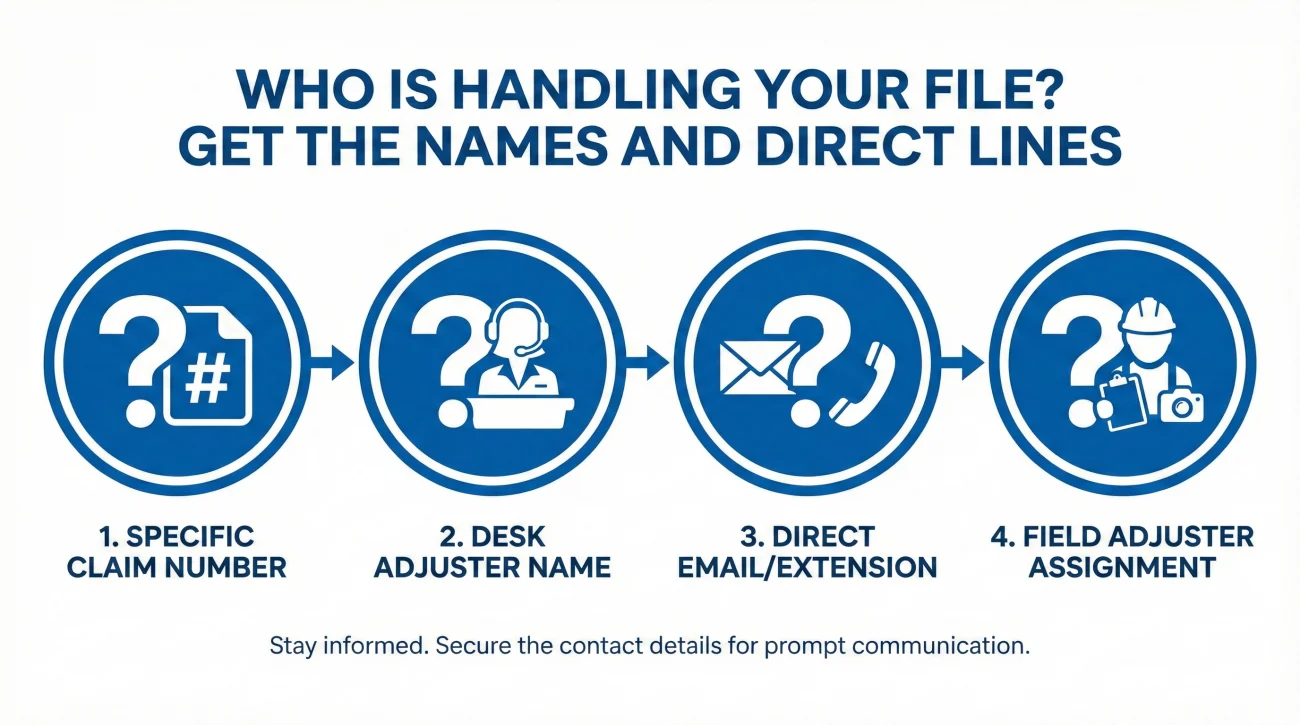
Your first goal is to find out who is actually handling your claim. The person taking your call is likely a call center representative, not your adjuster. They are intake staff. You need to know who the decision-maker is.
Confirm these details immediately:
- ❓ “What is my specific Claim Number?” (Write this down and never lose it).
- ❓ “Who will be the specific Desk Adjuster assigned to my file?” (Get a name, not a team).
- ❓ “What is their direct email address and direct phone extension?”
- ❓ “Is there a separate Field Adjuster who will come to inspect the property?”
If they say “An adjuster hasn’t been assigned yet,” that is normal. Your follow-up inquiry should be: “When will they be assigned, and how will I be notified?” Force a timeline on the assignment.
Category 2: The “Timeline” Questions
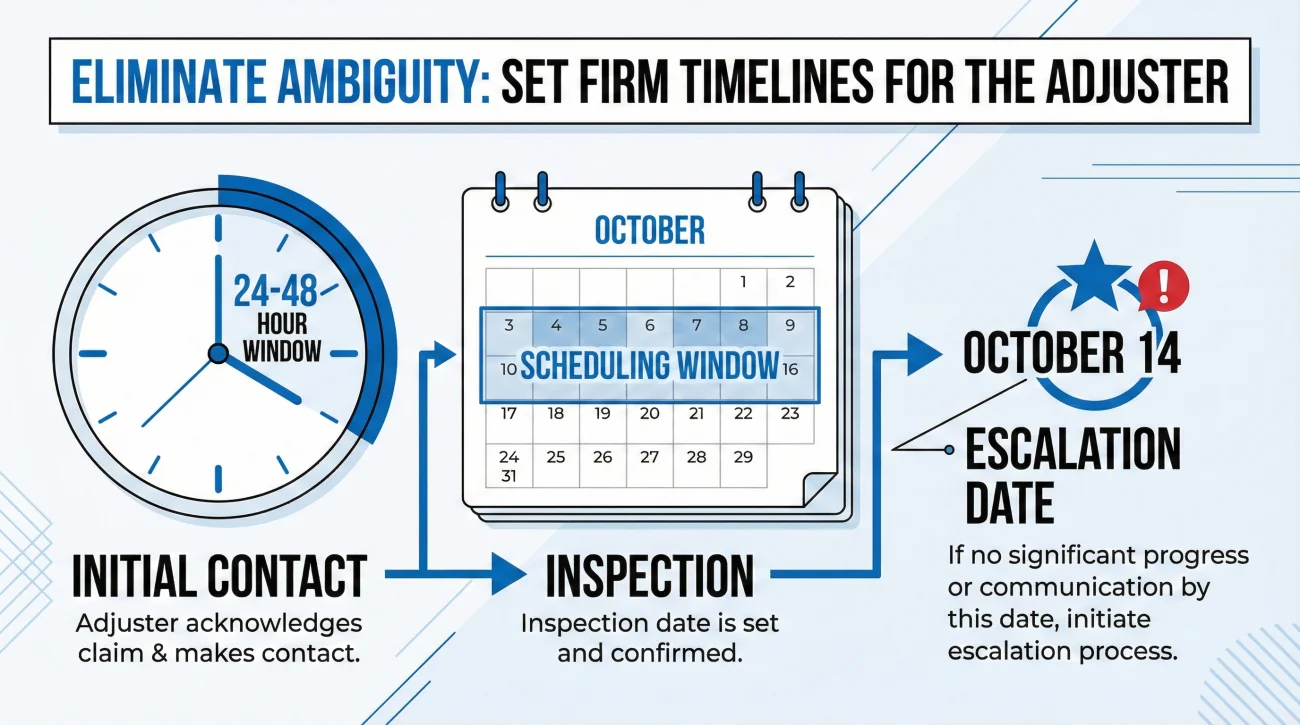
Ambiguity is the enemy of speed. “We’ll get back to you soon” means nothing. You need expected windows of time so you know when to follow up.
Verify expectations with these points:
- ❓ “When should I expect the initial contact call from the adjuster? Is the standard window 24 or 48 hours?”
- ❓ “What is the standard timeline for an inspection to be scheduled?”
- ❓ “If I don’t hear back by [Date], who should I call to escalate?”
💡 Pro Tip: If they give you a window (e.g., “24 to 48 hours”), write down the exact date and time on your notepad. If that time passes, you now have a valid reason to call back and state, “I was promised a call by 2 PM today.”
Category 3: The “Emergency Permissions” Questions
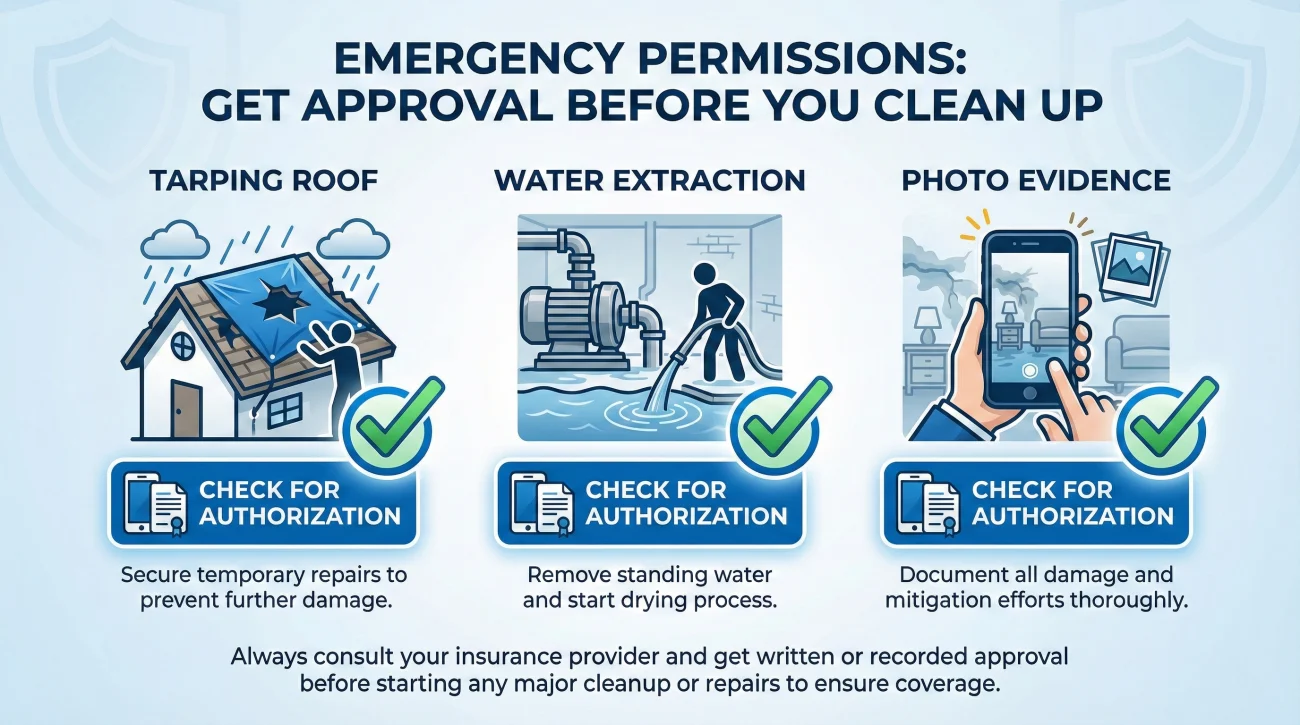
You probably have a hole in your roof or water on your floor right now. You need to know what you are allowed to do today without hurting your claim later. This is about “mitigation” which means stopping the damage from getting worse.
Clarify your authority to act:
- ❓ “Do I have authorization to perform emergency mitigation (like extracting water or tarping the roof) immediately?”
- ❓ “Is there a specific dollar limit for emergency services I should know about right now?”
- ❓ “Do you require me to use a specific vendor, or can I hire my own mitigation company?” (Note: In many situations, you have the right to hire your own, but always confirm their policy).
- ❓ “What specific photos or evidence do you need me to save before the cleanup crew arrives?”
Getting a verbal “Yes, go ahead and tarp the roof” is crucial. Log that approval in your notes: “Authorized by Sarah at 10:15 AM.”
Category 4: The “Living Situation” Questions
If you cannot stay in your home, this is urgent. Coverage for hotels and meals falls under “Additional Living Expenses” (ALE) or “Loss of Use.” Do not assume this is automatic; trigger it.
Establish housing protocol if displaced:
- ❓ “Does my policy cover Additional Living Expenses (ALE) for this loss?”
- ❓ “How do I initiate an immediate advance for a hotel if I cannot stay here tonight?”
- ❓ “Is there a specific housing vendor you use to book hotels, or should I pay out of pocket and submit receipts?”
Field Note: The “Preferred Vendor” Trap
During the first call, many insurers will aggressively push their “Preferred Vendor Program” for repairs. They might say, “We can send our team out right now to handle everything.”
Be careful. While convenient, these vendors work for the insurance company, not you. I often advise clients to pose this specific clarifying question: “If I use your preferred vendor, do I still have the right to get a second opinion from my own contractor?”
If they hesitate or pressure you, that is a red flag. You can accept their emergency mitigation (to stop the water fast) but decline their reconstruction services until you have time to vet them properly. You are never obligated to use their contractor for the rebuild.
Recording the Answers
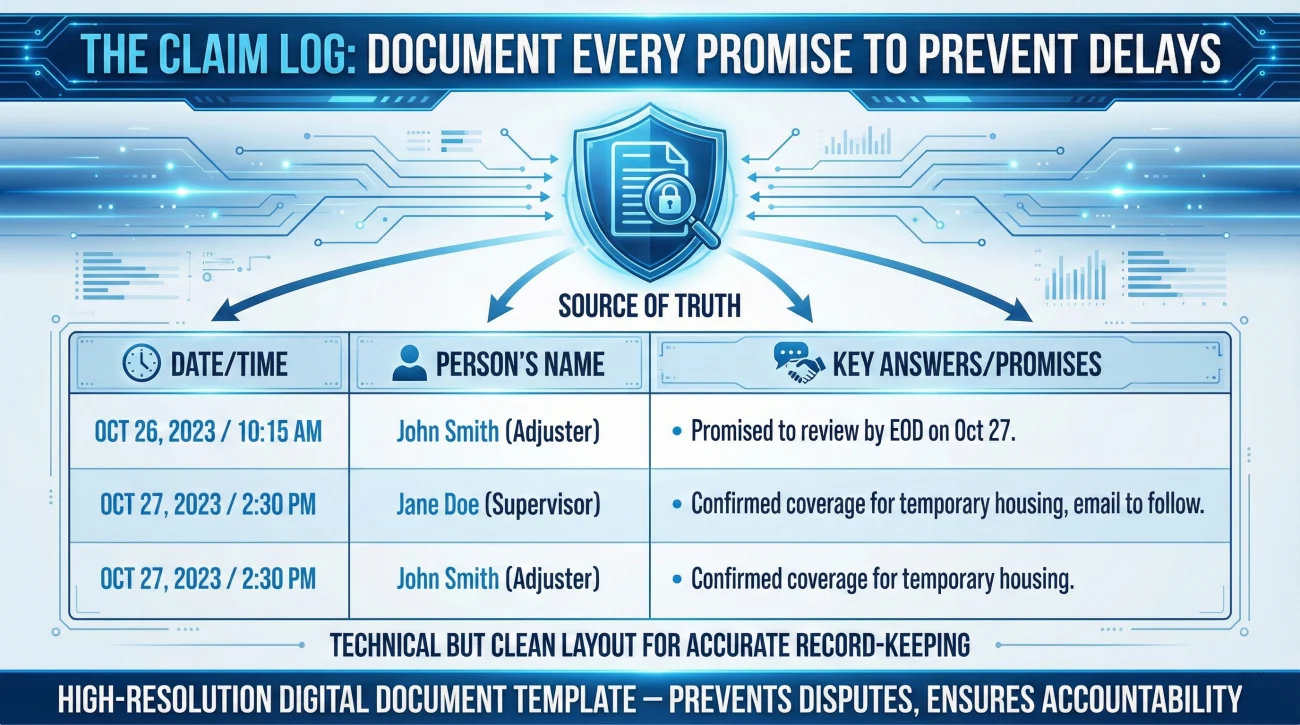
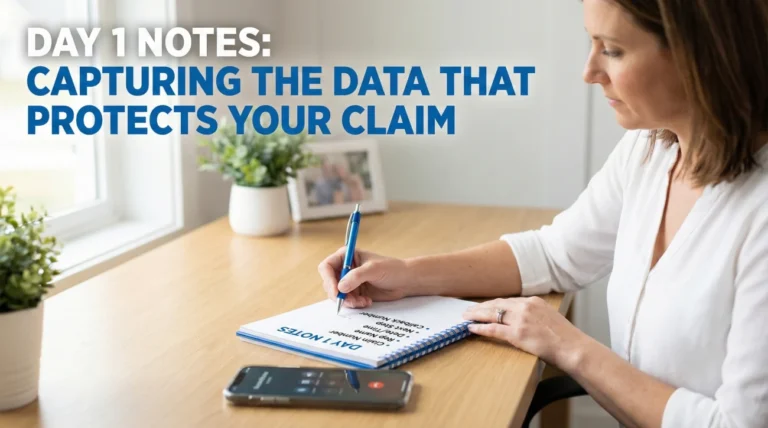
Asking the questions is useless if you don’t record the answers. Start a “Claim Log” immediately. It can be a notebook or a note on your phone. For every call, write down:
- Date and Time
- Name of the person you spoke to
- The specific answers they gave to your questions
This log becomes your “source of truth.” When an adjuster later claims, “We never authorized a hotel,” you can reply, “Actually, on October 12th at 9:00 AM, Agent Mike confirmed ALE coverage was active.” That ends the argument.
Final
The first call is not just administrative; it is strategic. By raising specific, targeted questions about roles, timelines, and immediate permissions, you strip away the ambiguity that causes delays later. You are telling the insurer that you are an active participant in this process, not a passive bystander. Grab a pen, take a deep breath, and address the hard topics first.
❓ FAQ
📞 Should I record the first phone call?
Check your state laws first. Some states require “two-party consent.” Even if legal, it is often better to take detailed written notes and follow up with an email summary (“As we discussed…”) to create a written record without being confrontational.
🚫 Can I refuse to give a recorded statement on Day 1?
Yes. You can say, “I am happy to provide a statement, but I would like to schedule it for later so I can gather my thoughts and review the damage.” You are rarely required to give it instantly on the first intake call.
🏨 What if they say I have to pay for the hotel upfront?
This is common. If you don’t have the funds, ask specifically for an “ALE Advance” or if they have a direct-bill housing vendor (like ALE Solutions) who can bill the insurance company directly.
📝 What if I forget to ask something?
Don’t worry. You can call back or, better yet, send an email to the claims department or your agent with your follow-up questions. “I forgot to ask about…” is a perfectly valid reason to reach out.
👷 Do I have to tell them who my contractor is right away?
No. You can say, “I am currently interviewing contractors.” You do not need to have a contractor chosen to file the initial claim.
📄 What documents do I need to have ready for the first call?
Have your policy number, the date/time of the loss, a brief description of what happened, and a pen to write down the claim number they give you.
💸 Should I mention my deductible?
You can ask “What is my deductible for this type of loss?” to confirm it. Knowing this number early helps you decide if small claims are even worth pursuing.
🌧️ How detailed should I be about the damage?
Be honest but concise. “Water damage in kitchen from pipe burst” is better than a 20-minute story. Stick to the facts you can see. Don’t guess at the cause if you aren’t sure.
📧 Can I ask them to email me instead of calling?
Yes. State clearly: “My preferred method of communication is email.” They may still need to call for urgent things, but this sets a precedent for written trails.
🤝 Is my agent the same as the adjuster?
No. The agent sold you the policy. The adjuster handles the claim. On Day 1, you are usually speaking to a central claims intake center, not your local agent.
⚠️ Disclaimer: PropertyClaimChecklist.com provides practical guidance, process checklists, and example follow-ups to help you organize a property claim and move it forward. It is not policy language, claim documentation, legal content, or a substitute for your insurer's instructions. Always rely on your carrier's requirements and your actual policy terms for what must be submitted and how decisions are made.