Reporting Insurance Claims: Describing Damage Without Over-Talking
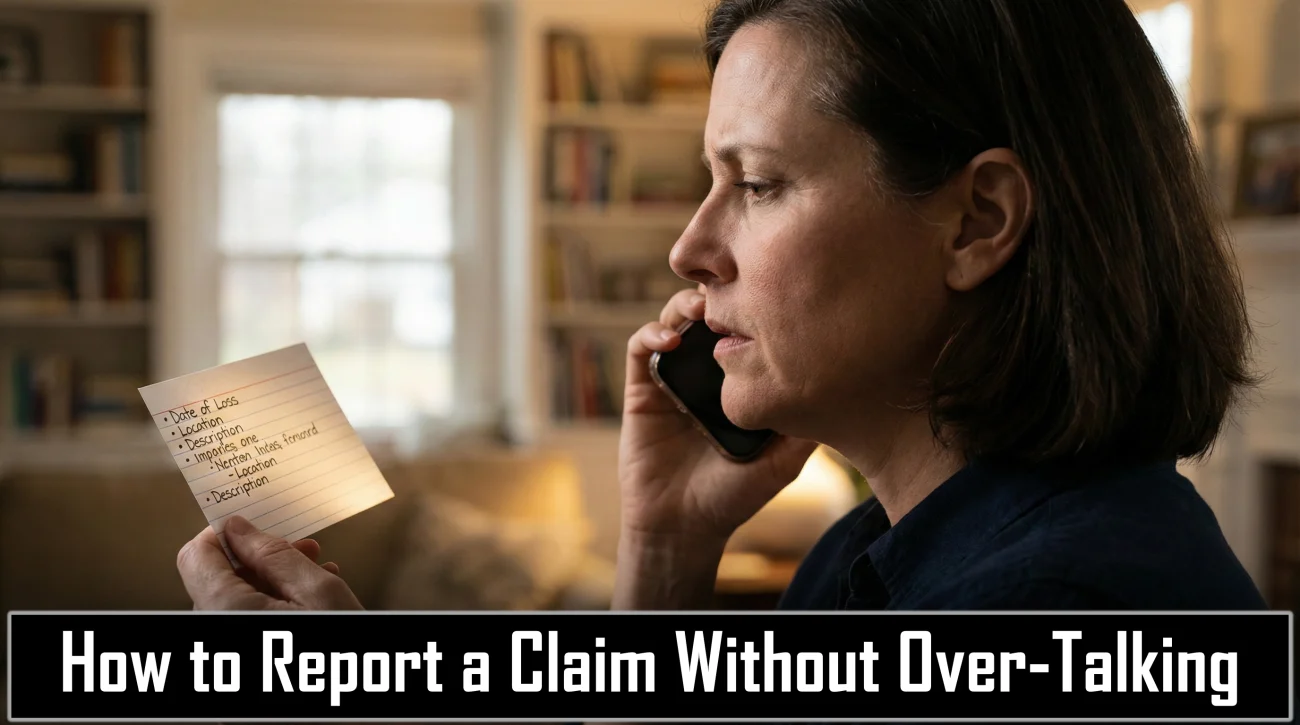
How To Describe Damage To Insurance

When reporting a claim, providing too much backstory can unintentionally confuse the intake process. Limit your initial report strictly to what you can see, hear, or feel. Guessing the root cause of the damage on day one often leads to incorrect file routing and unnecessary coverage reviews. State exactly when you found the damage to … Read more


Labeling Claim Photos: Stop the Adjuster from Guessing

How To Label Photos For Insurance Claim

Uploading hundreds of unnamed photos from your phone often destroys the context of your evidence. Without a clear naming system, your photos can become disorganized the moment they enter the estimating software. Rename your image files before uploading them. Use a simple, three-part naming convention: Room, Damage Type, and a two-digit Sequence Number. Estimating software … Read more

Insurance Follow-Up Cadence: How Often to Call Your Adjuster

How Often To Follow Up On Insurance Claim

Calling your adjuster every single day does not automatically speed up your claim. In many workflows, excessive “status check” calls can actually slow down the process because they often require the adjuster to stop working to log the conversation. Adjusters work on a “diary” system. Your follow-up cadence should align with the realistic timeframes of … Read more

First Notice of Loss (FNOL): The Facts You Need for Your Insurance Claim

First Notice Of Loss Checklist

Your First Notice of Loss (FNOL) sets the factual foundation for your entire claim. Do not guess the cause of the damage. Use your discovery time and stick strictly to observable facts. Gather your core details before dialing: Date of discovery, exact location of damage, current property status, and a list of affected rooms. Understand … Read more

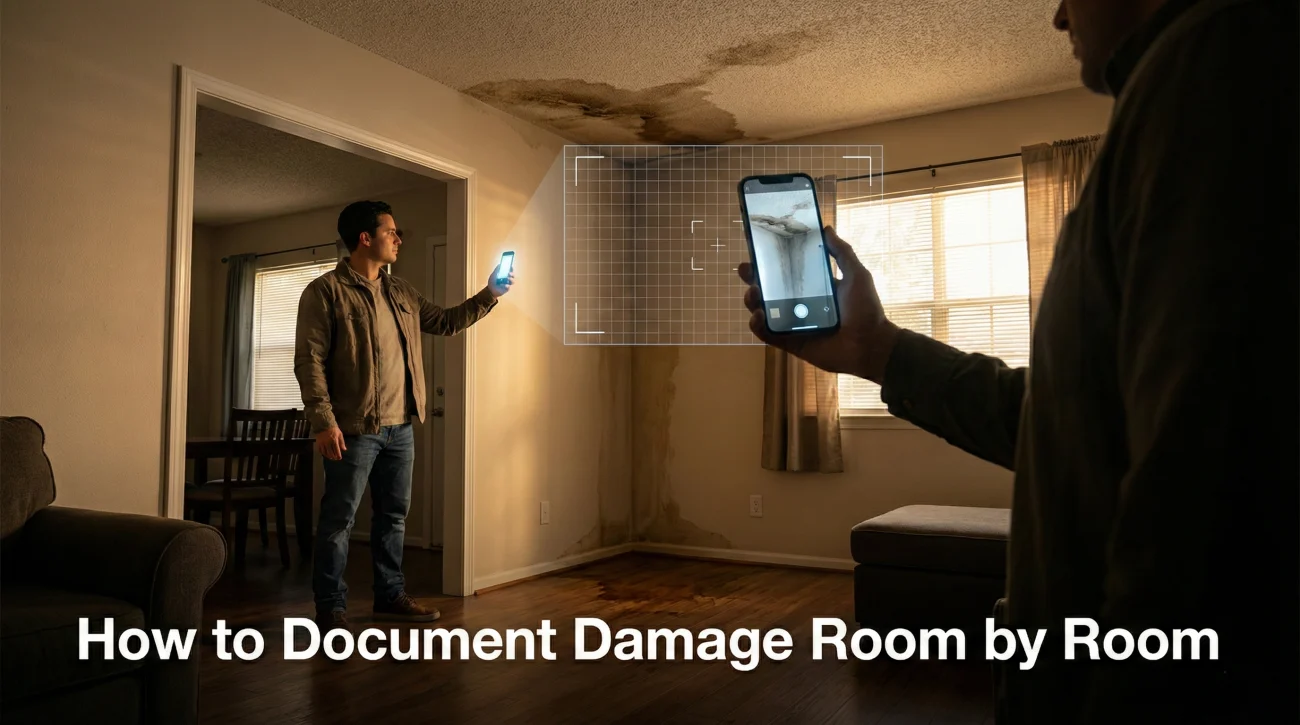
Room-by-Room Damage Documentation: Don’t Miss Hidden Issues

How To Document Damage Room By Room

Follow the “Clockwise Rule” to create a continuous visual map of the room so reviewers never have to guess where they are looking. Use the “Wide, Medium, Tight” sequence for every point of damage to provide necessary context, scale, and material detail. Track the vertical path of water or smoke from the floor up to … Read more