Insurance Estimate Missing Items? The Master Checklist to Find Them
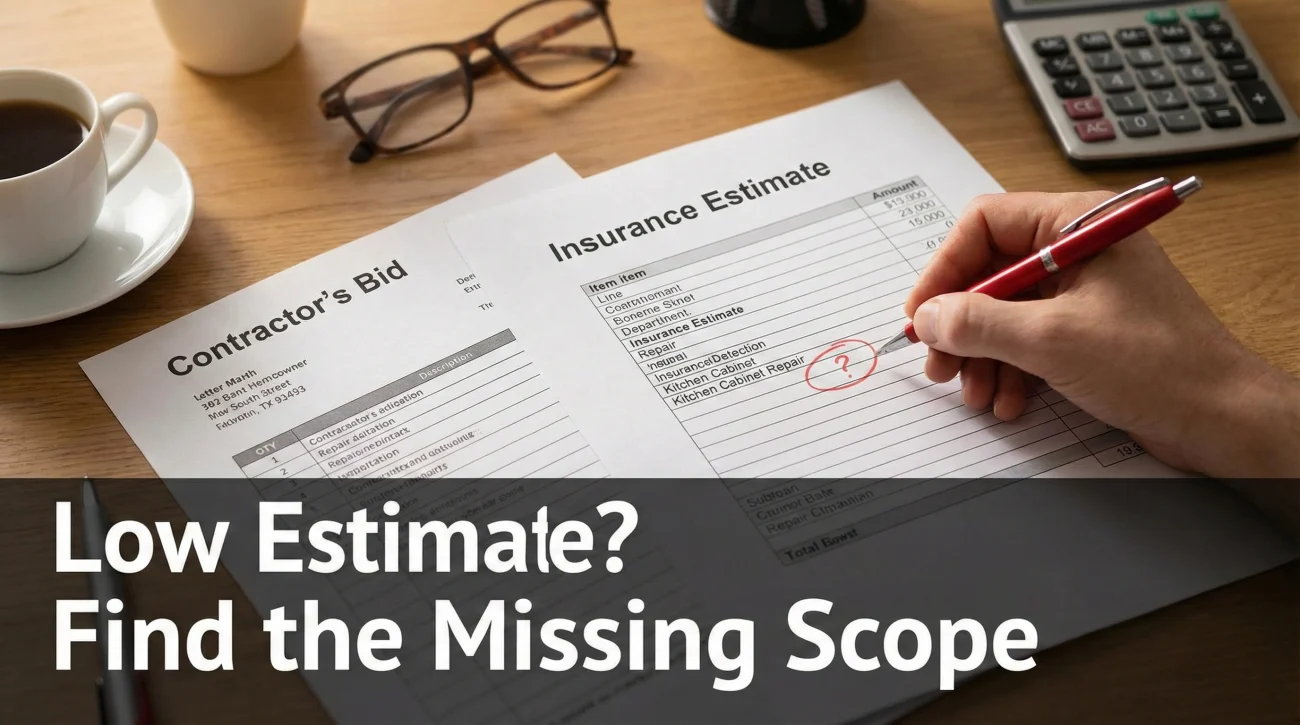
Insurance Estimate Missing Items

A low insurance payout is rarely an argument over the price of wood or drywall. It is often a debate about “missing scope”: the specific, necessary background tasks that were left off the paperwork. Estimating software is built on macros and templates that frequently overlook details like detaching appliances, floor protection, and debris removal. Instead … Read more

Insurance Follow-Up Cadence: How Often to Call Your Adjuster

How Often To Follow Up On Insurance Claim

Calling your adjuster every single day does not automatically speed up your claim. In many workflows, excessive “status check” calls can actually slow down the process because they often require the adjuster to stop working to log the conversation. Adjusters work on a “diary” system. Your follow-up cadence should align with the realistic timeframes of … Read more

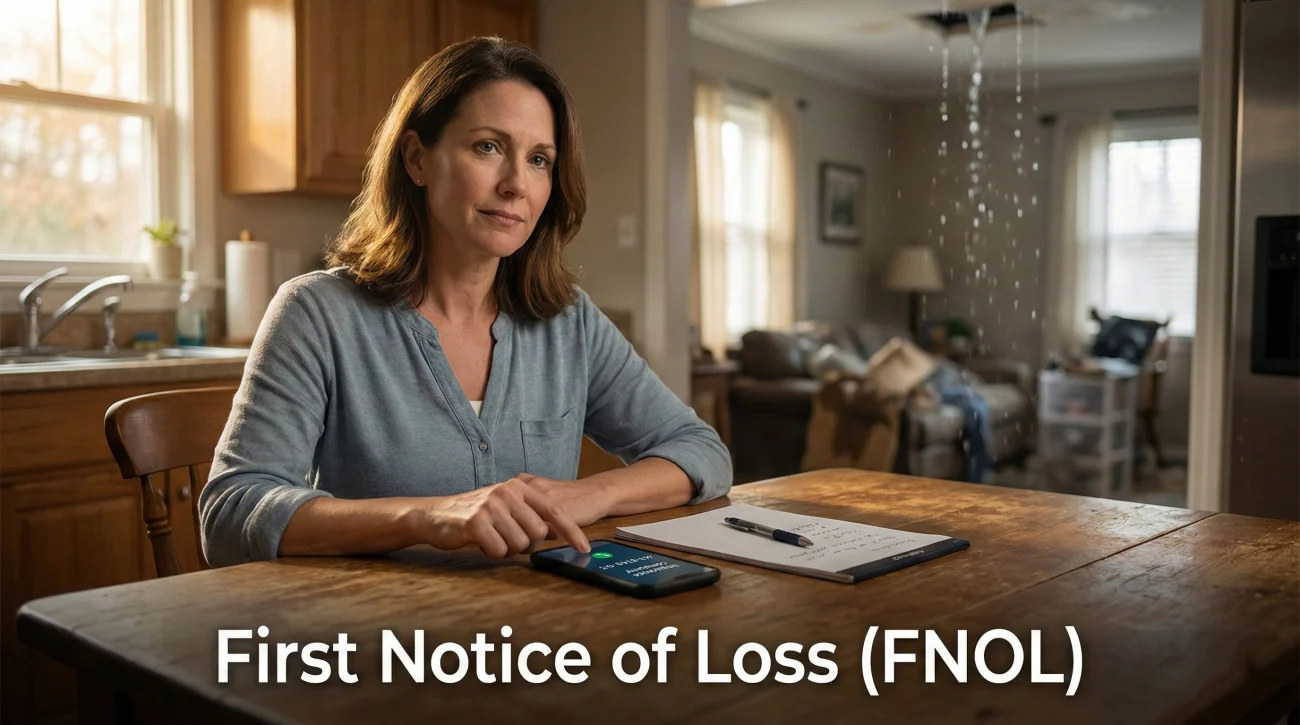
First Notice of Loss (FNOL): The Facts You Need for Your Insurance Claim

First Notice Of Loss Checklist

Your First Notice of Loss (FNOL) sets the factual foundation for your entire claim. Do not guess the cause of the damage. Use your discovery time and stick strictly to observable facts. Gather your core details before dialing: Date of discovery, exact location of damage, current property status, and a list of affected rooms. Understand … Read more

Room-by-Room Damage Documentation: Don’t Miss Hidden Issues

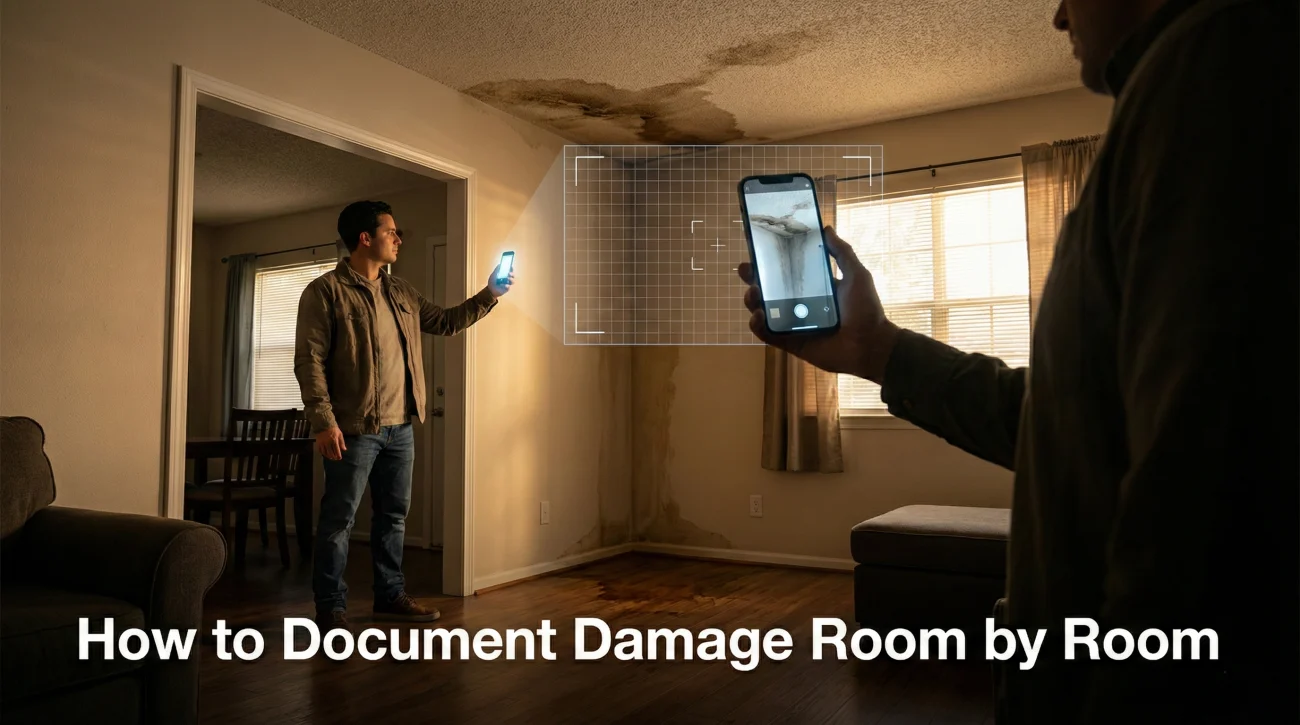
How To Document Damage Room By Room

Follow the “Clockwise Rule” to create a continuous visual map of the room so reviewers never have to guess where they are looking. Use the “Wide, Medium, Tight” sequence for every point of damage to provide necessary context, scale, and material detail. Track the vertical path of water or smoke from the floor up to … Read more

Don’t Say “Flood” Unless You Mean It: The Rising vs. Falling Rule Adjusters Use

Don’t Say “Flood” Unless You Mean It: The Rising vs. Falling Rule Adjusters Use

The Big Risk: Standard homeowners policies almost never cover “flood.” If you use the wrong word to describe your loss, you might accidentally trigger a denial. The Cost is Real: FEMA data shows the average NFIP claim payment has exceeded $66,000. This is not a minor repair issue; it is a financial disaster if coverage … Read more

What I Learned After Years in Claims Ops: Most Claims Don’t Stall Because of Damage

Most Claims Don’t Stall Because Of Damage

It is Just Math: Industry data indicates roughly 1 in 20 insured homes files a claim annually. Filing a claim is a standard financial interaction, not a rare tragedy. Structure Beats Volume: Sending 100 random photos often slows you down. Adjusters need photos labeled by room and trade to process payments quickly. The “Review-Ready” Standard: … Read more

Why Home Insurance Claims Are Harder Now (And How to Adapt)

Home-insurance-claim

The Market Has Changed: With premiums rising 24% (CFA) and climate risks increasing (Treasury), insurers are tightening their review processes. Scrutiny is High: The era of getting the “benefit of the doubt” on vague claims is over. Files must be precise to pass through the system. Evidence Over Story: Shift your mindset from telling a … Read more

Documents Needed for a Renters Insurance Claim: Proof Without Overexplaining

Documents Needed For Renters Insurance Claim

The Receipt Myth: You typically do not need a pristine paper receipt for every item to get paid. We use an “Evidence Tier” system to find alternative proofs that adjusters often accept. The “Item Map” Strategy: One of the fastest ways to get paid is to number your items and match your proof files (e.g., … Read more

How to Read an Insurance Estimate: Decoding Line Items and Totals

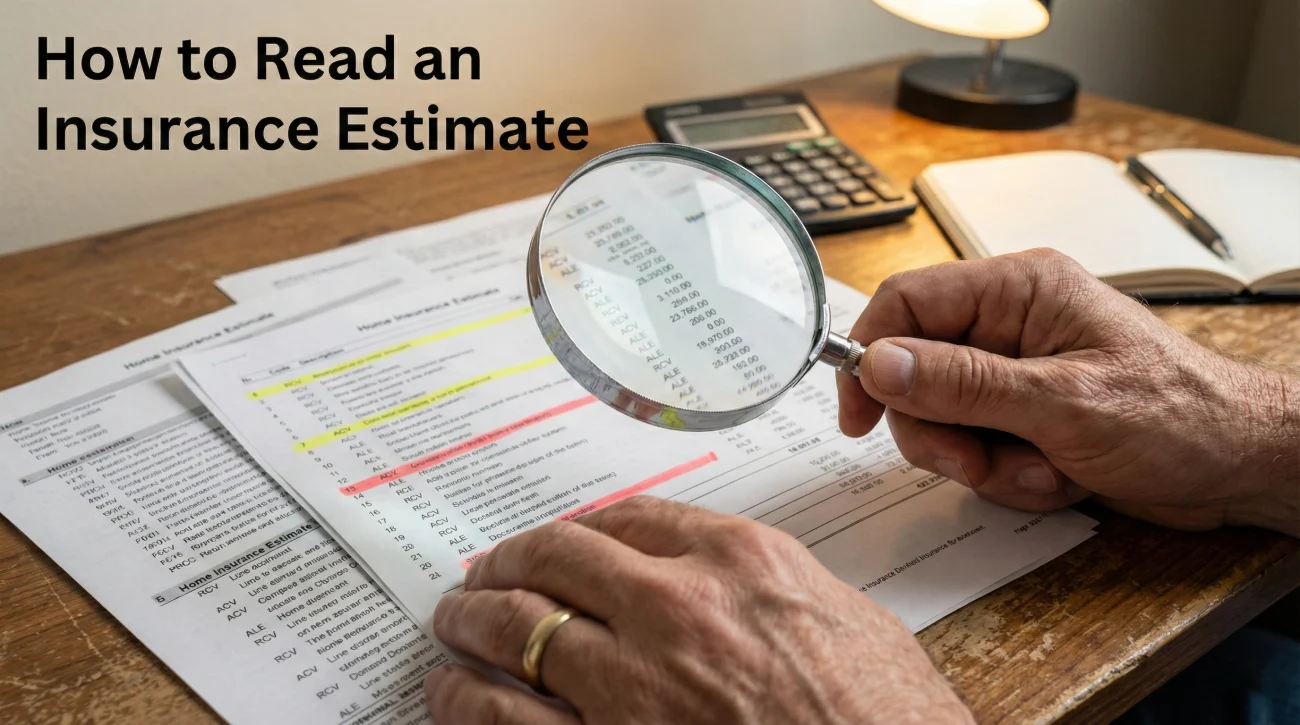
How To Read An Insurance Estimate

It’s Not a Receipt: An insurance estimate is a proposal of scope, not a final invoice. It lists what the adjuster thinks needs to be done, not necessarily what your contractor will charge. The “Big Three” Numbers: Focus on RCV (Replacement Cost), Depreciation (Age deduction), and ACV (The first check amount). Knowing the difference prevents … Read more

Should You File a Home Insurance Claim? A Decision Checklist

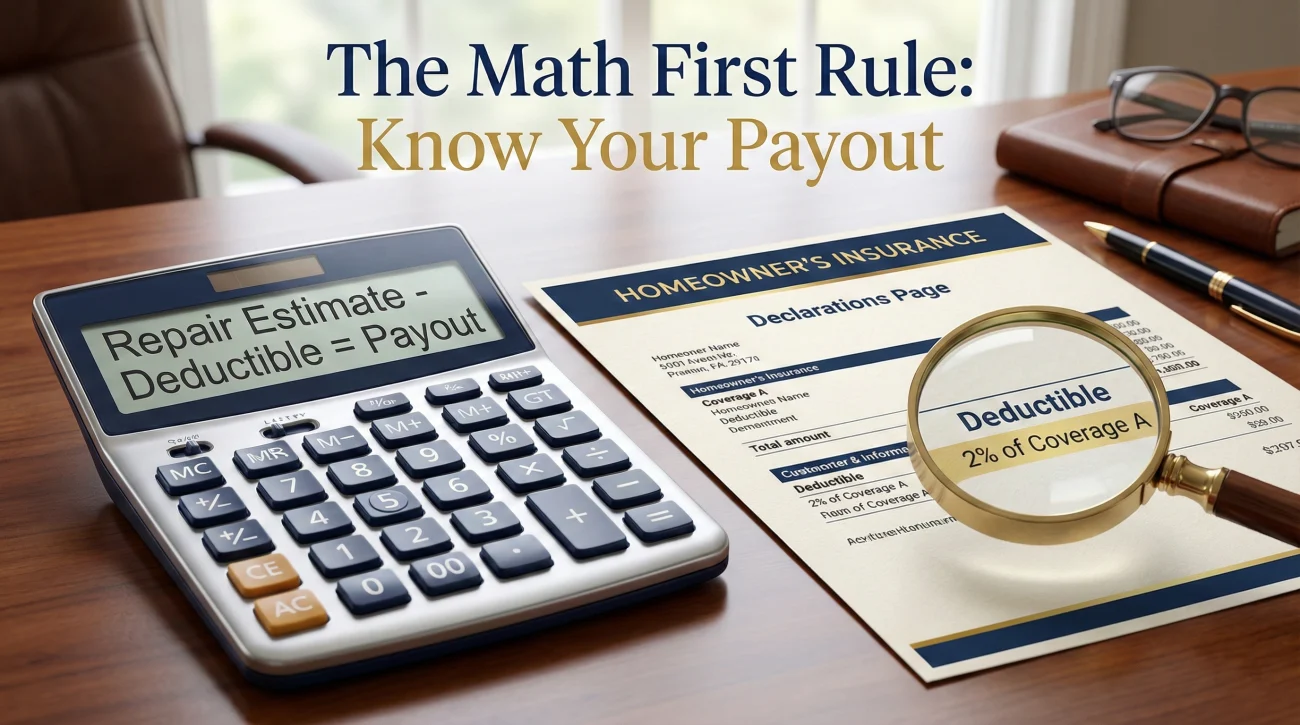
Should I File A Home Insurance Claim

The “Math First” Rule: Never file a claim until you know your deductible amount and have a rough estimate of the repair costs; if the damage is close to the deductible, filing is often a financial loss. The “Zero-Pay” Trap: Opening a claim just to “ask a question” or “have someone look at it” can … Read more

Damage Photo Checklist for a Property Claim: What to Capture Before Cleanup

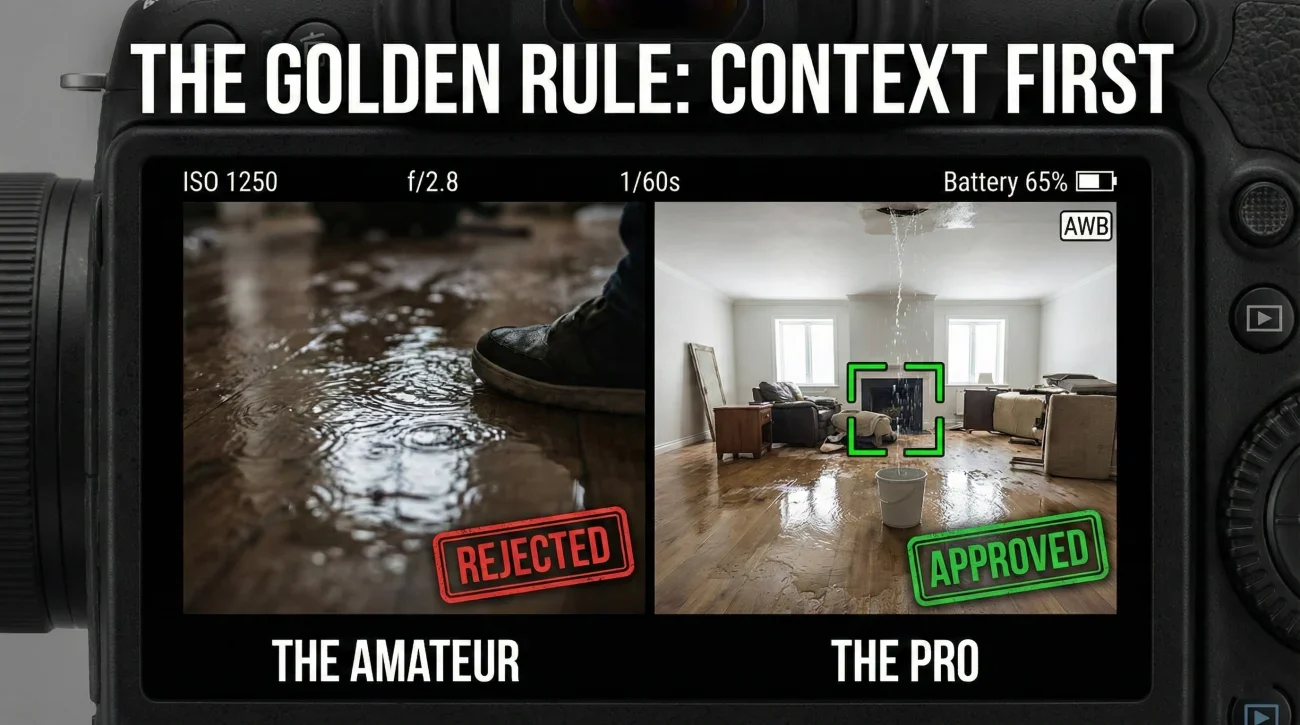
Damage Photo Checklist For Insurance Claim

The “4-Corner” Rule: Stand in each corner of the room to capture the layout first. Adjusters need to see the “Before” context before they zoom in on the damage. Source vs. Result: Photograph the cause (the burst pipe) separately from the effect (the wet floor). These are two different proof points. Don’t Move Debris Yet: … Read more

Documents Needed for a Homeowners Insurance Claim: A Practical Checklist

Documents Needed For Homeowners Insurance Claim

Quality beats volume: Uploading 50 loose photos often slows down the process. We focus on a clean “evidence pack” strategy. The Core Three: Every claim requires proof of ownership, proof of the event date, and a preliminary scope of damages. Format matters: Adjusters need PDF files for documents and clear JPEG files for photos. Never … Read more