Claim Number Basics: What It Is, Where It Appears, and How to Use It

Insurance Claim Number Meaning

It is not your Policy Number: Your Policy Number identifies your account (who you are). Your Claim Number identifies this specific damage event (what happened). Do not mix them up. The Submission Rule: In claims operations, documents without a Claim Number risk getting lost in a “general correspondence” queue. Write this number on absolutely everything … Read more

Video Walkthrough for a Claim: What to Record So It Counts

Video Walkthrough For Insurance Claim

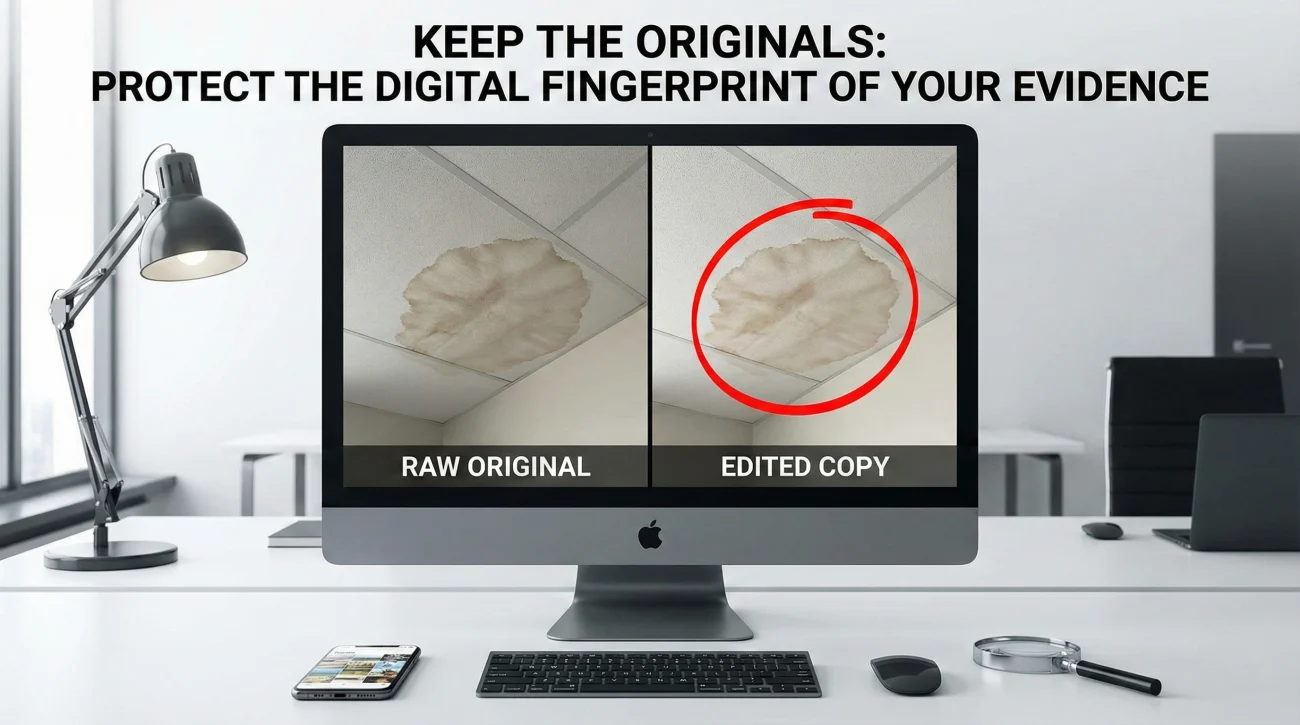
Audio matters more than you think: Narrate what you see, state the date, and point out specific damage sources while recording. Do not edit the file: Never trim, filter, or combine clips. The metadata in the original file proves when the video was taken. Slow down the pan: Move the camera half as fast as … Read more

Proof of Submission for Claim Documents: What to Save So You Can Prove It Later

Proof Of Insurance Claim Submission

The Reality: In the world of insurance, “I sent it” means nothing. “I can prove you received it” is the only thing that stops the clock. The Method: Never trust a green “Upload Complete” checkmark. Always take a screenshot that captures your computer’s system clock. The Strategy: Treat your “Proof of Submission” folder as your … Read more

Wrong Quantities: Spot Quantity Errors and Present Clean Corrections

Incorrect Quantities Insurance Estimate

The Core Strategy: Correcting “quantity errors” (missing square footage, missed waste factor) is often the fastest way to increase a low estimate because it relies on objective measurements. What to Look For: The most frequent errors are “Net vs. Gross” calculations (forgetting material waste), “phantom rooms” (missing closets), and ignored “labor minimums.” Action Step: Audit … Read more

Insurance Claim Stuck After Inspection? How to Trigger the Estimate

Insurance Claim Stuck After Inspection

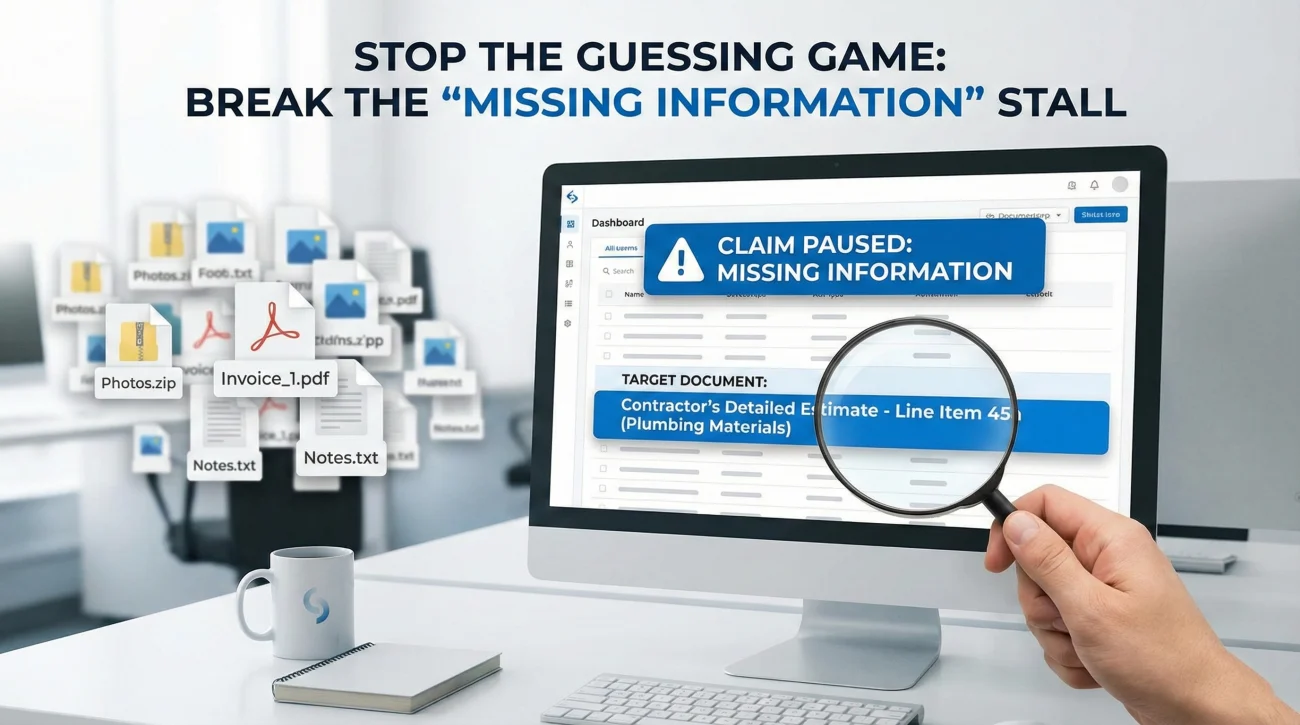
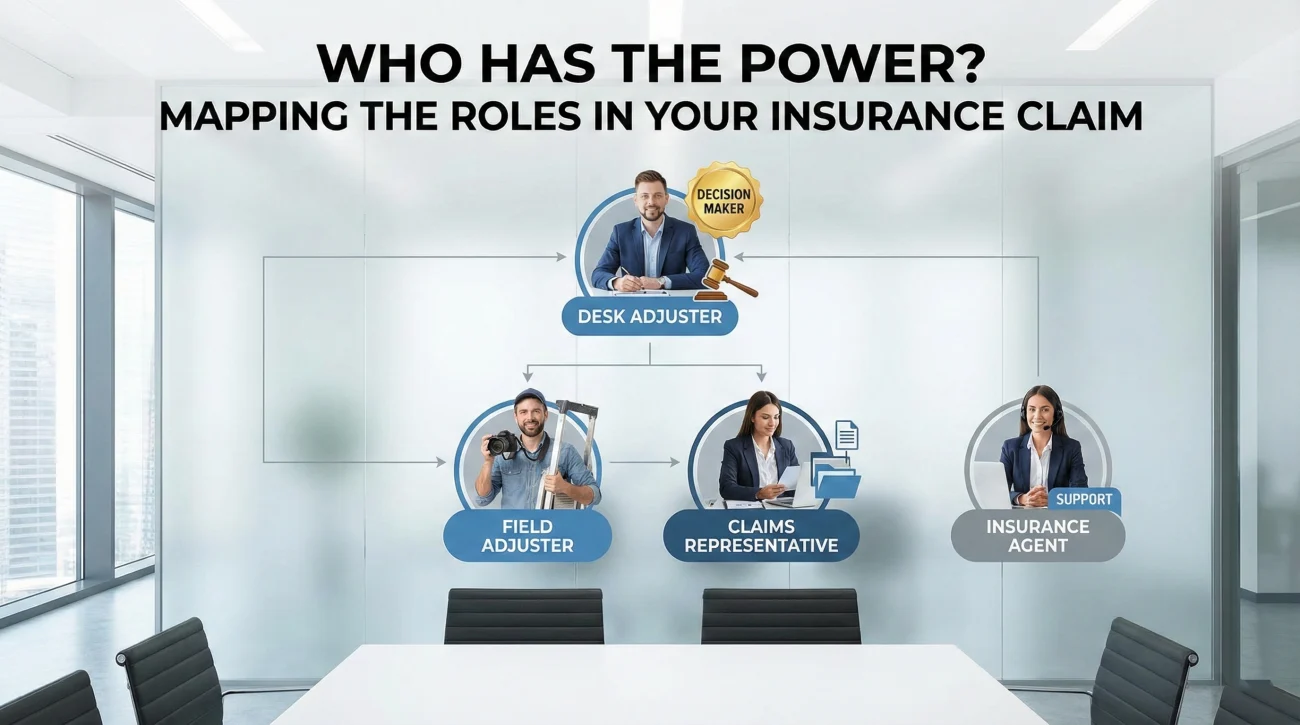
The Core Problem: Silence after an inspection often means the report is stuck in a “handoff gap” between the field inspector and the desk adjuster. The Diagnosis: You need to identify if the report was uploaded, if it passed quality assurance (QA), or if the desk adjuster is just sitting on it. The Fix: Stop … Read more

Reporting Insurance Claims: Describing Damage Without Over-Talking

How To Describe Damage To Insurance

When reporting a claim, providing too much backstory can unintentionally confuse the intake process. Limit your initial report strictly to what you can see, hear, or feel. Guessing the root cause of the damage on day one often leads to incorrect file routing and unnecessary coverage reviews. State exactly when you found the damage to … Read more

Labeling Claim Photos: Stop the Adjuster from Guessing

How To Label Photos For Insurance Claim

Uploading hundreds of unnamed photos from your phone often destroys the context of your evidence. Without a clear naming system, your photos can become disorganized the moment they enter the estimating software. Rename your image files before uploading them. Use a simple, three-part naming convention: Room, Damage Type, and a two-digit Sequence Number. Estimating software … Read more

Insurance Estimate Missing Items? The Master Checklist to Find Them

Insurance Estimate Missing Items

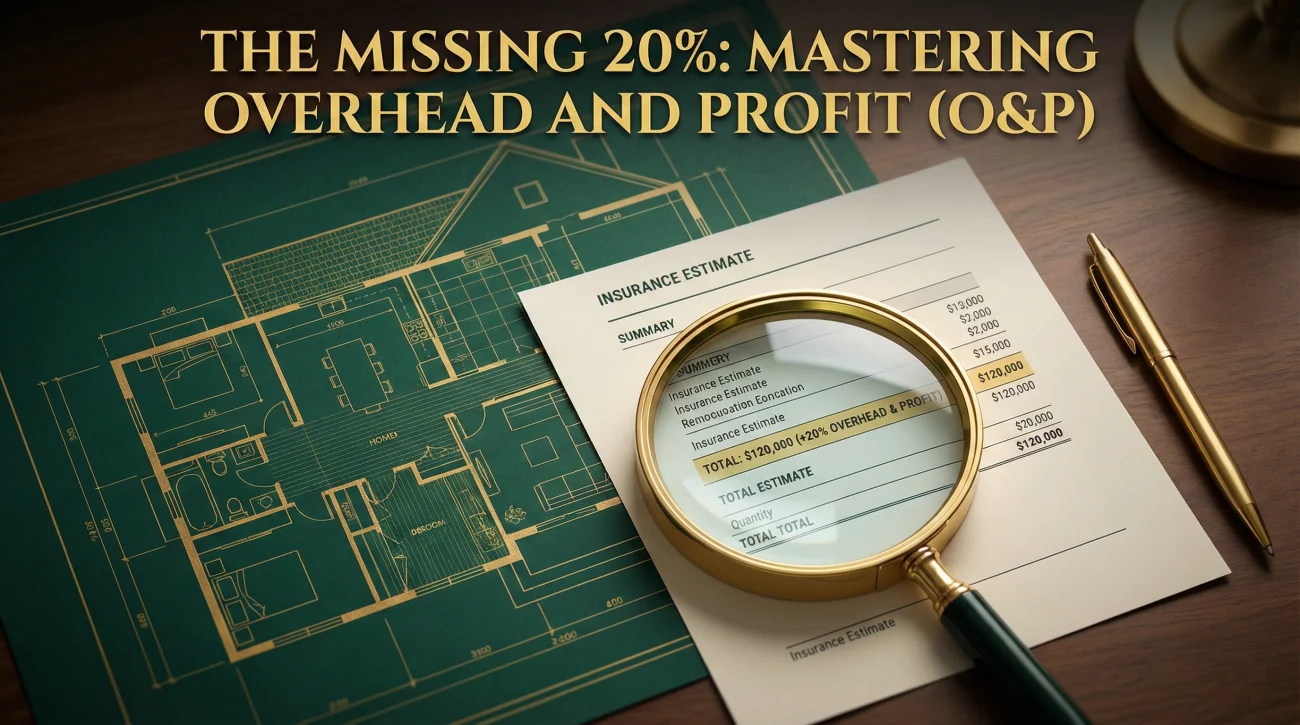
A low insurance payout is rarely an argument over the price of wood or drywall. It is often a debate about “missing scope”: the specific, necessary background tasks that were left off the paperwork. Estimating software is built on macros and templates that frequently overlook details like detaching appliances, floor protection, and debris removal. Instead … Read more

Insurance Follow-Up Cadence: How Often to Call Your Adjuster

How Often To Follow Up On Insurance Claim

Calling your adjuster every single day does not automatically speed up your claim. In many workflows, excessive “status check” calls can actually slow down the process because they often require the adjuster to stop working to log the conversation. Adjusters work on a “diary” system. Your follow-up cadence should align with the realistic timeframes of … Read more

First Notice of Loss (FNOL): The Facts You Need for Your Insurance Claim

First Notice Of Loss Checklist

Your First Notice of Loss (FNOL) sets the factual foundation for your entire claim. Do not guess the cause of the damage. Use your discovery time and stick strictly to observable facts. Gather your core details before dialing: Date of discovery, exact location of damage, current property status, and a list of affected rooms. Understand … Read more

Room-by-Room Damage Documentation: Don’t Miss Hidden Issues

How To Document Damage Room By Room

Follow the “Clockwise Rule” to create a continuous visual map of the room so reviewers never have to guess where they are looking. Use the “Wide, Medium, Tight” sequence for every point of damage to provide necessary context, scale, and material detail. Track the vertical path of water or smoke from the floor up to … Read more

Don’t Say “Flood” Unless You Mean It: The Rising vs. Falling Rule Adjusters Use

Don’t Say “Flood” Unless You Mean It: The Rising vs. Falling Rule Adjusters Use

The Big Risk: Standard homeowners policies almost never cover “flood.” If you use the wrong word to describe your loss, you might accidentally trigger a denial. The Cost is Real: FEMA data shows the average NFIP claim payment has exceeded $66,000. This is not a minor repair issue; it is a financial disaster if coverage … Read more

What I Learned After Years in Claims Ops: Most Claims Don’t Stall Because of Damage

Most Claims Don’t Stall Because Of Damage

It is Just Math: Industry data indicates roughly 1 in 20 insured homes files a claim annually. Filing a claim is a standard financial interaction, not a rare tragedy. Structure Beats Volume: Sending 100 random photos often slows you down. Adjusters need photos labeled by room and trade to process payments quickly. The “Review-Ready” Standard: … Read more

Why Home Insurance Claims Are Harder Now (And How to Adapt)

Home-insurance-claim

The Market Has Changed: With premiums rising 24% (CFA) and climate risks increasing (Treasury), insurers are tightening their review processes. Scrutiny is High: The era of getting the “benefit of the doubt” on vague claims is over. Files must be precise to pass through the system. Evidence Over Story: Shift your mindset from telling a … Read more

Documents Needed for a Renters Insurance Claim: Proof Without Overexplaining

Documents Needed For Renters Insurance Claim

The Receipt Myth: You typically do not need a pristine paper receipt for every item to get paid. We use an “Evidence Tier” system to find alternative proofs that adjusters often accept. The “Item Map” Strategy: One of the fastest ways to get paid is to number your items and match your proof files (e.g., … Read more