Mapping Insurance Scope: Linking Line Items to Specific Rooms
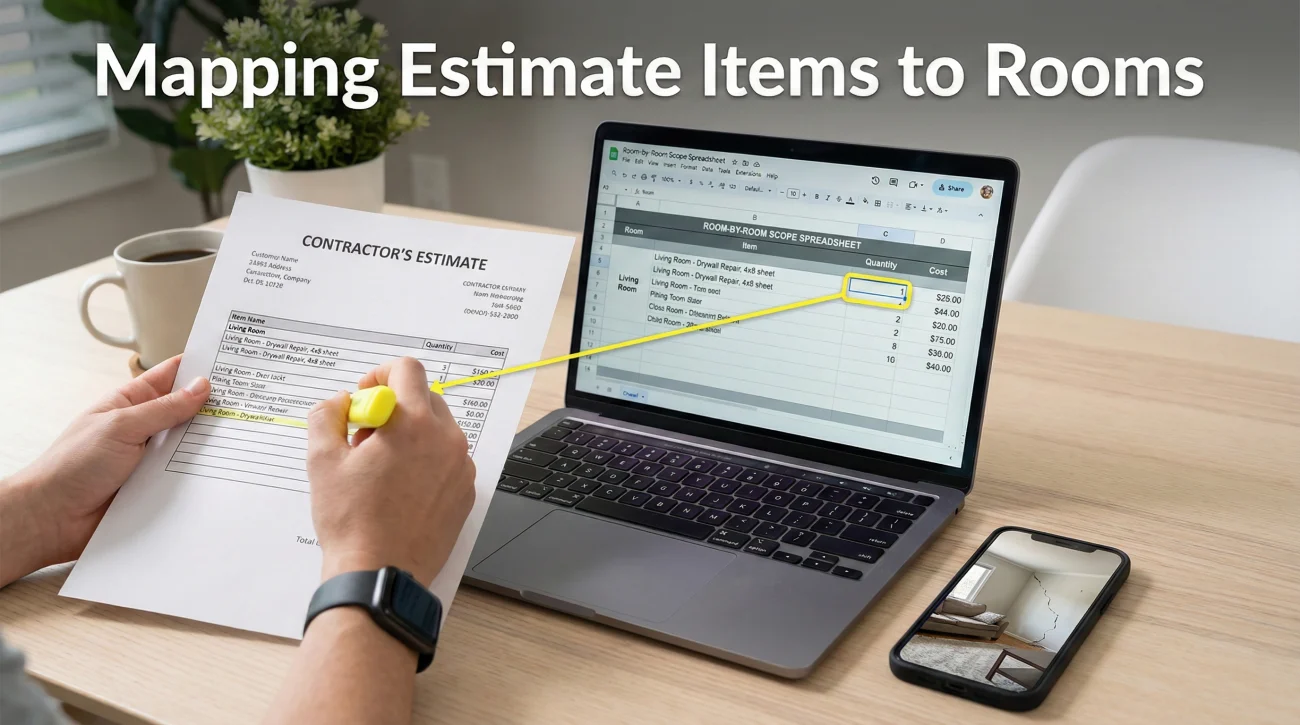
Map Estimate Line Items To Rooms

Estimates are often organized in ways that make it difficult to spot missing items, grouping disparate repairs into confusing categories. A room-by-room map translates the insurer’s line items into a physical checklist, making missing scope visually obvious. By explicitly linking missing line items to existing photo IDs, you remove the guesswork for the desk adjuster … Read more
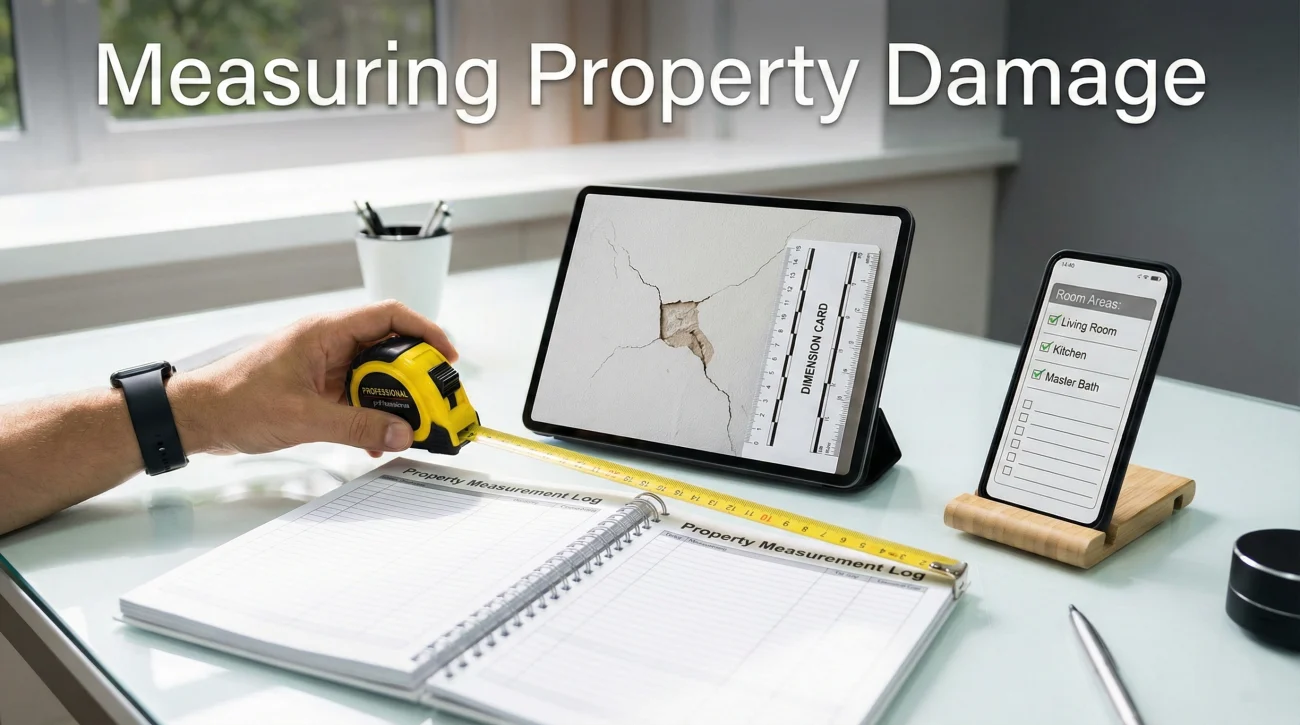
Measuring Property Damage: Recording Dimensions for Insurance Claims

Damage Measurements For Insurance Claim

Photographs alone cannot provide the exact scale needed to build an accurate claim estimate. You must record specific dimensions of the affected areas. Always record two sets of numbers: the overall dimensions of the entire room and the specific measurements of the damaged area itself. Use the “link-to-photo” rule by physically placing a piece of … Read more

Mitigation Logs: Tracking Dry-Out Costs for Insurance Reimbursement

Mitigation Receipts And Logs Insurance Claim

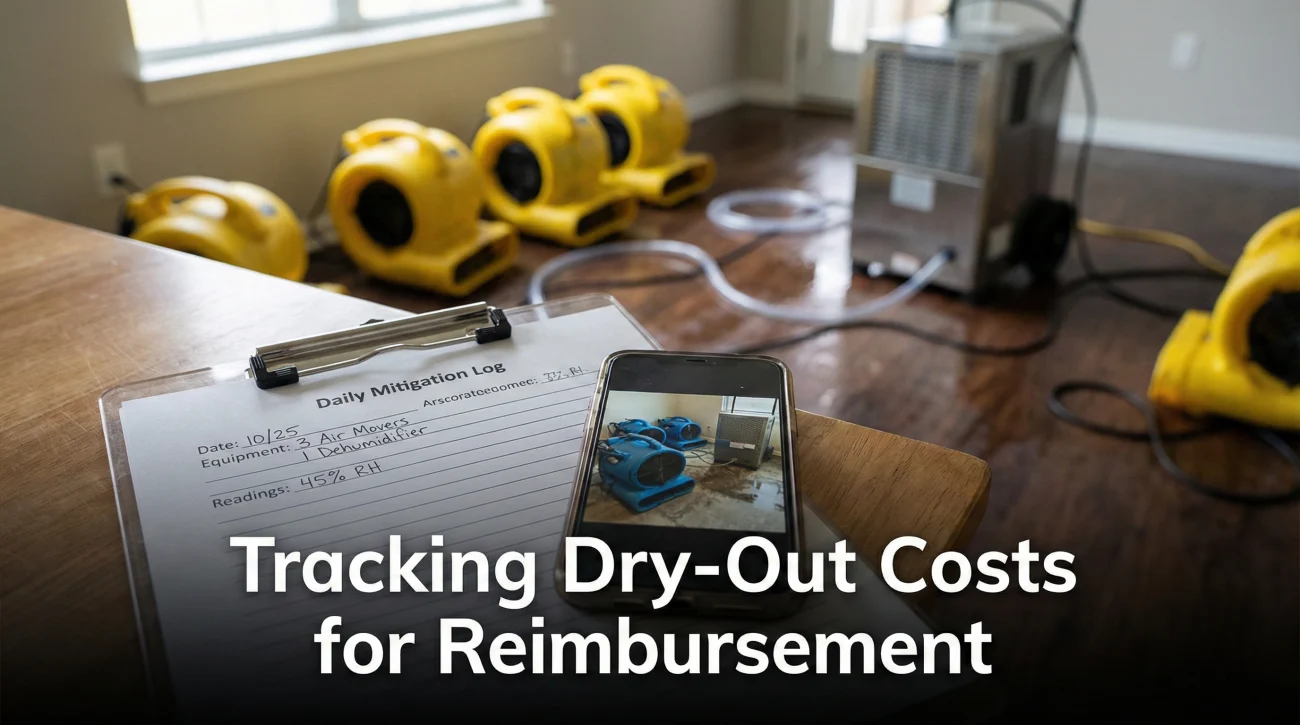
Never accept a lump-sum invoice for emergency dry-out or mitigation; always request a daily breakdown of equipment, labor hours, and materials used. Keep your own daily log of how many fans and dehumidifiers are running in your home and take photos of them as secondary proof. Keep mitigation expenses strictly separated from permanent repair quotes … Read more

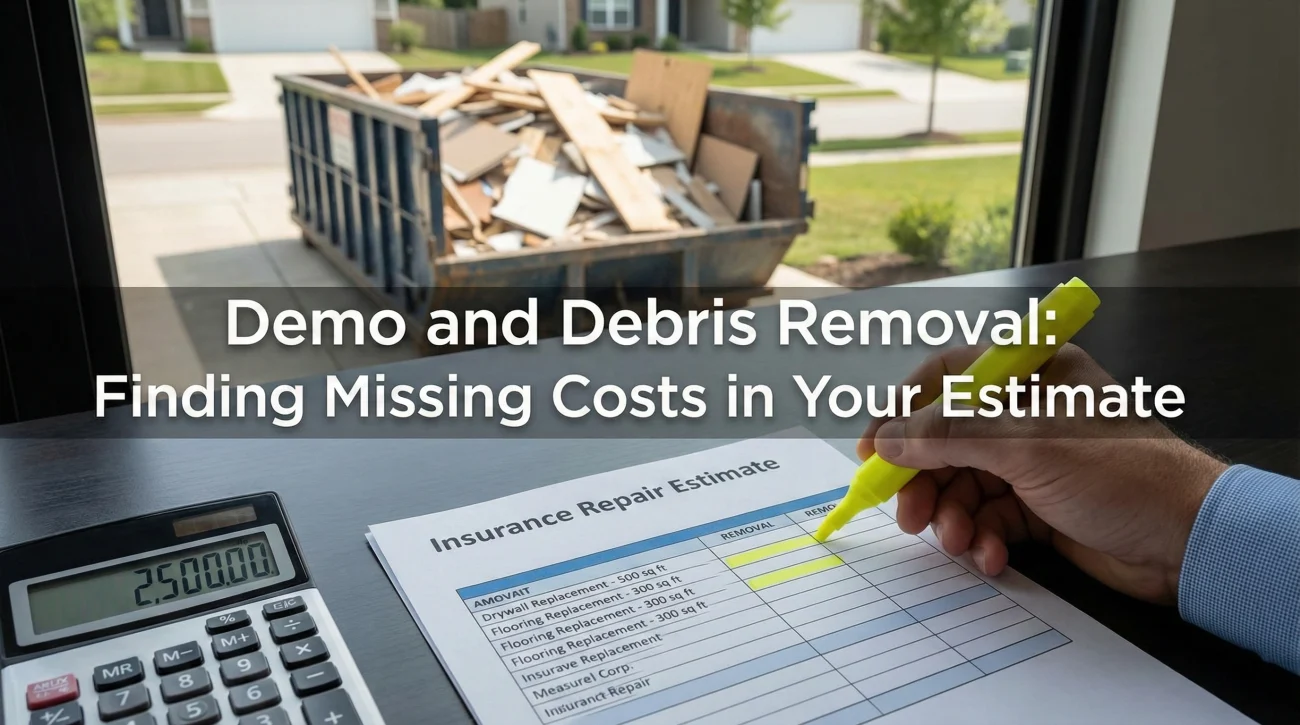
Demo and Debris Removal: Finding Missing Costs in Your Estimate

Demo Disposal Debris Removal Missing Estimate

Demo and debris removal are frequently missing from initial estimates because estimating software often separates “remove” from “replace” line items. A complete scope must account for tear out labor, bagging materials, carrying debris, dumpster rental fees, and final dump weight tickets. Keep a structured gap log to track exactly which rooms are missing demolition costs … Read more

Insurance Inventory Cover Sheet: Summarize Your Loss in One Page

Inventory Index For Insurance Claim

The Goal: Turn a chaotic list of items into a navigable map for your adjuster. The Method: Create a “Cover Sheet” or “Master Index” that links every item to its specific photo and receipt file. The Result: Faster review times because you remove the guesswork of “which receipt goes with which sofa.” The Difference Between … Read more

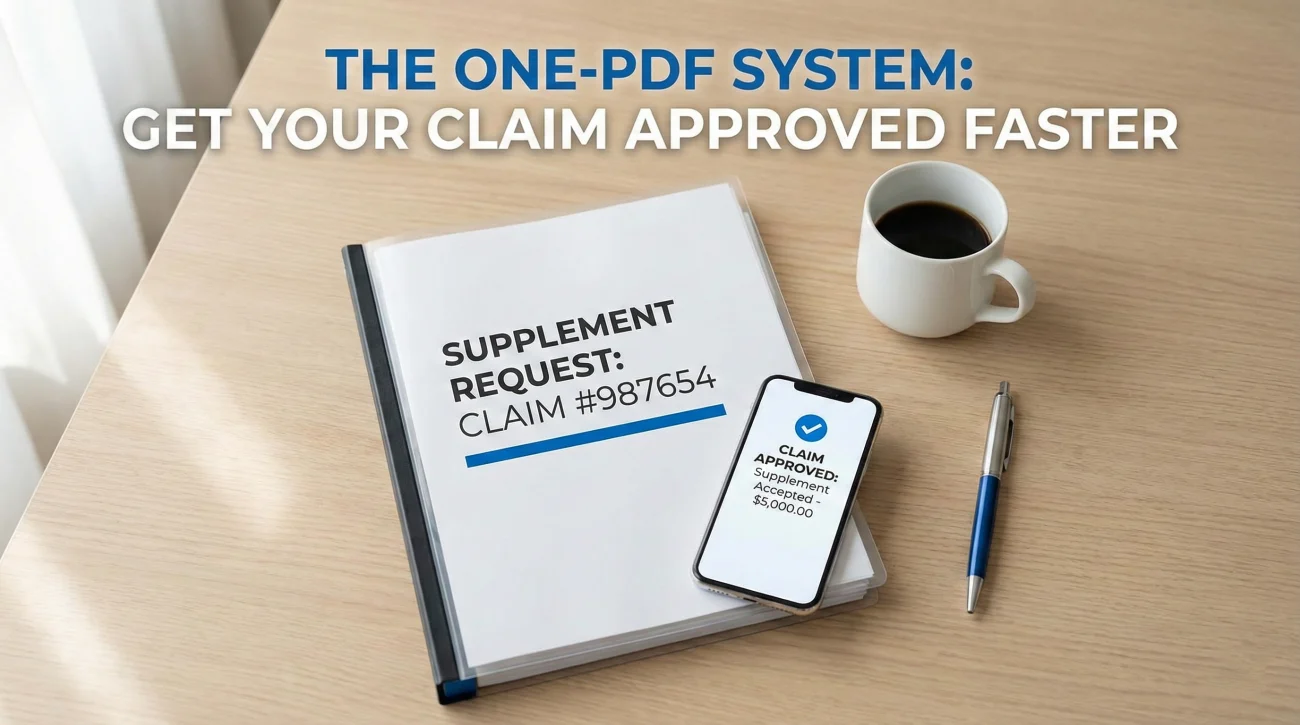
Supplement Packet: The One-PDF System That Gets Your Claim Approved Faster

Supplement Packet For Insurance Claim

The Reality: I review dozens of files a day. If I have to hunt for your invoice or guess what a photo shows, I usually put the file aside for “later.” The Fix: Build a “Supplement Packet” that connects the dots for me. It should answer “What, Why, and How Much” in under 60 seconds. … Read more

Insurance Claim Call Notes: What to Write Down on Day 1

Claim Call Notes What To Write Down

The “Golden 5”: I never consider a call complete until I have the Date, Time, Rep Name, Claim Number, and Next Step written down. The “Scrap Paper” Risk: Information written on envelopes gets thrown away. I urge you to use one dedicated notebook or digital note from minute one. Verbal is not valid: If a … Read more

Proof of Submission for Claim Documents: What to Save So You Can Prove It Later

Proof Of Insurance Claim Submission

The Reality: In the world of insurance, “I sent it” means nothing. “I can prove you received it” is the only thing that stops the clock. The Method: Never trust a green “Upload Complete” checkmark. Always take a screenshot that captures your computer’s system clock. The Strategy: Treat your “Proof of Submission” folder as your … Read more

Why Home Insurance Claims Are Harder Now (And How to Adapt)

Home-insurance-claim

The Market Has Changed: With premiums rising 24% (CFA) and climate risks increasing (Treasury), insurers are tightening their review processes. Scrutiny is High: The era of getting the “benefit of the doubt” on vague claims is over. Files must be precise to pass through the system. Evidence Over Story: Shift your mindset from telling a … Read more