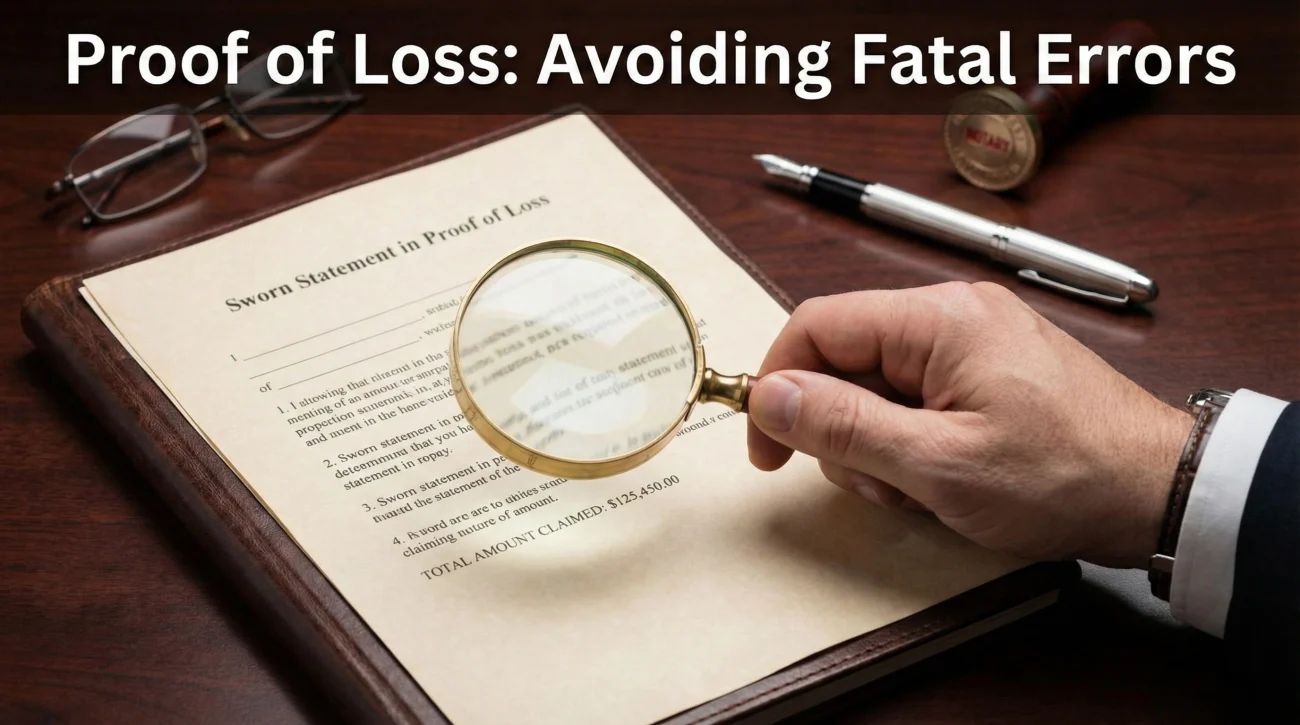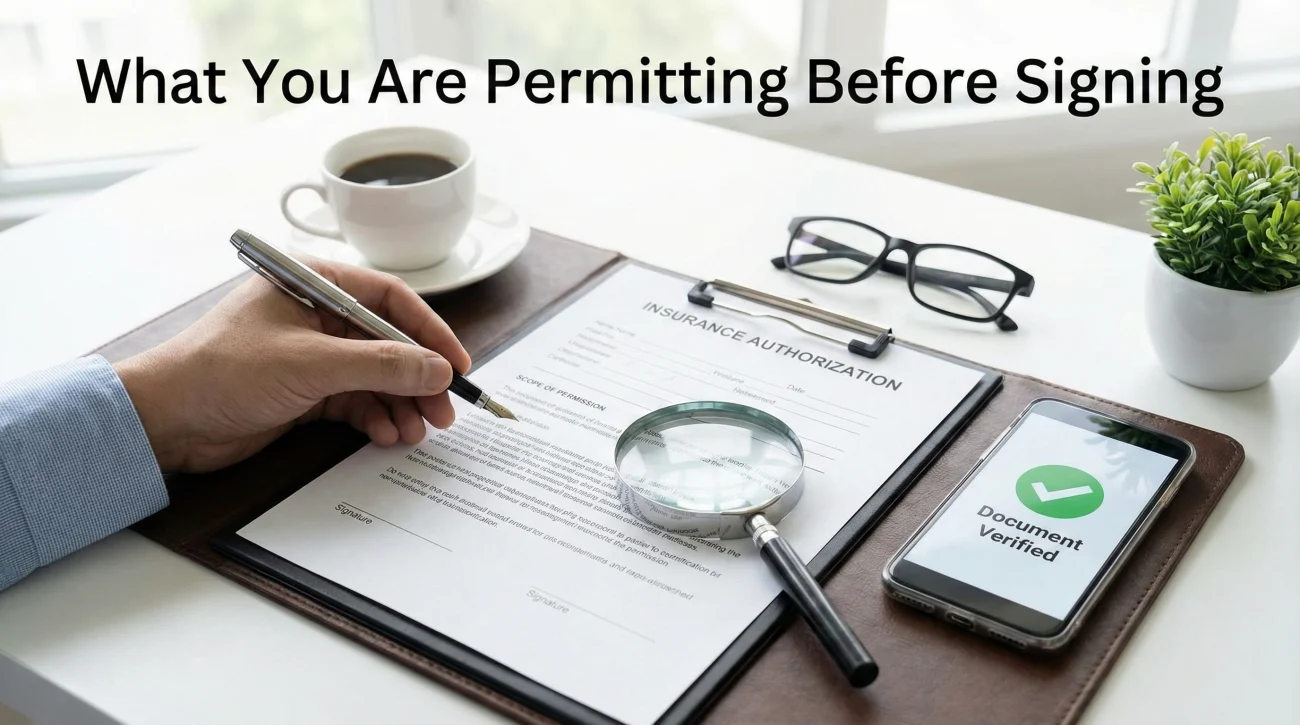
Claim Authorization Forms: What You Are Permitting Before Signing

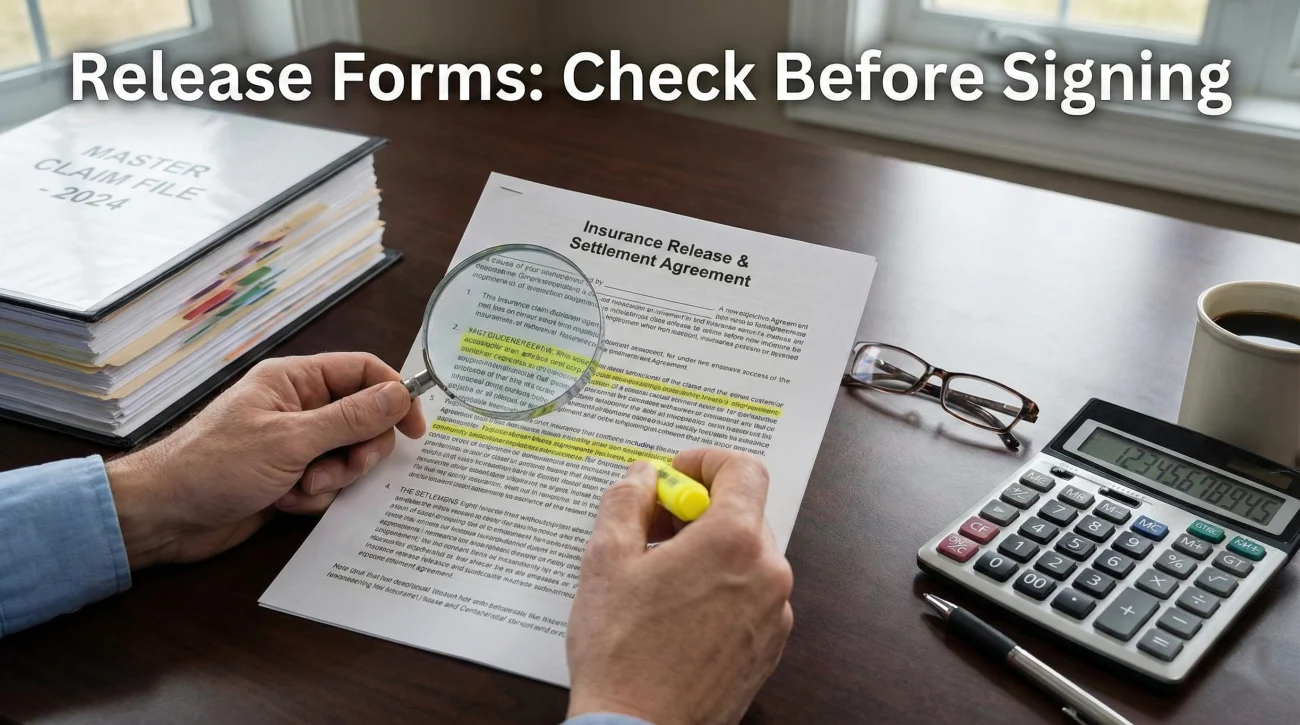
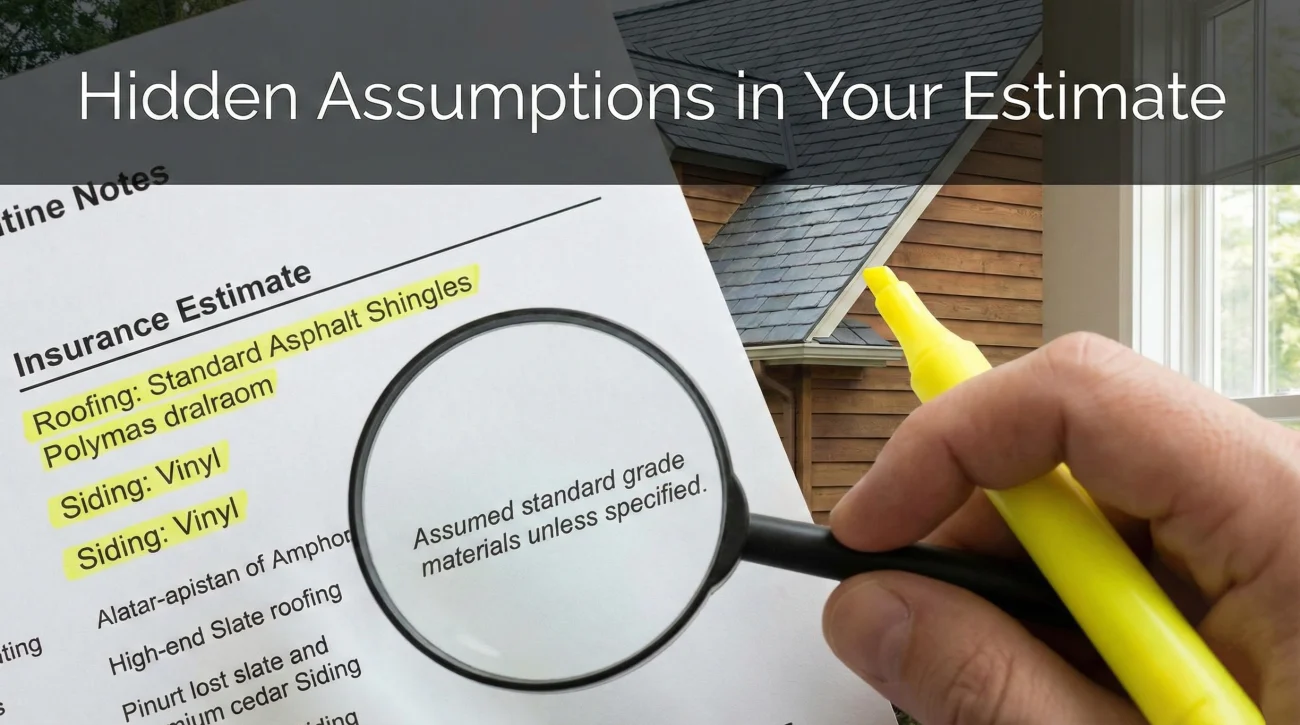
Insurance Claim Authorization Form

Never sign a blank or open-ended form; always verify the specific scope, dates, and parties listed before providing your signature. Keep a digital, timestamped copy of every signed document you submit to maintain a flawless paper trail. Use a simple written confirmation loop to force the receiving party to acknowledge they have your document and … Read more

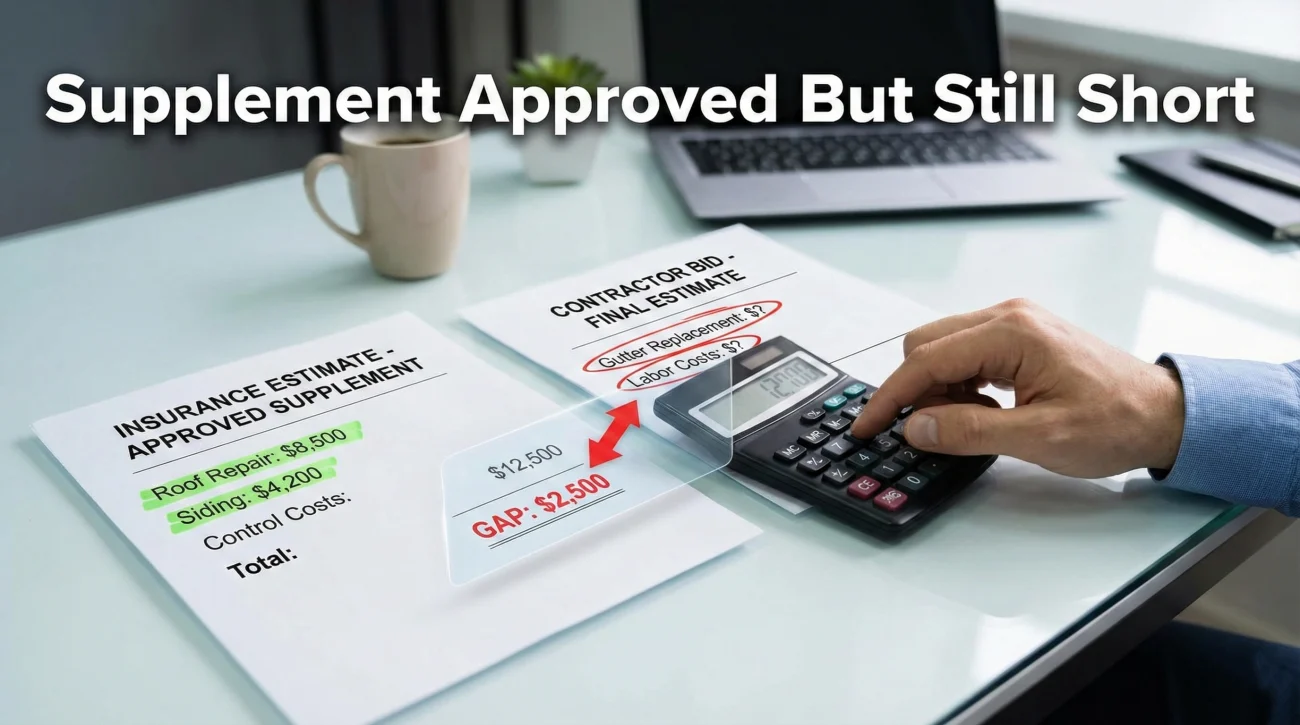
Supplement Approved But Still Short: Do a Second Gap Check

Supplement Approved But Still Short

Do not panic if your first supplement is only partially approved; partial approvals are a completely normal part of the claims operation workflow. Stop looking at the bottom line total. You must compare the revised insurance estimate against your contractor’s bid line by line. Follow the 30-minute after-revision workflow to isolate a specific “Delta Scope … Read more

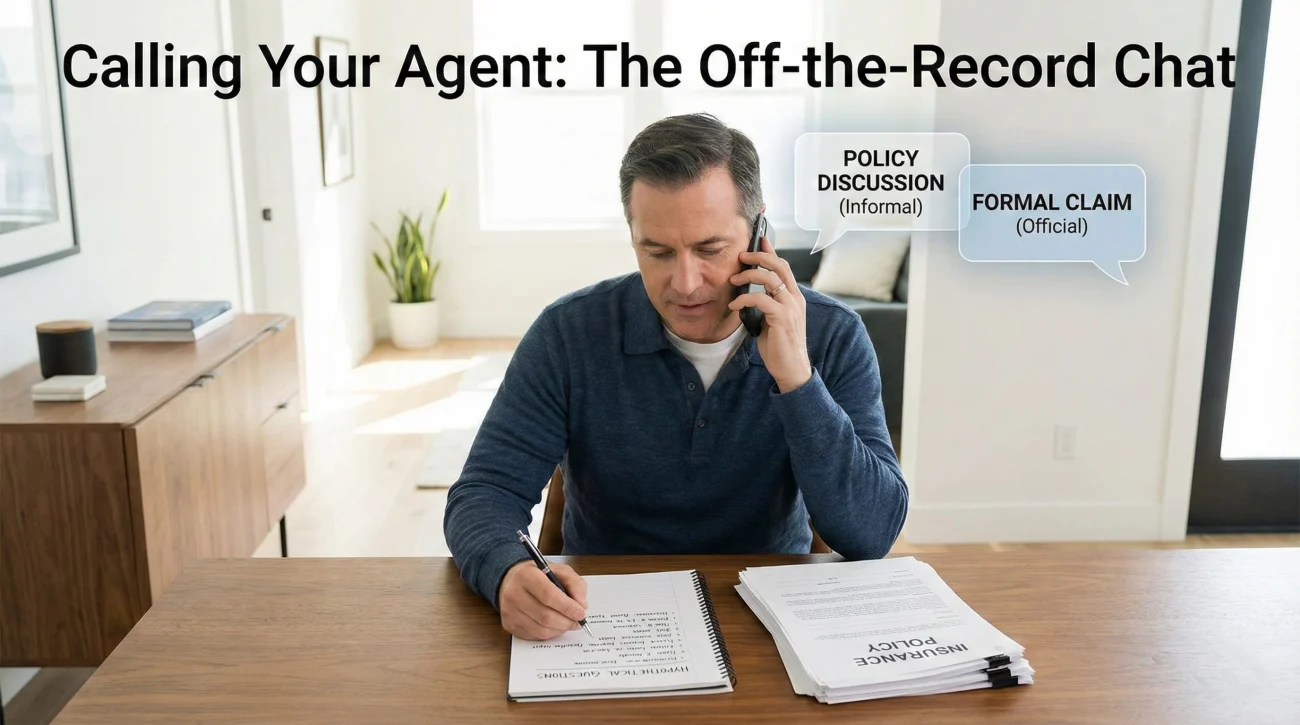
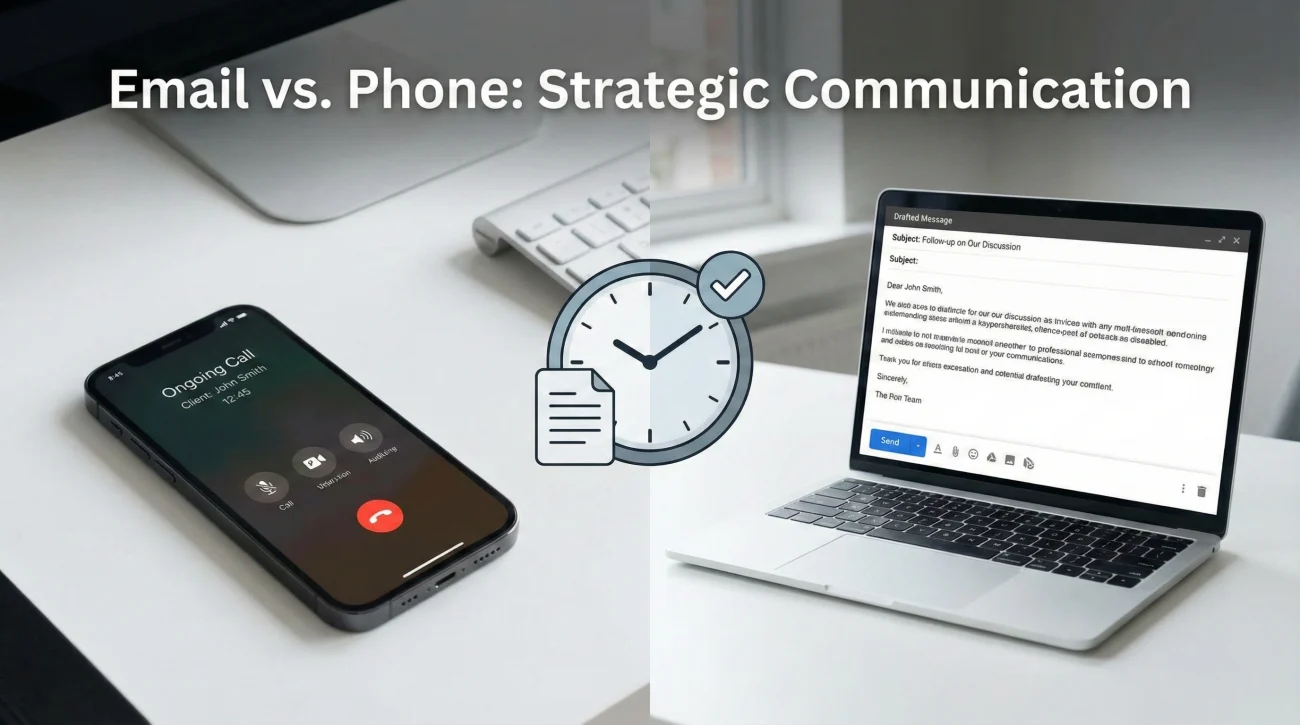
Email vs. Phone: The Best Way to Contact Insurance Adjusters by Stage

Email Vs Phone Follow Up Insurance Claim

The channel you choose for follow-up must match the specific stage of your claim. Phone calls are best for breaking operational stalls and gathering immediate context, but they create zero paper trail. Emails are essential for formalizing agreements, submitting documents, and creating a verifiable timeline. During the initial intake phase, rely on the phone for … Read more

Choose a Communication Channel: Portal, Email, or Phone (Intake Decision)

Choose Communication Channel For Insurance Claim

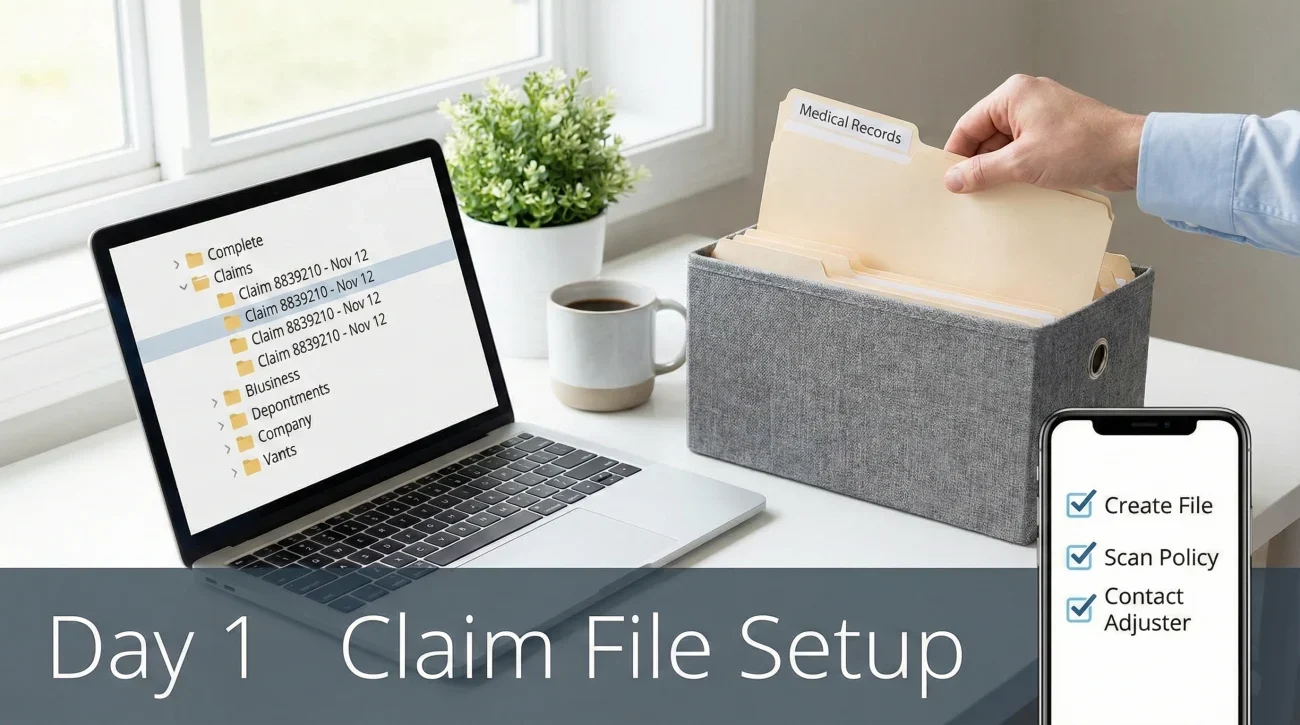
Choosing one primary communication channel on Day 1 prevents your claim file from becoming fragmented across different systems. Phone calls are best for urgent intake, but they create zero paper trail unless you summarize them in writing immediately. Email is the operational standard for creating a verifiable, easily searchable history of your entire claim. Insurance … Read more

Temporary Repair Evidence: Documenting Fixes Before Inspection

Temporary Repairs Documentation For Insurance Claim

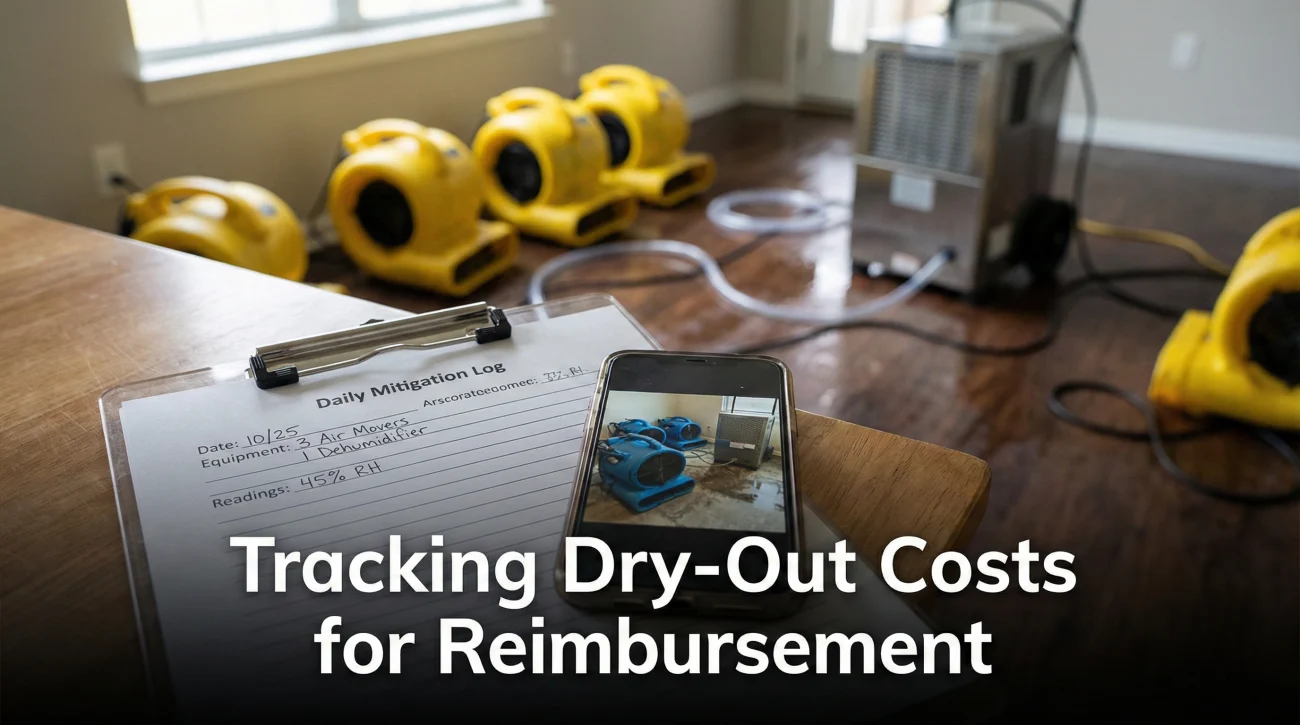
Document the damage completely before placing any tarp, board, or temporary patch. Keep the broken parts (like burst valves or shattered pipes) in a safe place instead of throwing them away. Log every expense and keep itemized receipts for materials used during emergency mitigation. Communicate your temporary repairs to the reviewer in writing, clearly stating … Read more

Insurance Claim Forms Explained: A Plain English Guide to Paperwork

Insurance Claim Forms Explained

Insurance claim forms are simply data collection tools used to categorize your loss and move your file to the next desk. Triage your paperwork immediately: identify strict deadlines, flag forms needing a notary, and request editable versions of complex tables. Never sign a form with blank sections. Always draw a line through inapplicable fields or … Read more

Partial Claim Denial? How to Read the Exclusions and Respond

Insurance Claim Partially Denied Explanation

A partial denial is simply an operational boundary line; it means the carrier is separating the sudden damage they will pay for from the maintenance issue they will not. Stop arguing about fairness and start dissecting the letter to find the exact “Because” clause that triggers the exclusion. Respond by asking the adjuster to explicitly … Read more

Stop Playing Phone Tag: How to Get a Scheduled Call Back Window

Get A Scheduled Callback Adjuster

Desk adjusters block their days into specific tasks; unannounced calls usually go straight to voicemail because they are not actively taking inbound calls. Shift your strategy by requesting dedicated 15-minute callback windows with a strict, single-item agenda so the adjuster can prepare. Provide two specific time blocks with exact time zones via the online portal … Read more

No Insurance Adjuster Assigned? How to Check If You’re Ignored

No Adjuster Assigned Yet

A missing adjuster name on day one or two is usually a routing delay, not an intentional freeze on your file. Before following up, verify your First Notice of Loss (FNOL) confirmation receipt and check your spam folders for portal registration links. Use a polite, factual script to ask the general claims line for your … Read more

Insurance Claim Receipts: Using Faded or Partial Slips as Proof

Receipt Quality For Insurance Claim

Faded, ripped, or partial receipts can still be used as valid proof if you contextualize them correctly before submitting. It is best to avoid writing over the faded ink of an original receipt. Write your notes on a separate piece of paper and scan them together instead. A credit card statement alone is not a … Read more

ALE Documentation: Organizing Receipts for Temporary Housing Claims

Ale Receipts And Documentation

Building a sustainable ALE (Additional Living Expenses) routine – like capturing receipts daily and logging them weekly – helps prevent your file from overwhelming the reviewer. A best practice is to write the context directly on the physical receipt (who, what, and why) before taking a photo. Avoid sending a disorganized pile of loose images. … Read more

Demo and Debris Removal: Finding Missing Costs in Your Estimate

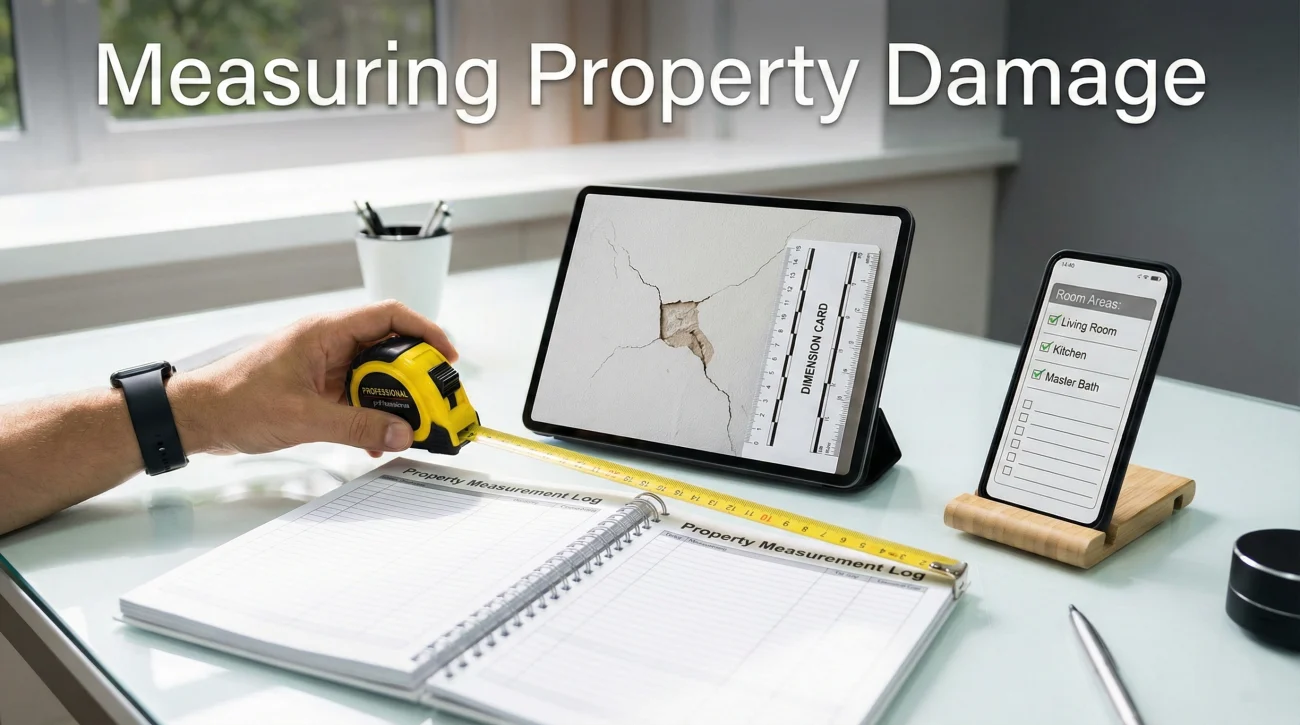
Demo Disposal Debris Removal Missing Estimate

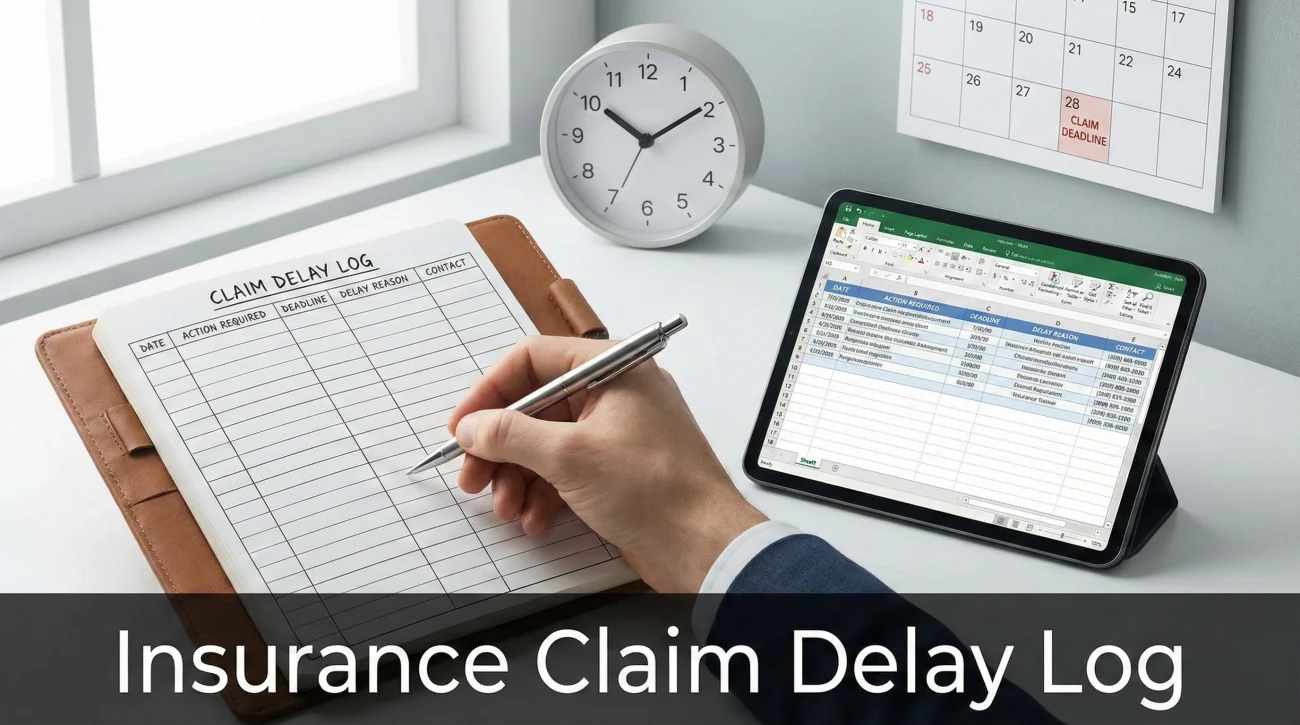
Demo and debris removal are frequently missing from initial estimates because estimating software often separates “remove” from “replace” line items. A complete scope must account for tear out labor, bagging materials, carrying debris, dumpster rental fees, and final dump weight tickets. Keep a structured gap log to track exactly which rooms are missing demolition costs … Read more

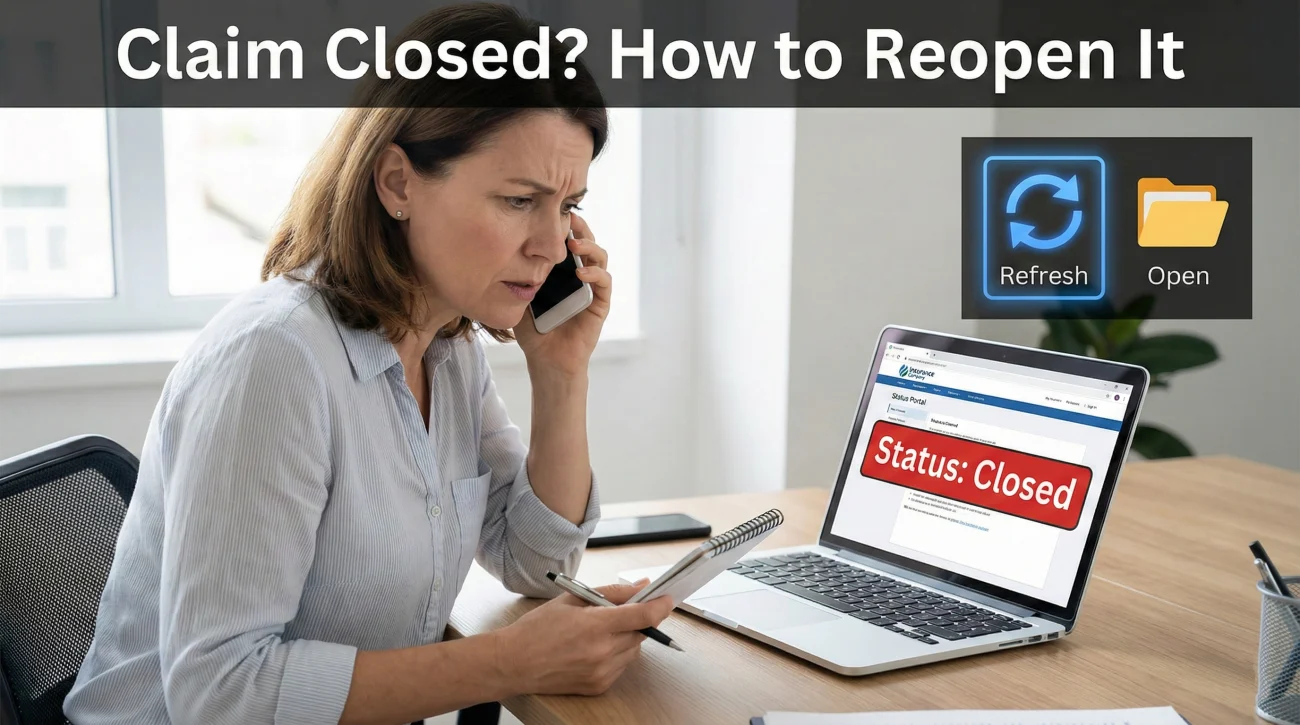
Insurance Portal Statuses: What “Open,” “Closed,” and “Pending” Mean

Claim Portal Status Meanings

Online portal statuses are trailing indicators built for internal company metrics, not real-time customer updates. A “Closed” status does not automatically mean your claim was denied, it often simply means an initial phase was completed or an initial payment was triggered. Instead of refreshing the portal, use specific, neutral questions to find out exactly who … Read more

Correcting Insurance Claim Errors: Wrong Date, Address, or Policy

Correcting Insurance Claim Errors

Data entry errors happen frequently during the initial claim intake call. Do not panic; treat it as an administrative task, not an immediate denial. The three most critical errors to fix immediately are the Date of Loss, the Property Address, and the Policy Number. Never rely on a phone call alone to fix a mistake. … Read more

Proof of Ownership Examples: Strong vs. Weak Evidence for Claims

Proof Of Ownership Examples For Insurance Claim

When you lose your belongings in a disaster, proving that you actually owned them is often one of the most stressful parts of the recovery process. I frequently see adjusters categorize proof into three levels. Strong evidence includes itemized receipts or appraisals. Medium evidence includes personal photos showing the item in your home. Weak evidence … Read more

Mortgage Company & Insurance Checks: Documents to Release Your Money

Mortgage Company Insurance Check Documents

If you have a mortgage, you’ll likely see your lender’s name right next to yours on the insurance check. This means you won’t be able to just deposit it at your local branch. Instead of your regular customer service line, you’ll need to work with the lender’s “Loss Draft Department” and send them a specific … Read more